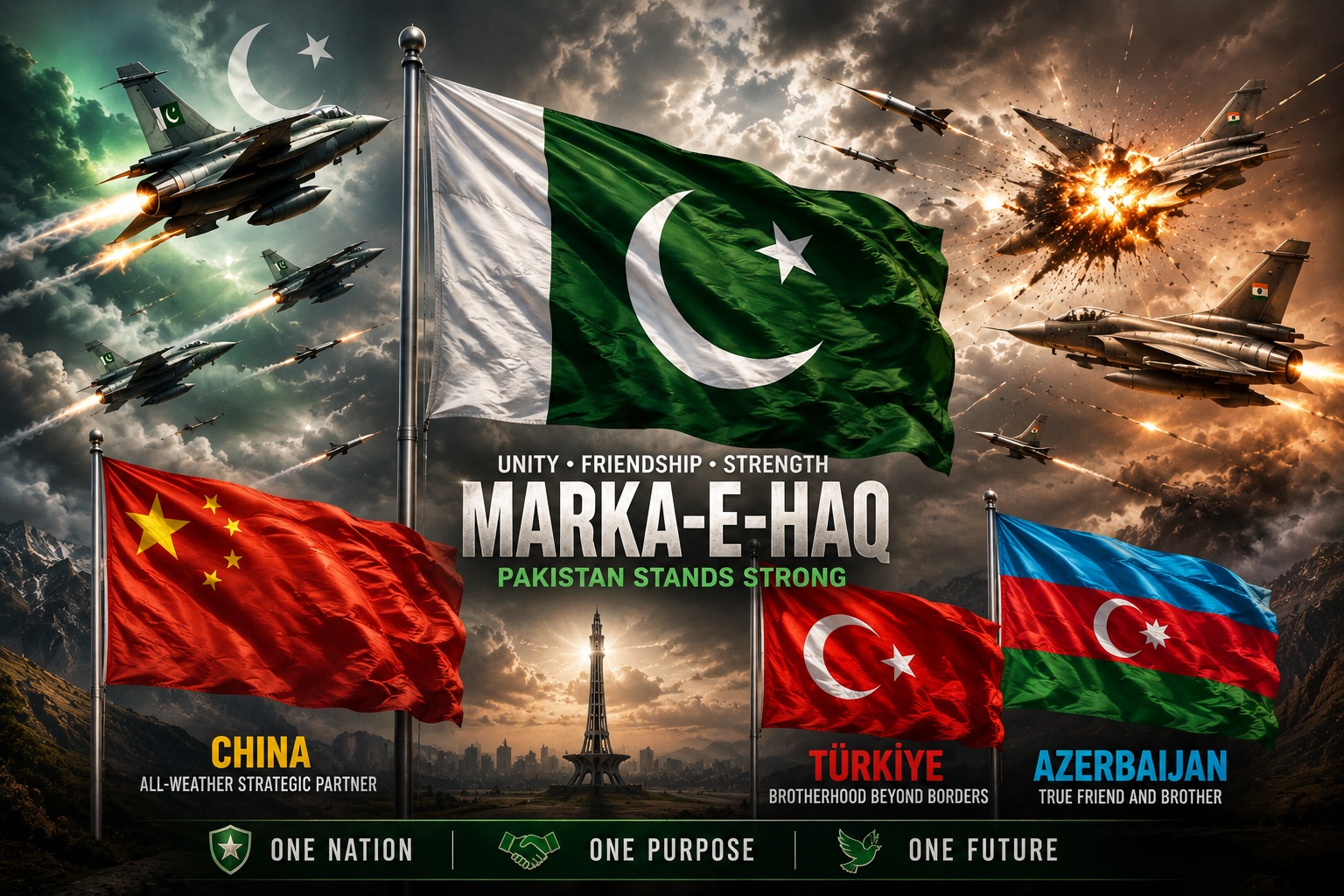
The first anniversary of Marka-e-Haq is not only a reminder of Pakistan’s military and diplomatic resilience, but also a reflection of the strong international friendships that stood beside the country during one of the most tense periods in recent regional history. As Pakistan responded to aggression during Operation Bunyanum Marsoos, several friendly nations openly expressed solidarity with Islamabad on diplomatic and strategic fronts.
Among the countries that strongly supported Pakistan during Marka-e-Haq, three nations stood out prominently — China, Türkiye, and Azerbaijan. Their statements, diplomatic engagements, media narratives, and strategic cooperation demonstrated that Pakistan’s global partnerships are based on trust, mutual respect, and long-term strategic interests.
Today, the anniversary of Marka-e-Haq also serves as an opportunity to acknowledge and appreciate the positive role played by these friendly nations during a challenging time for regional peace and stability.
Marka-e-Haq and Pakistan’s Diplomatic Strength
The events surrounding Marka-e-Haq highlighted not only Pakistan’s military preparedness but also its diplomatic maturity. While tensions escalated in South Asia, Pakistan focused on presenting its position responsibly before the international community.
At the same time, friendly countries used diplomatic channels, official statements, and international forums to support peace, dialogue, and Pakistan’s sovereignty. This support carried significant geopolitical importance because it demonstrated that Pakistan was not isolated internationally.
Moreover, the solidarity shown during Marka-e-Haq strengthened public confidence within Pakistan and reinforced strategic partnerships that have developed over decades.
China’s Support During Marka-e-Haq
China’s Diplomatic Backing for Pakistan
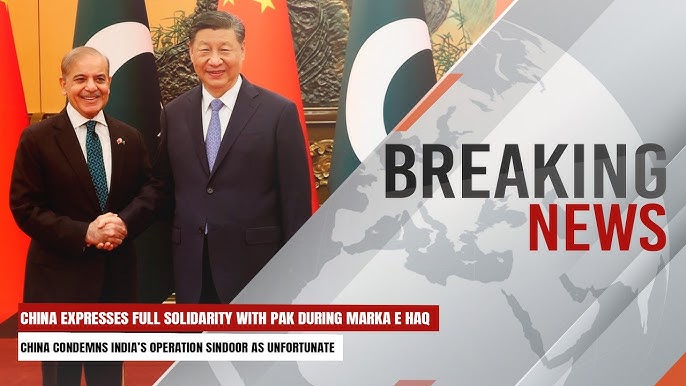
China has historically remained Pakistan’s closest strategic partner, often described as an “Iron Brother.” During Marka-e-Haq, China once again emphasized restraint, regional stability, and respect for sovereignty.
Chinese officials repeatedly called for dialogue and de-escalation while maintaining close diplomatic communication with Pakistan. Beijing’s statements reflected support for Pakistan’s territorial integrity and regional peace.
China’s role was particularly important because of its position as:
- A permanent member of the UN Security Council
- Pakistan’s largest defense and infrastructure partner
- A leading global economic power
The importance of Chinese support during Marka-e-Haq also reflected the broader strength of the China-Pakistan strategic relationship.
Economic and Strategic Partnership with Pakistan
China has invested more than $60 billion under the China-Pakistan Economic Corridor (CPEC), making Pakistan a key partner in the Belt and Road Initiative.
During Marka-e-Haq, analysts observed that Chinese diplomatic engagement helped reduce international uncertainty regarding regional escalation. The strong bilateral relationship between Islamabad and Beijing also reinforced investor confidence in Pakistan.
Important areas of Pakistan-China cooperation include:
- Defense technology
- Infrastructure development
- Energy projects
- Trade and investment
- Regional security coordination
Additionally, joint defense projects between the two countries have significantly enhanced Pakistan’s defense capabilities over the years.
Türkiye’s Powerful Support for Marka-e-Haq
Türkiye’s Historical Friendship with Pakistan
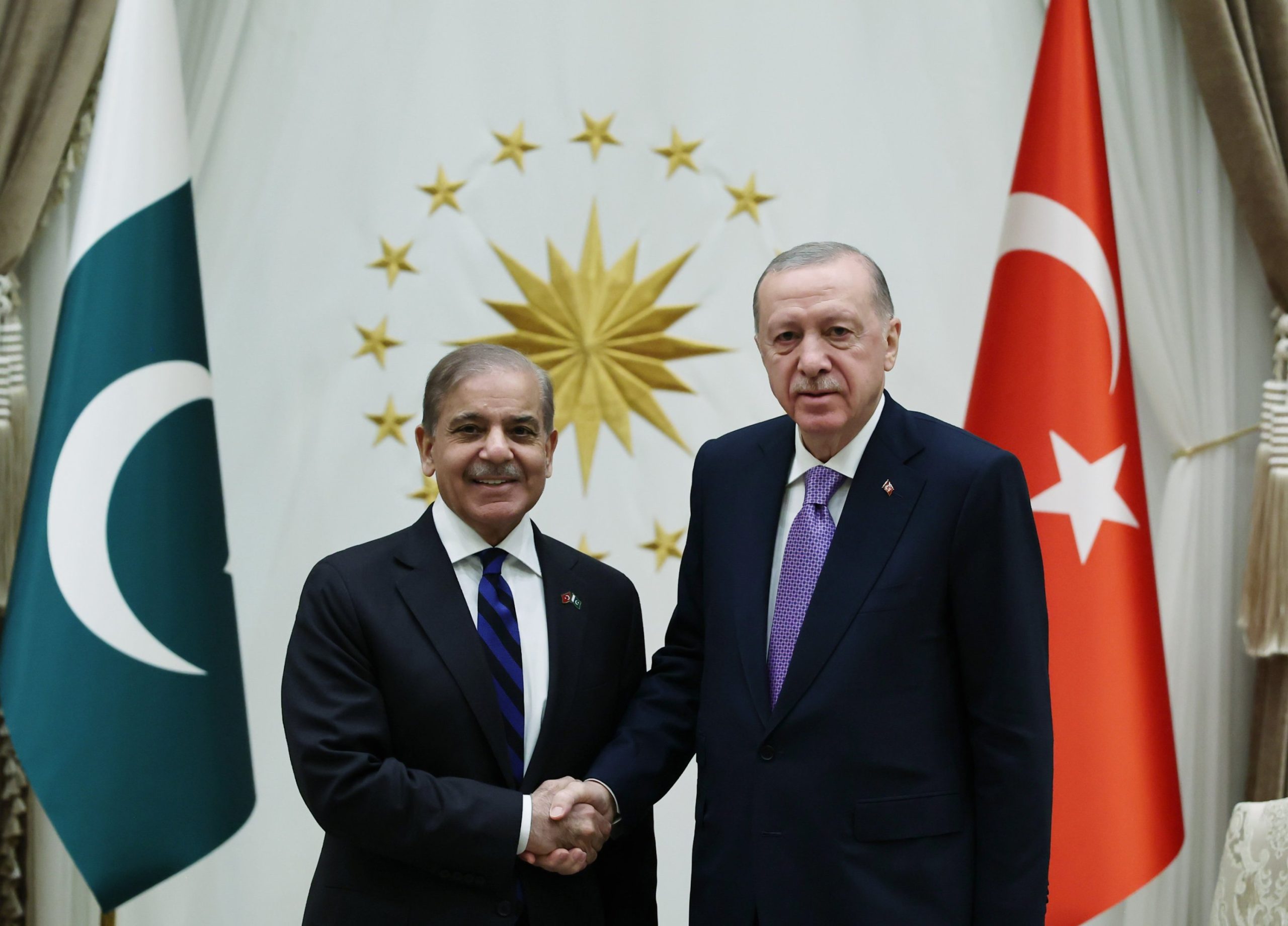
Türkiye has consistently maintained deep emotional, political, and strategic ties with Pakistan. During Marka-e-Haq, Turkish leadership openly expressed solidarity with the Pakistani people.
Turkish media coverage, diplomatic messaging, and public discourse largely reflected support for Pakistan’s position and emphasized regional peace through dialogue.
The Pakistan-Türkiye relationship is rooted in:
- Shared historical bonds
- Defense cooperation
- Cultural affinity
- Public goodwill
- Strategic collaboration
Furthermore, public sentiment in both countries remained strongly supportive of each other throughout the crisis.
Defense Cooperation Between Pakistan and Türkiye
Türkiye has become one of Pakistan’s most important defense partners in recent years. Cooperation includes:
- MILGEM warship projects
- Drone technology cooperation
- Military training exchanges
- Aerospace collaboration
During Marka-e-Haq, defense analysts noted that Pakistan’s growing defense diversification and technological partnerships strengthened the country’s strategic confidence.
Türkiye’s consistent diplomatic support also reinforced the idea that Pakistan enjoys reliable partnerships beyond traditional regional alignments.
Azerbaijan’s Strong Message of Brotherhood
Azerbaijan’s Diplomatic Support for Pakistan
Azerbaijan also emerged as one of Pakistan’s strongest diplomatic supporters during Marka-e-Haq. Azerbaijani officials and public figures expressed solidarity with Pakistan and emphasized peaceful conflict resolution.
The relationship between Pakistan and Azerbaijan has grown significantly over the past decade, especially in defense, trade, and energy cooperation.
Pakistan was among the first countries to strongly support Azerbaijan during the Nagorno-Karabakh conflict. Consequently, Azerbaijan’s support during Marka-e-Haq reflected mutual trust and diplomatic reciprocity.
Growing Pakistan-Azerbaijan Partnership
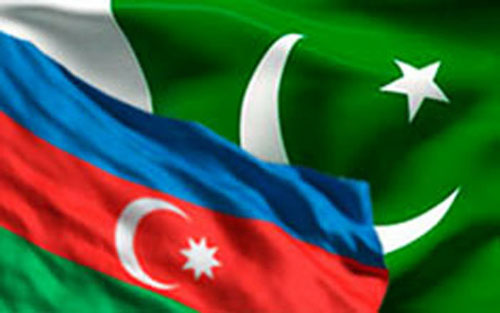
In recent years, Pakistan and Azerbaijan have expanded cooperation in:
- Defense production
- Energy investments
- Tourism
- Trade
- Regional connectivity
The visible support shown during Marka-e-Haq strengthened people-to-people ties between the two nations and highlighted the importance of strategic alliances in modern geopolitics.
Moreover, Azerbaijani solidarity received significant appreciation from Pakistani social media users, journalists, and policymakers.
Why Marka-e-Haq Strengthened Pakistan’s Global Position
The international response to Marka-e-Haq demonstrated that Pakistan’s foreign policy relationships remain strategically relevant. Support from China, Türkiye, and Azerbaijan carried diplomatic significance because all three countries are influential in their respective regions.
This support also showed:
- Pakistan’s growing geopolitical importance
- The success of long-term diplomacy
- Strong defense partnerships
- International recognition of Pakistan’s strategic role
Importantly, the solidarity shown by these countries helped counter hostile narratives and strengthened Pakistan’s diplomatic confidence internationally.
The Role of Public Diplomacy During Marka-e-Haq
Social media, digital diplomacy, and international media narratives played a major role during Marka-e-Haq. Public support from citizens of China, Türkiye, and Azerbaijan created a positive atmosphere online for Pakistan.
Trending hashtags, diplomatic exchanges, and public statements demonstrated how modern international relations are increasingly influenced by digital public opinion.
Furthermore, overseas Pakistani communities appreciated the solidarity shown by friendly nations during the crisis.
Lessons from Marka-e-Haq
The first anniversary of Marka-e-Haq highlights several important lessons for Pakistan:
- Strategic alliances matter deeply
- Diplomacy is as important as military preparedness
- Regional peace requires responsible leadership
- International partnerships strengthen national confidence
At the same time, the events reinforced Pakistan’s commitment to peaceful coexistence while maintaining readiness to defend its sovereignty.
Conclusion
The first anniversary of Marka-e-Haq is not only a tribute to Pakistan’s resilience but also a recognition of the loyal friends who stood beside the country during difficult times. China, Türkiye, and Azerbaijan demonstrated diplomatic solidarity, strategic trust, and brotherhood when Pakistan needed international support.
Their positive role strengthened Pakistan’s diplomatic position, encouraged national morale, and reinforced the importance of long-term strategic partnerships.
As Pakistan moves forward, these relationships will continue to shape regional cooperation, economic development, and collective security in an increasingly complex global environment.
The spirit of Marka-e-Haq therefore remains not just a symbol of national strength, but also a reminder that true friendships are tested during challenging times.

Mr. Sabahuddin Qazi is a senior journalist, analyst and researcher based in Islamabad.