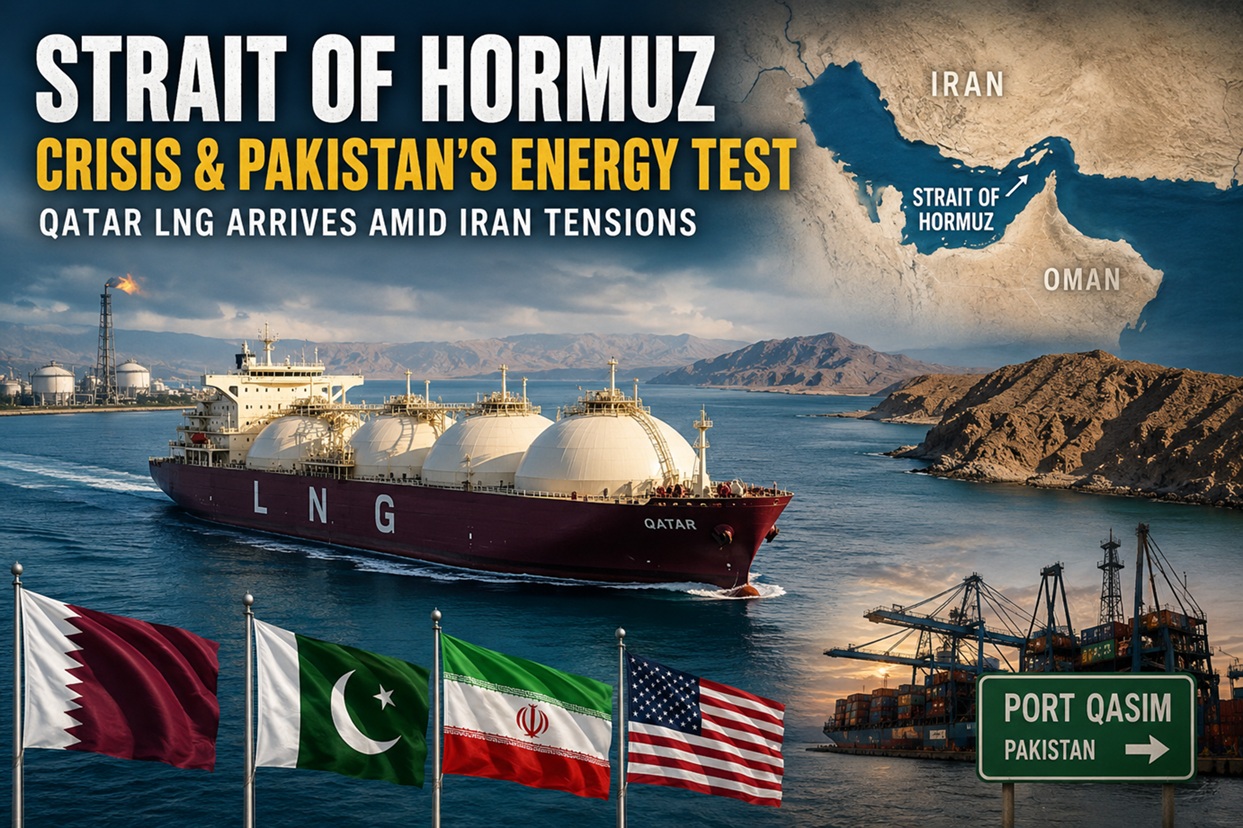
The Strait of Hormuz has once again become the center of global attention as rising tensions between Iran, the United States, and Israel threaten one of the world’s most important energy corridors. In a major development, a Qatari LNG tanker safely crossed the Strait of Hormuz and headed toward Pakistan’s Port Qasim, marking the first such voyage since the recent regional conflict began.
For Pakistan, this event is more than just a shipping update. It represents hope for energy stability during a period of electricity blackouts, economic pressure, and global uncertainty. Meanwhile, for the international community, the Strait of Hormuz crisis highlights how geopolitical conflicts can rapidly disrupt oil and gas supplies worldwide.
Qatar resumes LNG shipments to Pakistan
The Strait of Hormuz remains a critical global energy route as Qatar resumed LNG shipments to Pakistan amid Iran-related regional tensions. The successful passage of a Qatari tanker signals temporary stability, but ongoing conflict risks continue to threaten global oil markets, Pakistan’s energy security, and Middle East peace efforts.
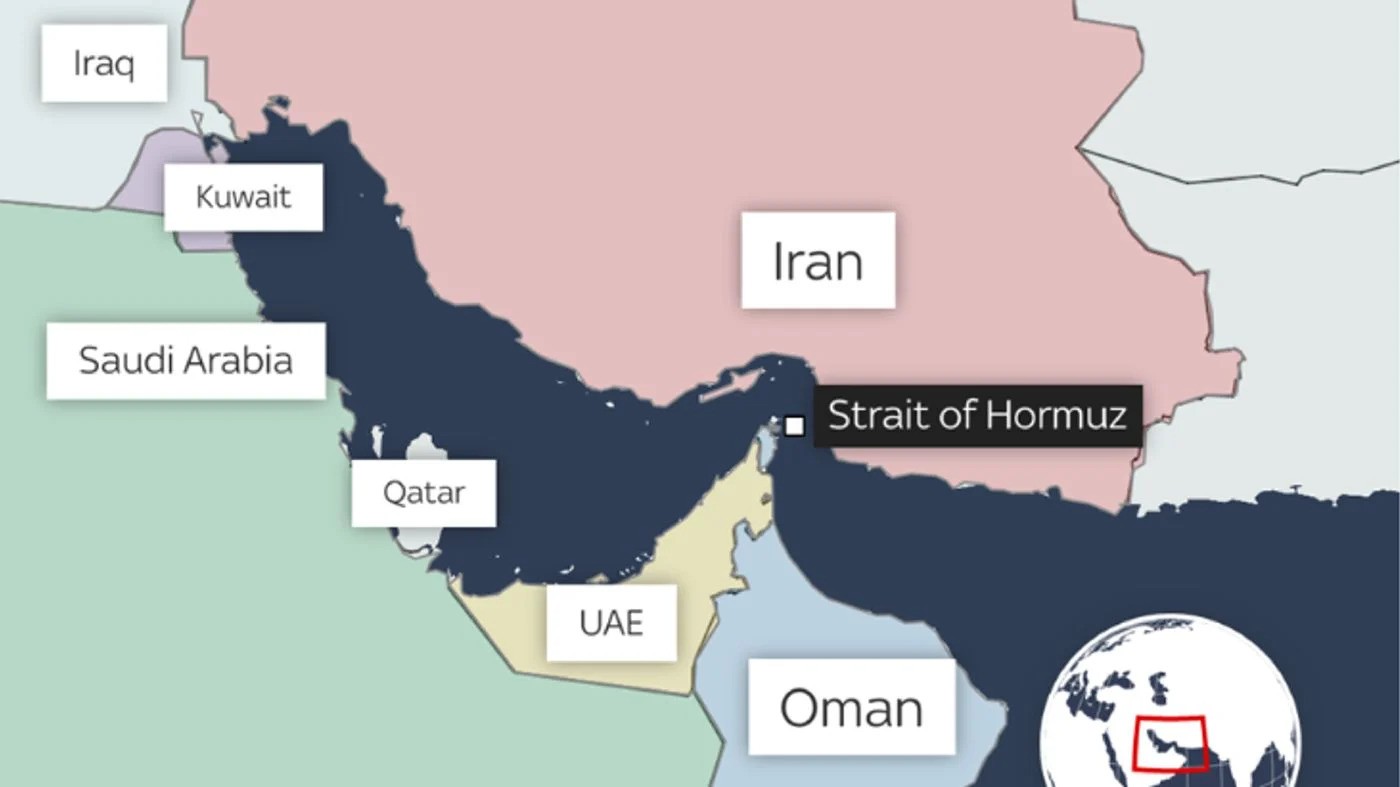
According to media reports, a tanker carrying liquefied natural gas from Qatar appears to have transited the Strait of Hormuz, marking the country’s first export out of the region since the Iran war began. Reportedly, the ship appears to have navigated the Tehran-approved northern route that hugs the Iranian coast through the strait, the data showed.
Why the Strait of Hormuz Matters to the World
The Strait of Hormuz is one of the most strategically important waterways on Earth. Located between Iran and Oman, this narrow sea passage handles nearly 20% of global oil and gas transportation.
Before the recent war escalation, thousands of energy shipments crossed the strait every year. However, military tensions in the Gulf region have transformed the area into a geopolitical flashpoint.
Key Importance of the Strait of Hormuz
- Connects Gulf oil producers to global markets
- Critical for LNG exports from Qatar
- Supports Asian energy-importing countries like Pakistan, China, Japan, and India
- Influences global fuel prices and inflation
- Impacts international shipping and insurance costs
Any disruption in the Strait of Hormuz immediately affects global energy markets and economic stability.
Qatar LNG Tanker Reaches Pakistan
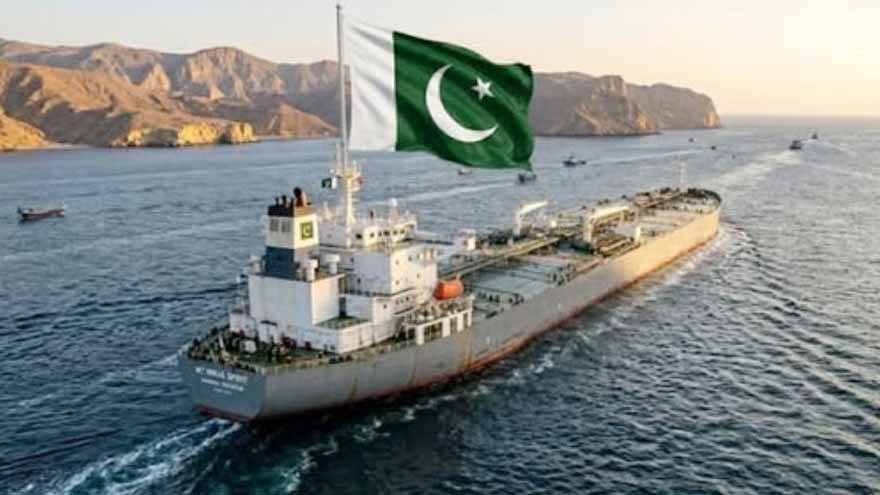
According to shipping analytics firm Kpler, the QatarEnergy-operated LNG vessel “Al Kharsaah” successfully crossed the Strait of Hormuz and proceeded toward Pakistan’s Port Qasim in Karachi.
This marks the first Qatari LNG shipment through the strait since the war began on February 28 between Iran-backed regional forces and the United States-Israel alliance.
The development is especially important for Pakistan because recent power outages were reportedly linked to disruptions in gas imports.
Why This Shipment Matters for Pakistan
Pakistan heavily depends on imported LNG to meet its energy needs. Therefore, uninterrupted gas supply is essential for:
- Electricity generation
- Industrial production
- Household energy consumption
- Economic stability
Energy experts believe the successful tanker passage may temporarily ease concerns over Pakistan’s fuel shortages.
Iran’s Role in Allowing LNG Transit
Reports suggest Iran allowed the LNG tanker passage as part of confidence-building efforts with both Qatar and Pakistan. Both countries have attempted to play a diplomatic and mediatory role during the ongoing regional conflict.
However, Tehran has also issued warnings to countries complying with American sanctions against Iran. Iranian officials stated that vessels linked to “hostile states” could face difficulties while crossing the Strait of Hormuz.
This dual approach reflects Iran’s complex regional strategy:
Iran’s Strategic Objectives
Diplomatic Signaling
Iran aims to show flexibility toward neutral or friendly nations.
Pressure on Western Allies
At the same time, Tehran seeks leverage against countries supporting US sanctions.
Control Over Regional Shipping
Iran continues to assert influence over Gulf maritime routes.
As a result, the Strait of Hormuz remains highly unpredictable.
Pakistan’s Energy Security Under Pressure
Pakistan’s economy has already faced severe inflation, rising electricity costs, and industrial slowdowns. Therefore, any prolonged disruption in LNG imports could worsen the national energy crisis.
Challenges Facing Pakistan
- Dependence on imported LNG
- Weak foreign exchange reserves
- Rising global fuel prices
- Power generation shortages
- Industrial production decline
Moreover, experts warn that prolonged instability in the Strait of Hormuz may increase shipping insurance costs, which could ultimately raise electricity prices for Pakistani consumers.
Trump Administration Pushes for Ceasefire
US President Donald Trump is reportedly pressuring regional actors to move toward a formal ceasefire before his upcoming visit to China.
According to reports, Washington is still waiting for Tehran’s response regarding proposals aimed at ending the war before broader negotiations begin over Iran’s nuclear program.
French broadcaster LCI journalist Margot Haddad claimed Trump expects a response from Iran very soon.
Why the US Wants Quick Stability
The ongoing conflict has triggered fears of:
- Global recession
- Rising oil prices
- Shipping disruptions
- Inflation spikes
- Energy shortages
Consequently, Washington appears eager to stabilize the Strait of Hormuz before the crisis further damages the global economy.
Rising Military Tensions in the Gulf
Although a temporary ceasefire reduced violence for nearly 48 hours, tensions remain extremely high across the Gulf region.
Recent reports include:
- Drone activity detected in Kuwaiti airspace
- Renewed attacks near the UAE
- Clashes between Iranian forces and American vessels
- Increased naval monitoring in Gulf waters
Iranian lawmakers are also reportedly drafting legislation that could restrict ships from “enemy states” from crossing the Strait of Hormuz.
If implemented, such measures could dramatically escalate global energy uncertainty.
Qatar’s Growing Diplomatic Importance
Qatar has emerged as a key diplomatic player during the crisis. As one of the world’s leading LNG exporters, Doha maintains relations with both Western powers and regional actors, including Iran.
US Secretary of State Marco Rubio recently met Qatar’s Prime Minister in Miami to discuss regional stability and security cooperation.
Although official statements avoided direct references to Iran, analysts believe Qatar continues to act as a behind-the-scenes mediator.
Qatar’s Strategic Position
- Major LNG exporter
- Strong ties with Western allies
- Working relations with Iran
- Important regional mediator
- Key supplier for Asian markets
This balancing act strengthens Qatar’s diplomatic relevance during the Strait of Hormuz crisis.
Global Economic Risks from the Strait of Hormuz Crisis
The global economy remains deeply vulnerable to disruptions in Gulf shipping lanes.
Potential Global Impacts
Higher Oil Prices
Any closure or restriction in the Strait of Hormuz could rapidly increase crude oil prices.
Inflation Pressure
Rising energy costs would affect food, transportation, and manufacturing worldwide.
Shipping Delays
Insurance premiums and maritime security costs may increase sharply.
Stock Market Volatility
Investors closely monitor Gulf tensions because energy markets influence global financial stability.
For developing countries like Pakistan, these risks are particularly dangerous due to economic vulnerabilities and import dependence.
Can Diplomacy Prevent a Bigger Crisis?
Despite military tensions, diplomatic efforts continue behind the scenes. Pakistan, Qatar, and several Gulf countries are reportedly encouraging de-escalation.
Analysts believe diplomacy remains the only realistic path to avoid:
- Regional war expansion
- Oil supply collapse
- Global recession
- Humanitarian disaster
However, much depends on future negotiations between Iran and the United States.
Conclusion
The latest developments surrounding the Strait of Hormuz reveal how deeply interconnected global energy markets and regional geopolitics have become. Qatar’s LNG shipment to Pakistan offers temporary relief for Islamabad’s energy sector, but the broader situation remains fragile.
For Pakistan, ensuring uninterrupted energy imports is now both an economic and national security priority. Meanwhile, the world continues to watch whether diplomacy can prevent another major Middle East escalation. As tensions evolve, the Strait of Hormuz will remain one of the most important geopolitical flashpoints shaping global energy security in 2026.