The United States has intensified diplomatic efforts to encourage European countries to adopt stricter Ebola travel measures as concerns grow over the spread of the virus from Central Africa amid increased international travel linked to the 2026 FIFA World Cup. American officials say coordinated action is necessary to reduce the risk of cross-border transmission and protect public health.
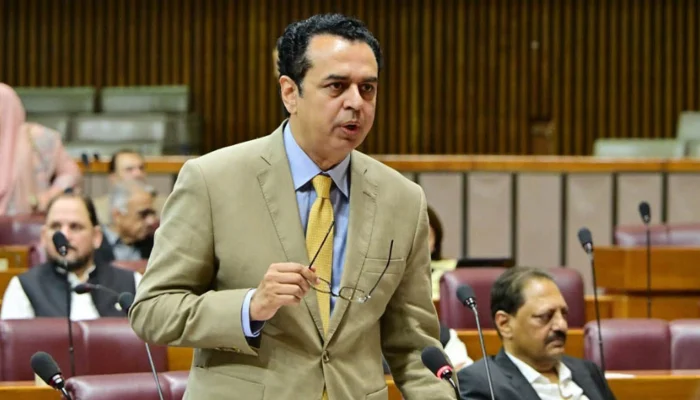
According to the U.S. State Department, Secretary of State Marco Rubio held discussions with European Commission President Ursula von der Leyen regarding joint efforts to address the ongoing Ebola outbreak in the Democratic Republic of Congo and Uganda and implementation of strict Ebola travel measures . The talks focused on improving cooperation between Washington and European governments on containment strategies and travel-related precautions.
Ebola Travel Measures: US Calls for Intense Restrictions
The Trump administration has urged European governments to tighten restrictions on travelers arriving from Ebola-affected regions in Africa. U.S. officials argue that enhanced screening and precautionary measures are necessary due to the large volume of transatlantic travel between Europe and North America.
A senior U.S. official, speaking on condition of anonymity, said Washington believes the international community should increase its efforts to contain the outbreak. The official indicated that inadequate measures could eventually affect travel policies between Europe and the United States.
 The concern comes as millions of football fans are expected to travel during the FIFA World Cup, which is being hosted across the United States, Canada and Mexico. U.S. authorities view the tournament as a potential challenge for disease-control efforts due to increased global mobility.
Washington has already implemented restrictions that prevent non-citizens who have recently visited affected countries from entering the United States. Additional screening and quarantine procedures are being developed for American citizens returning from outbreak zones.
Ebola Outbreak Raises Global Health Concerns
The current Ebola outbreak has become one of the most significant public health emergencies in recent years. The World Health Organization (WHO) has launched a six-month response plan valued at approximately $518 million to support containment efforts in affected countries and strengthen preparedness across neighboring states.
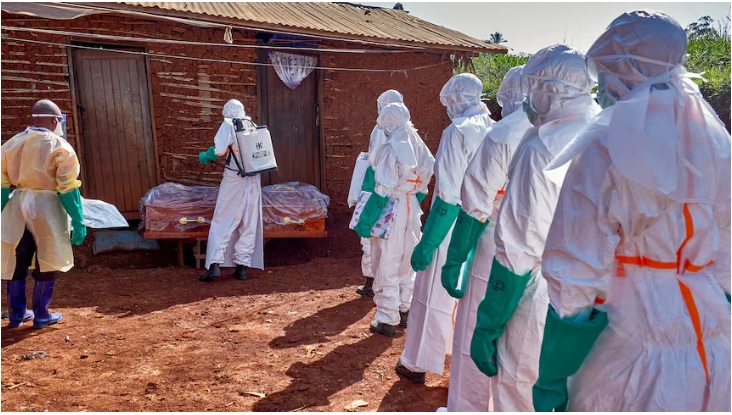
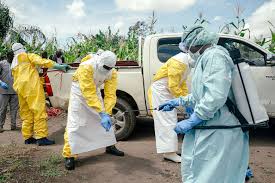 Health authorities have reported hundreds of confirmed infections and dozens of deaths in the Democratic Republic of Congo and Uganda. Experts have warned that delayed detection, logistical challenges, and security concerns have complicated response efforts.
The outbreak involves the Bundibugyo strain of Ebola, a variant for which no fully approved vaccine or treatment currently exists. Public health officials say this increases the importance of strict Ebola travel measures like surveillance, border screening, community engagement, and rapid case identification.
Medical workers operating in affected regions have also reported shortages of protective equipment and other critical supplies. Humanitarian agencies continue to seek additional international support to strengthen frontline response capabilities.
International Response and Funding Efforts
The United States says it has provided more than $200 million in assistance to support efforts aimed at controlling the outbreak in Congo and Uganda. American officials maintain that their response has been swift and that health-monitoring programs remain active through broader partnerships with African countries.
Meanwhile, the European Union recently announced additional funding for Ebola travel measures i.e. Ebola response activities. Brussels increased its contribution by 16.5 million euros, adding to assistance already allocated during the early stages of the outbreak.
The diplomatic exchange between Washington and Brussels highlights broader debates over how countries should balance public health protection with international travel and trade. While some governments favor stricter travel restrictions, global health organizations have traditionally emphasized targeted screening, surveillance, and evidence-based risk assessments.
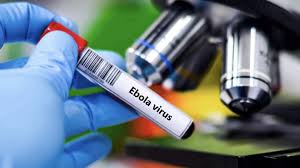 For Pakistan and other countries with significant international travel links, the developments underscore the importance of maintaining disease-monitoring systems and preparedness plans. Public health experts note that global outbreaks can quickly become international concerns in an era of extensive air travel and interconnected economies. Pakistan also need to develop a focused system to address strict Ebola travel measures across Major cities airports.
Way forward to prevent Ebola Transmission
The push for stronger Ebola travel measures reflects growing international concern about containing the outbreak before it spreads further through global travel networks. As the World Cup draws visitors from around the world and health authorities continue their response efforts in Central Africa, cooperation among governments, international organizations, and public health agencies is expected to remain critical in preventing wider transmission.

Dr. H. Zafar is a distinguished writer and analyst associated with Press Network of Pakistan as Associate Editor. With a strong academic background and years of research experience, she brings depth, clarity, and analytical rigor to her writings.