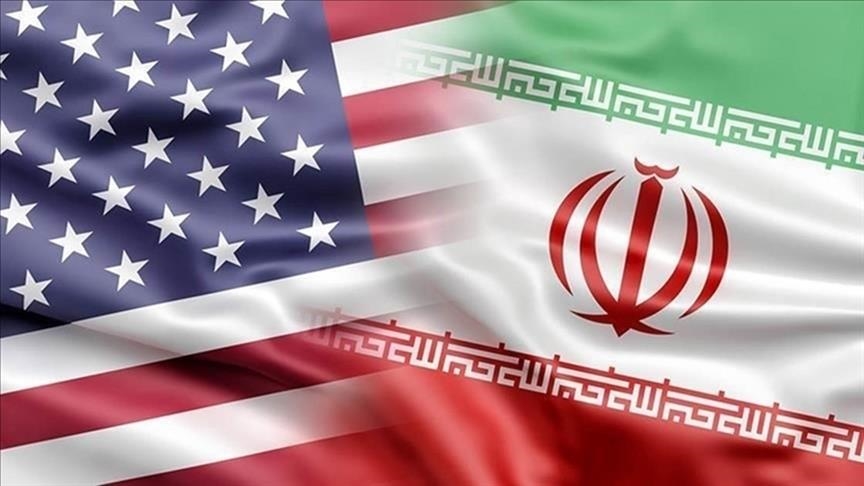
US-Iran Talks are set to enter a significant new phase after the United States confirmed plans for direct engagement with Iran’s Islamic Revolutionary Guard Corps (IRGC), marking a notable diplomatic development following recent understandings between Washington and Tehran.
US Vice President JD Vance said senior officials from the US Central Command (CENTCOM) and Iran’s Islamic Revolutionary Guard Corps would meet in Doha to discuss reducing tensions, economic incentives and future cooperation. The announcement comes amid broader diplomatic efforts aimed at stabilising the Gulf region after weeks of military confrontation and renewed negotiations over Iran’s nuclear programme.
US Secretary of State Marco Rubio also reaffirmed Washington’s position that no country can impose taxes on international shipping through the Strait of Hormuz, underscoring the strategic importance of maintaining freedom of navigation in one of the world’s busiest energy corridors.
Direct US-Iran Talks Mark a Significant Diplomatic Shift
The planned meeting between representatives of US Central Command and Iran’s Islamic Revolutionary Guard Corps represents one of the most significant diplomatic developments in recent years.
For decades, direct engagement between Washington and the IRGC has been extremely limited due to longstanding hostility, sanctions and the designation of the IRGC as a Foreign Terrorist Organization by the United States.
According to Vice President JD Vance, the discussions in Doha will focus on reducing bilateral differences, exploring economic incentives and identifying areas where future cooperation may be possible.
Although negotiations between US and Iranian diplomats have occurred previously through intermediaries, direct security-level engagement with the IRGC signals a more pragmatic approach as both countries attempt to prevent another regional military escalation.
Analysts say such contacts could improve military communication, reduce the risk of accidental confrontation and establish confidence-building measures while broader political negotiations continue.
UAE Played a Quiet but Important Diplomatic Role
Vice President Vance also revealed that the United Arab Emirates established new communication channels with Iran that had not previously existed.
According to the Trump administration, these contacts included dialogue involving senior members of the Iranian Revolutionary Guard.
Regional observers believe Gulf countries increasingly recognise that long-term regional stability cannot rely solely on military deterrence. Instead, diplomatic engagement and crisis management mechanisms have become equally important.
The UAE has in recent years pursued a more balanced foreign policy, maintaining strategic relations with the United States while gradually improving diplomatic and economic ties with Iran.
Its evolving role demonstrates how Gulf states are positioning themselves as facilitators of dialogue rather than merely participants in regional rivalries.
Strait of Hormuz Remains Central to Negotiations
US Secretary of State Marco Rubio stressed after meetings with Gulf leaders that international shipping through the Strait of Hormuz must remain uninterrupted.
Rubio said no country has the authority to impose taxes on vessels transiting the strategic waterway.
He further warned that any disruption to maritime traffic would constitute a violation of the developing agreement between Washington and Tehran.
The Strait of Hormuz handles nearly one-fifth of global crude oil exports, making it one of the world’s most strategically important maritime passages.
Even short-term disruptions have historically resulted in sharp increases in global oil prices, insurance premiums and shipping costs.
The latest US position indicates that maritime security will remain one of the central pillars of any future agreement with Iran.
Why the US-Iran Talks Matter Globally
The evolving US-Iran Talks extend well beyond bilateral relations.
Regional Security
A reduction in tensions could lower the likelihood of military conflict involving Lebanon, Iraq, Syria and the wider Gulf region.
Improved communication between military authorities may also reduce the risk of miscalculation during future crises.
Energy Markets
Any agreement ensuring uninterrupted shipping through the Strait of Hormuz would strengthen confidence in global energy markets.
Stable oil supplies benefit both energy producers and major importing economies.
Nuclear Diplomacy
The planned security dialogue complements ongoing discussions concerning Iran’s nuclear programme and sanctions relief.
Progress in one area could create momentum for agreements in other sectors.
International Trade
Safer maritime routes would support global commerce by reducing shipping risks and transportation costs.
Asian economies, including China, Japan, South Korea, India and Pakistan, would particularly benefit from greater stability in Gulf shipping lanes.
Pakistan’s Strategic Interest in the Negotiations
For Pakistan, these developments carry considerable strategic significance.
Pakistan shares a long border with Iran and maintains friendly diplomatic relations with both Tehran and Washington.
Regional stability directly affects Pakistan’s national security, energy imports and cross-border trade.
Any reduction in tensions could also improve prospects for regional connectivity projects, energy cooperation and investment across South Asia and the Middle East.
Islamabad has consistently advocated peaceful dialogue over military confrontation in addressing regional disputes.
As geopolitical competition intensifies, Pakistan’s balanced diplomatic approach may become increasingly valuable in supporting regional stability.
Challenges Still Lie Ahead
Despite encouraging diplomatic signals, several obstacles remain.
Deep mistrust continues to define US-Iran relations after decades of sanctions, military confrontations and disagreements over Iran’s nuclear activities.
Domestic political opposition exists in both countries, where hardline groups remain sceptical of concessions.
Questions also remain regarding sanctions relief, verification mechanisms, regional proxy groups and long-term security guarantees.
Success will depend not only on diplomatic engagement but also on consistent implementation of any future commitments.
Comparative Perspective: How Other Rivals Manage Military Dialogue
| Rival Countries | Military Communication | Diplomatic Status |
|---|---|---|
| United States – China | Regular military hotlines despite tensions | Active dialogue |
| United States – Russia | Strategic military deconfliction channels | Limited cooperation |
| India – China | Border commanders’ meetings and hotlines | Crisis management |
| North Korea – South Korea | Intermittent military communication | Frequently suspended |
| United States – Iran | Proposed direct CENTCOM–IRGC talks | Historic diplomatic shift |
The proposed US-IRGC engagement reflects a broader international practice where adversaries maintain military communication to reduce the risk of unintended conflict even when political disagreements persist.
Strategic Analysis
The planned Doha meeting should not be viewed as a sign of complete normalization between the United States and Iran.
Instead, it reflects a shift toward risk management diplomacy.
Washington appears focused on preventing further military escalation while protecting maritime trade and regional allies.
Iran, meanwhile, seeks sanctions relief, economic recovery and international legitimacy without abandoning its core security interests.
If these objectives can be balanced through sustained negotiations, the talks may become one of the most consequential diplomatic initiatives in the Middle East since the 2015 nuclear agreement.
However, implementation will remain the true test of whether political commitments translate into lasting regional stability.
Conclusion
The planned US-Iran Talks between US Central Command and the Islamic Revolutionary Guard Corps represent an important diplomatic milestone in efforts to reduce tensions across the Middle East.
Combined with discussions on maritime security, economic incentives and regional cooperation, the initiative reflects growing recognition that sustained dialogue is essential to avoiding future conflict.
For Pakistan and the wider international community, successful negotiations could contribute to improved regional security, more stable energy markets and renewed diplomatic momentum in one of the world’s most strategically significant regions.

Mr. Sabahuddin Qazi is a senior journalist, analyst and researcher based in Islamabad.