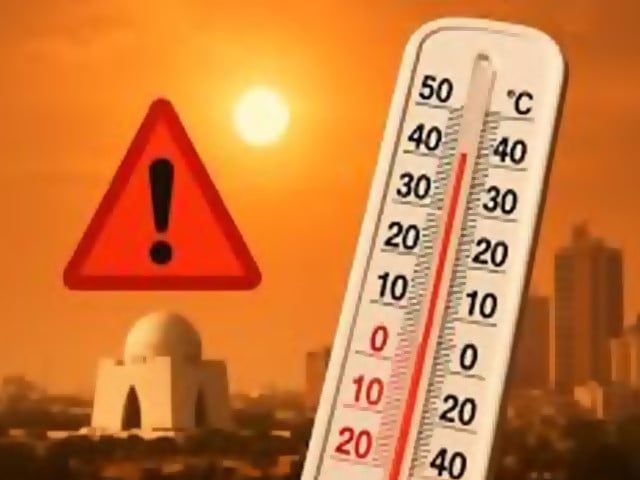
Pakistan is once again facing an alarming Heatwave situation as the National Disaster Management Authority (NDMA) and the Pakistan Meteorological Department have issued nationwide warnings about soaring temperatures expected from May 7 to May 11, 2026. According to officials, the central and southern regions of Pakistan will experience severe weather conditions, while upper areas are also expected to witness unusually high temperatures between May 7 and May 11.
The latest Heatwave advisory has raised serious concerns among authorities, medical experts, and disaster management agencies as temperatures in some regions may climb as high as 50 degrees Celsius. Citizens across the country have been urged to adopt precautionary measures to protect themselves from heatstroke, dehydration, and other heat-related illnesses.
NDMA Warns of Dangerous Heatwave Conditions
The National Disaster Management Authority issued the warning after meteorological experts observed strong high-pressure systems developing in the upper atmosphere. These systems are expected to trap heat and significantly increase temperatures across multiple provinces.
Authorities fear that the ongoing Heatwave may severely affect urban centers including Karachi, where temperatures are expected to remain between 35°C and 38°C with high humidity levels making conditions even more dangerous. Recent reports already confirmed deaths linked to extreme heat in Karachi and Hyderabad, while welfare organizations claimed the number of heatstroke-related casualties may be higher than officially reported.
To tackle the emergency, the Sindh government has established over 1,000 Heatwave relief camps across the province.
Sindh Expected to Face Extreme Heatwave
Southern Sindh is expected to remain among the hardest-hit regions during this Heatwave spell. NDMA estimates temperatures in several districts could reach dangerous levels between 46°C and 50°C.
The most affected districts include:
- Dadu
- Shaheed Benazirabad
- Ghotki
- Khairpur
- Jacobabad
- Larkana
- Sukkur
Experts warn that prolonged exposure to such temperatures can lead to severe dehydration, heat exhaustion, and fatal heatstroke cases.
Balochistan Under High Heatwave Risk
The province of Balochistan is also likely to witness extremely hot weather conditions. According to the Provincial Disaster Management Authority, districts such as:
- Sibi
- Nasirabad
- Jafarabad
- Turbat
- Panjgur
could experience temperatures close to 50°C during the ongoing Heatwave.
The dry climate and limited water resources in these areas make residents particularly vulnerable to heat-related health complications.
Punjab and KP Also Facing Heatwave Threat
The Heatwave warning also extends to southern districts of Punjab and Khyber Pakhtunkhwa.
Regions expected to record temperatures between 43°C and 47°C include:
- Dera Ghazi Khan
- Layyah
- Bhakkar
- Rajanpur
- Kot Addu
- Bahawalpur
- Multan
- Bannu
- Lakki Marwat
- Dera Ismail Khan
Meanwhile, upper Punjab and KP cities such as Islamabad, Rawalpindi, Lahore, Faisalabad, and Peshawar may experience temperatures between 39°C and 43°C.
Risk of Glacial Lake Outburst Floods
Authorities have also warned about Glacial Lake Outburst Floods (GLOF) in Gilgit-Baltistan and northern areas of Khyber Pakhtunkhwa.
Rapid glacier melting due to extreme temperatures can cause glacial lakes to burst, triggering sudden floods capable of damaging infrastructure, roads, and nearby settlements. NDMA has directed concerned departments to closely monitor sensitive areas and remain prepared for emergency response operations.
Weather Relief Expected After May 10
According to the Pakistan Meteorological Department, a weak western weather system is expected to enter Pakistan’s upper regions on the evening or night of May 10. This system may continue until May 13 and could provide partial relief from the ongoing Heatwave in northern areas.
However, experts warn that southern Pakistan may continue to experience intense heat even after the arrival of the weather system.
Health Effects of Heatwave on the Human Body
Medical experts explain that a severe Heatwave puts tremendous stress on the human body. As temperatures rise, blood vessels expand in an attempt to cool the body through sweating. This process lowers blood pressure and forces the heart to work harder to circulate blood.
Common symptoms of heat exhaustion include:
- Dizziness
- Nausea
- Muscle cramps
- Severe sweating
- Fatigue
- Headaches
- Confusion
- Fainting
If untreated, heat exhaustion can develop into heatstroke, a life-threatening medical emergency. Once body temperature exceeds 40°C, victims may lose consciousness or experience seizures.
Who Is Most Vulnerable During Heatwave?
Health professionals say elderly individuals, infants, people with heart disease, diabetes patients, outdoor laborers, and homeless individuals are at the highest risk during a Heatwave.
Patients using medications such as diuretics, blood pressure medicines, epilepsy drugs, or Parkinson’s disease treatments should be especially cautious because these medications can interfere with the body’s cooling system and increase dehydration risks.
Children and people suffering from mental health disorders may also struggle to recognize early symptoms of heat-related illness.
Important Heatwave Safety Tips
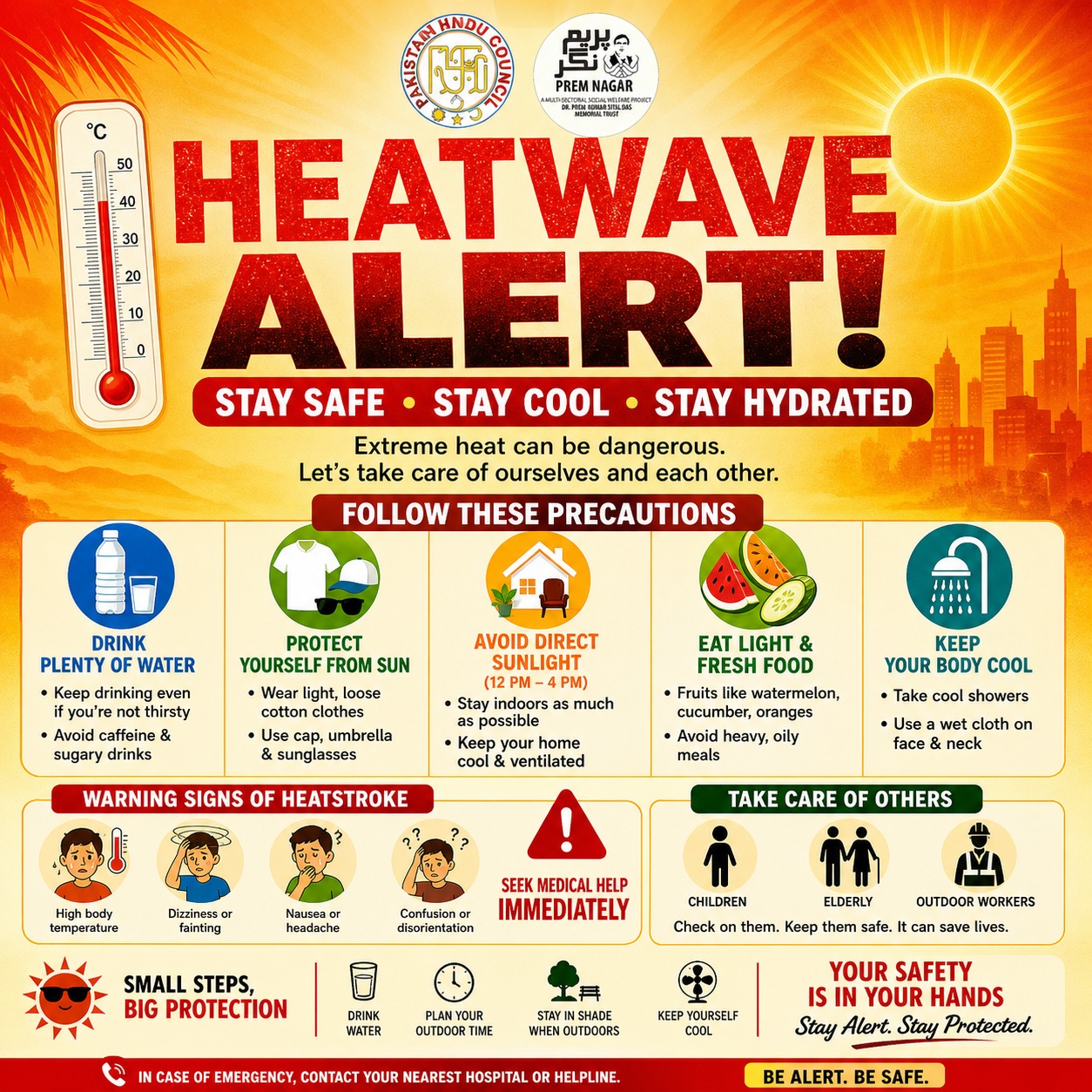
Authorities have advised citizens to strictly follow safety precautions:
- Drink plenty of clean water throughout the day
- Avoid direct sunlight between 10 AM and 5 PM
- Wear light-colored and loose clothing
- Use curtains and blinds to reduce indoor heat
- Avoid unnecessary travel during daytime
- Keep vehicles properly maintained before long travel
- Monitor weather updates through reliable sources
- Take special care of elderly family members and children
- Seek immediate medical attention in case of dizziness or heatstroke symptoms
Experts also recommend using fans near windows during nighttime to improve airflow and keeping homes naturally cool with shaded coverings and greenery.
Government and Rescue Agencies on High Alert
The National Disaster Management Authority has instructed provincial disaster management authorities, rescue agencies, hospitals, and emergency services to remain fully alert throughout the Heatwave period.
Officials are also considering adjustments in school timings and temporary closures in highly affected regions to protect students from extreme weather exposure.
Fire brigades and emergency response teams have additionally been directed to remain vigilant due to increased risks of forest fires and urban fire incidents caused by extreme temperatures.
Climate Change and Pakistan’s Growing Heatwave Crisis
Environmental experts believe Pakistan’s increasing exposure to severe events reflects the broader impact of global climate change. Rising temperatures, shrinking glaciers, irregular rainfall patterns, and water shortages are becoming more frequent across South Asia.
Pakistan remains among the countries most vulnerable to climate change despite contributing minimally to global carbon emissions. Experts warn that unless long-term climate adaptation strategies are implemented, extreme weather events could become more frequent and deadly in the coming years.
Conclusion
The current Heatwave warning serves as a serious reminder of the growing climate challenges facing Pakistan. With temperatures approaching record-breaking levels in several regions, authorities and citizens alike must work together to minimize health risks and protect vulnerable communities.
Public awareness, emergency preparedness, and responsible behavior can play a critical role in preventing casualties during this dangerous weather spell. As Pakistan braces for another intense summer season, staying informed and following official safety guidelines may prove lifesaving.

Dr. H. Zafar is a distinguished writer and analyst associated with Press Network of Pakistan as Associate Editor. With a strong academic background and years of research experience, she brings depth, clarity, and analytical rigor to her writings.