

Britain’s Immigration Policy is revised after the announcement of new UK Asylum Settlement Rules.
UK Asylum Settlement Rules are set to undergo significant changes after the British government unveiled proposals requiring certain refugees to repay the cost of government-funded accommodation and living support before becoming eligible for permanent settlement.
According to government proposals reported by Reuters, financially stable asylum beneficiaries may be required to reimburse up to £10,000 spent on their accommodation and basic living expenses during the asylum process. Officials say the measure is intended to reduce pressure on taxpayers while encouraging greater personal responsibility among successful asylum applicants.
Britain’s Immigration Policy Revised with introduction of new Repayment Requirement
Under the proposed immigration and asylum legislation, adults who receive refugee protection and later become financially self-sufficient could be required to repay part of the public funds spent on supporting them during their asylum process.
 The repayment would cover government-funded accommodation and essential living expenses provided while asylum applications were under review.
Only after fulfilling this financial obligation would eligible individuals be permitted to apply for permanent settlement in the United Kingdom.
Government officials emphasized that the repayment system would apply only to people who have the financial capacity to contribute. The policy is designed to ensure that public assistance remains available while encouraging beneficiaries to contribute once they achieve economic stability.
Children would be exempt from the repayment requirement, and the proposed rules would not apply retrospectively to previous asylum cases.
Government Says Reform Aims to Reduce Pressure on Taxpayers
British officials argue that immigration continues to be one of the country’s most significant political and economic issues.
The government has stated that the proposed reforms are intended to reduce the financial burden placed on taxpayers while maintaining humanitarian protection for those fleeing persecution.
UK Home Secretary Shabana Mahmood said assistance provided to refugees remains an important humanitarian commitment. However, she added that individuals who later become financially secure should contribute toward the public resources they received during the asylum process.
According to the Home Office, the government has not yet determined the minimum income threshold that would trigger repayment obligations. Additional details regarding monthly repayment schedules and implementation mechanisms are expected to be outlined after further consultation.
Officials also stressed that safeguards will be built into the policy to ensure repayments do not push individuals into poverty or homelessness.
Britain’s Immigration Policy, Shapes UK Political Debate
Immigration has remained one of the defining political issues in the United Kingdom over the past decade.
Successive governments have introduced measures aimed at reducing irregular migration, tightening border controls, and reforming the asylum system. The issue has gained greater prominence following increased numbers of migrants crossing the English Channel in small boats, placing additional pressure on asylum processing and public services.
 The proposed repayment policy reflects the government’s broader strategy to balance humanitarian obligations with public spending concerns.
Supporters argue that requiring financially successful refugees to reimburse part of the support they received promotes fairness for taxpayers while preserving assistance for future asylum seekers.
Critics, however, are expected to question whether additional financial obligations could create barriers to long-term integration and settlement for refugees rebuilding their lives after fleeing conflict or persecution.
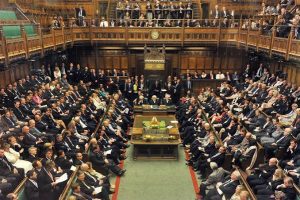
The proposed legislation is likely to generate further debate in Parliament, where lawmakers will examine its legal, humanitarian, and economic implications before any final implementation.
Notable shift in Britain’s immigration policy
The proposed UK Asylum Settlement Rules represent a notable shift in Britain’s immigration policy by linking permanent residency eligibility with repayment of government-funded support for those who can afford it.
While the government argues that this Britain’s immigration policy reforms will improve fairness and reduce taxpayer costs, the proposals are expected to remain the subject of political and public debate as Parliament considers the legislation. If approved, the policy could introduce a new model for balancing humanitarian assistance with fiscal responsibility within the UK’s asylum system.
How useful was this post?
Click on a star to rate it!
Average rating / 5. Vote count:
No votes so far! Be the first to rate this post.

Dr. H. Zafar is a distinguished writer and analyst associated with Press Network of Pakistan as Associate Editor. With a strong academic background and years of research experience, she brings depth, clarity, and analytical rigor to her writings.