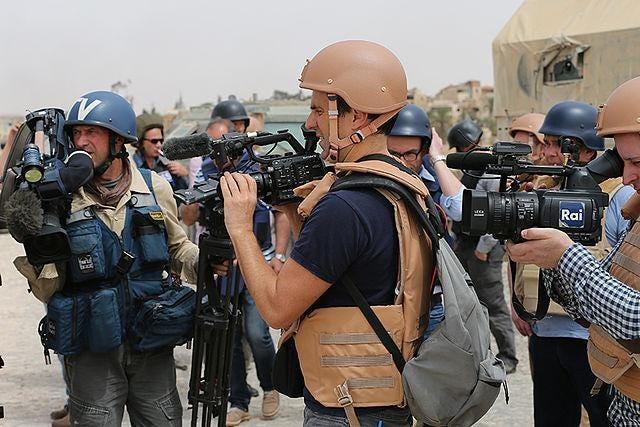
Media Role in Iran-US War has become central to understanding how global audiences perceive one of the most complex geopolitical conflicts in recent times. The media does not merely report events; it constructs narratives that can either intensify conflict or promote peace.
A comparative analysis of media approaches reveals two dominant frameworks: war journalism and peace journalism. Each offers a distinct way of interpreting and presenting the realities of the Iran–US conflict, ultimately shaping public opinion and policy responses.
Media Role in Iran-US War and Narrative Construction
The Media Role in Iran-US War is deeply rooted in narrative framing. Media organizations select specific angles, language, and sources, influencing how audiences interpret events.
War journalism tends to emphasize violence, strategy, and confrontation. It often portrays conflicts in binary terms, focusing on winners and losers.
In contrast, peace journalism provides a broader perspective. It highlights underlying causes, human suffering, and potential solutions, encouraging audiences to think beyond immediate hostilities.
This difference in framing forms the foundation of the comparative analysis of the Media Role in Iran-US War.
War Journalism Approach
Focus on Conflict and Drama
The war journalism approach within the Media Role in Iran-US War prioritizes dramatic storytelling. Headlines often emphasize military strikes, retaliation, and escalating tensions.
This style captures attention but can also heighten fear and anxiety among audiences. By focusing on confrontation, it may unintentionally normalize conflict as inevitable.
Binary Narratives
War journalism frequently presents issues in “us versus them” terms. In the context of the Media Role in Iran-US War, this can reinforce divisions and limit understanding of complex geopolitical realities.
Impact on Public Opinion
The emphasis on conflict in the Media Role in Iran-US War can influence public sentiment, often increasing support for aggressive policies and military action.
Peace Journalism Approach
Focus on Human Impact
Peace journalism within the Media Role in Iran-US War shifts attention to the human cost of conflict. It highlights civilian experiences, displacement, and humanitarian challenges.
Context and Complexity
Unlike war journalism, peace journalism explores the root causes of conflict. In the Media Role in Iran-US War, this includes historical tensions, political dynamics, and economic factors.
Encouraging Dialogue
A key feature of peace journalism is its emphasis on solutions. By covering diplomatic efforts and negotiations, it promotes the possibility of peaceful resolution.
Media Role in Iran-US War: Key Differences
Framing of Events
The Media Role in Iran-US War differs significantly in how events are framed:
-
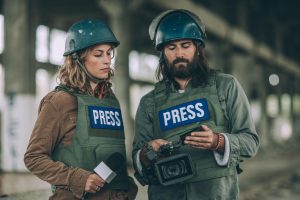
War journalism focuses on immediate events and conflict escalation
-
Peace journalism emphasizes context and long-term solutions
 Language and Tone
Language plays a crucial role in shaping perceptions. War journalism often uses emotionally charged terms, while peace journalism adopts a more neutral tone.
Sources and Voices
War journalism tends to rely on official statements and military sources. In contrast, peace journalism includes voices of civilians, experts, and peace advocates.
This comparative dimension highlights how media role can vary dramatically depending on the journalistic approach.
Social Media Dynamics
Amplification of Narratives
Social media platforms have amplified media narratives allowing information to spread rapidly. This increases both awareness and the risk of misinformation.
Polarization and Echo Chambers
Digital spaces often reinforce existing beliefs. In the context of the role played by media in the ongoing conflict, all the narratives can lead to polarized opinions, making constructive dialogue more difficult.
Media Role and Ethical Challenges
Balancing Speed and Accuracy
Journalists covering the Media Role in Iran-US War face pressure to report quickly. However, speed should not come at the expense of accuracy.
 Avoiding Bias
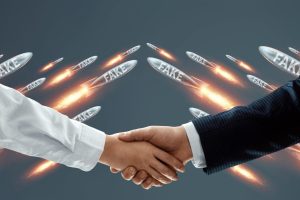
Maintaining neutrality is a significant challenge. Bias in reporting can distort the narrative influencing public perception unfairly.
Responsibility Toward Peace
Media organizations have a responsibility to consider the impact of their reporting. Ethical journalism during conflicts should aim to inform without escalating tensions.
Media Role in Iran-US War and Global Implications
The Media Role in Iran-US War extends beyond regional boundaries. International audiences rely on media coverage to understand the conflict, making global narratives highly influential.
Positive coverage of diplomatic efforts can support peace initiatives, while negative or sensational reporting may hinder them. This underscores the importance of balanced journalism.
Lessons for the Future
The comparative analysis of the Media Role in Iran-US War offers valuable lessons:
- Media narratives shape reality as much as events themselves
- Peace journalism provides opportunities for dialogue and understanding
- War journalism, while impactful, can escalate tensions if not balanced
- Ethical reporting is essential for maintaining credibility and trust
Conclusion: Media as a Force for Conflict or Peace
How the on-going conflict is covered by media is itself a powerful determinant of how conflicts are perceived and addressed. The choice between war journalism and peace journalism is not merely stylistic but it has profound implications for global stability.
A balanced approach that combines accurate reporting with contextual analysis can help bridge divides and promote understanding. As the Iran–US conflict continues to evolve, the role of media will remain critical in shaping its trajectory.
Ultimately, the future of the media in the context of the on going war/conflict depends on the commitment of journalists and media organizations to prioritize truth, responsibility, and humanity over sensationalism.
Dr. H. Zafar is a distinguished writer and analyst associated with Press Network of Pakistan as Associate Editor. With a strong academic background and years of research experience, she brings depth, clarity, and analytical rigor to her writings.