
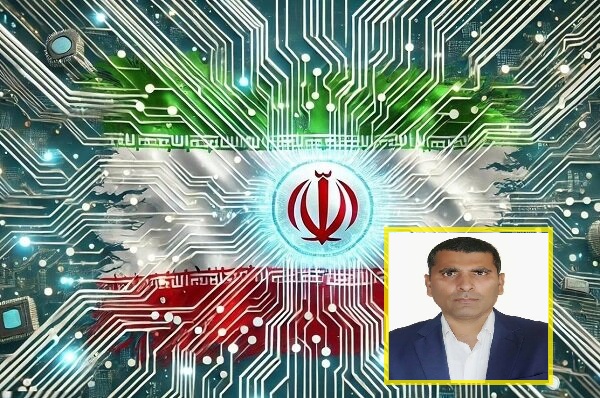
An alleged Iran AI fake news campaign used artificial intelligence tools and fabricated journalist identities to place articles critical of the United States’ war with Iran in online media outlets, according to a report published by OpenAI.
The company said it had identified nearly 100 articles published or syndicated under seven fictitious bylines across more than a dozen online publications. The operation also used AI to prepare editorial pitches and generate batches of social media comments intended to promote narratives about the US-Iran conflict.
OpenAI said it had banned the ChatGPT accounts associated with the activity and shared information about the case with relevant authorities. However, the company said it could not identify the specific actor behind the campaign and described the activity as consistent with a commercial operation offering influence services.
The findings highlight a growing challenge for news organisations: content produced or refined with AI can enter legitimate media channels through apparently credible contributors, potentially reaching readers who have little reason to suspect that an author’s identity is fabricated.
Iran AI Fake News Operation Used Seven False Journalist Identities
OpenAI named the campaign “Bogus Bylines” and said it involved seven identities presented as Western journalists, usually Americans, with purported backgrounds in international affairs, human rights, Middle Eastern politics or conflict reporting.
The identities identified in the report were Ervin B. Hoskins, Noah Lamington, Sophia Gonzalez, Michael Harrison, Ericka Feusier, Jenny Williams and Alice Johnson.
According to OpenAI, the people operating the accounts used the company’s AI models to improve long-form English-language articles, prepare pitches tailored to individual publications and refine internal reports. The operators also developed online profiles to support the appearance that the bylines belonged to genuine journalists.
Some of the identities had accounts on social media platforms. OpenAI said transparency information associated with accounts using the Ervin B. Hoskins identity placed them in Iran, despite a profile describing Hoskins as an American freelance writer.
The company identified articles associated with the operation dating from July 2025 to October 2026. It said publication activity increased substantially after the US-Iran conflict began in 2026.
The articles generally appeared in small and medium-sized outlets covering international affairs, geopolitics and the Middle East. Some publications also had anti-war or progressive editorial perspectives.
The operation’s apparent method relied on more than generating text. It used established publication channels and submissions processes to place material before audiences that might not otherwise encounter content from an unknown or openly partisan source.
OpenAI said some outlets subsequently promoted the articles through their own social media accounts, potentially extending their reach.
How AI Helped the Campaign Reach News Editors
OpenAI’s account describes a process in which AI supported the preparation and distribution of material rather than simply producing isolated social media posts.
Operators submitted draft articles about the geopolitics of the US-Iran conflict and asked ChatGPT to review them against the submission requirements of specific online publications. The system was then used to suggest edits and help prepare emails pitching the material to editors.
The fake bylines and accompanying biographies were intended to make the submissions appear to come from Western-based writers with relevant professional interests.
This approach created a potential route into established publishing systems. Instead of relying exclusively on websites or social media accounts controlled by the operators, the campaign sought publication through outlets that already had their own audiences and editorial identities.
The distinction matters because readers may place greater confidence in an article appearing on a recognised news or commentary platform than in an anonymous post circulating on social media. Publication can also give an article additional visibility when the outlet itself shares it.
OpenAI said its investigation found nearly 100 articles associated with the operation. It cautioned, however, that the campaign’s social media activity did not appear to generate substantial engagement. Some comments were posted in batches within short periods, and the company said the operators’ internal reporting used misleading calculations that may have overstated the operation’s effectiveness.
The findings therefore point to an attempt to expand the distribution of political messaging, but they do not establish that the campaign successfully changed public opinion on a large scale.
What the Articles Sought to Communicate About the US-Iran Conflict
OpenAI said the long-form articles focused primarily on the US-Iran conflict and often emphasised the war’s consequences for Americans.
The campaign’s broader messaging presented the United States as the aggressor, portrayed Israel as an unreliable US ally and framed Iran as a country resisting external pressure. The company said related social media comments addressed subjects including missile strikes, ceasefire efforts and diplomatic manoeuvring.
The material was produced in English and Persian. OpenAI said the operators generally prompted the model in Persian while using it to develop or refine content in both languages. They also used virtual private networks, or VPNs, to obscure their location when accessing ChatGPT.
The subject matter placed the operation within the wider information contest accompanying the conflict. Governments, political groups and other actors have incentives to shape international perceptions of military action, responsibility for escalation and the prospects for diplomacy.
Nevertheless, criticism of a government or opposition to a war is not, by itself, evidence of disinformation. Democratic debate includes legitimate disagreement over military policy and its humanitarian, economic and diplomatic consequences.
The central issue in this case is the reported use of deceptive identities and concealed sponsorship to circulate material. Readers and editors may assess an argument differently when they know who wrote it, what expertise the author possesses and whether the author has an undisclosed interest in the subject.
OpenAI’s findings concern the alleged methods and distribution of the campaign; they should not be interpreted as proof that every critical article about US policy toward Iran is fabricated or coordinated.
News Outlets Review Editorial Safeguards
The case has raised questions about how publications verify contributors, particularly when they receive unsolicited opinion pieces through established syndication services or from organisations with which they have previously worked.
A report by The Washington Post on October 9 described how an opinion article attributed to Ervin Hoskins appeared in the Florida newspaper Port St. Joe Star. The newspaper’s publisher said the article had been submitted through PeaceVoice, an Oregon-based peace and public-intellectual commentary service that had supplied material to the publication for years.
The publisher said that prior relationship contributed to his decision not to verify the author’s identity independently before publication. PeaceVoice subsequently strengthened its existing policy against AI-generated submissions after being contacted about the case.
The Washington Post also reported that Middle East Monitor and Daily Kos had removed articles attributed to the fabricated identities and were reviewing their processes. Some material attributed to Hoskins had appeared on a community publishing platform at Daily Kos, where posts were not subject to staff review before publication.
These examples illustrate how a publication can become an unwitting distribution channel even when its editors do not intend to support a covert influence effort.
Traditional verification methods remain relevant. Editors can check an author’s identity, request a verifiable professional history, confirm institutional affiliations and examine whether a proposed contributor has a consistent record of original work. Where appropriate, they can arrange a direct conversation with the writer and independently verify claims in submitted material.
AI-detection software alone is not a reliable substitute for these procedures. Such tools can make mistakes, and AI assistance does not automatically make a piece false. The more fundamental questions concern authorship, evidence, transparency and whether the article accurately represents its sources.
OpenAI Says the Campaign’s Sponsor Remains Unidentified
Although OpenAI traced the relevant ChatGPT accounts to Iran, it said the evidence did not establish the identity of the organisation or individual directing the campaign.
The company assessed that the activity appeared consistent with a commercial actor offering influence services for hire. It said it had shared information about the case with relevant authorities.
That qualification is important. The location of accounts, the language used in prompts and the political themes of published articles can help investigators understand an operation, but they do not by themselves prove that a particular government agency ordered or controlled it.
OpenAI’s report also covered a separate Russia-origin influence operation, which the company called “Dark Clark.” That activity appeared to involve a purported research organisation in Latin America and included efforts to circulate misleading material about Ukraine and regional political issues. OpenAI said it had banned accounts associated with both operations.
The two cases demonstrate how AI tools can be combined with conventional techniques such as fake profiles, fabricated organisational identities, targeted submissions and social media distribution.
The report does not mean that AI independently carried out the campaigns. Rather, people used the technology as part of broader operations involving planning, content preparation and attempts to gain access to audiences.
Why the Findings Matter for Pakistan and International Media
The case has implications for newsrooms around the world, including Pakistan, where digital platforms and online publications play an important role in distributing political and international news.
Pakistan’s media organisations routinely cover conflicts, regional security, US foreign policy and relations among major powers. Articles on these subjects can influence public debate, especially when they are shared across multiple platforms or republished by other outlets.
A fabricated foreign byline or a misleadingly presented commentary article could be mistaken for independent reporting if the publication does not verify the contributor’s identity and claims. Once distributed, the material may be quoted or reshared without the context needed to assess its origin.
The issue is not limited to any one country or political viewpoint. The same techniques could potentially be used to promote competing narratives, discredit political opponents or manufacture the appearance of wider public support for a position.
For Pakistani news organisations, practical safeguards include maintaining clear contributor-verification procedures, checking the original source of syndicated material, disclosing relevant AI use where required by editorial policy and distinguishing reported facts from opinion.
Editors should also retain records of submissions and communications, especially when dealing with unfamiliar contributors who claim professional affiliations that are difficult to verify. Articles containing serious allegations should be checked against primary documents, official statements and independent sources before publication.
Readers can also reduce the risk of being misled by checking an author’s publication history, looking for corroboration from credible independent outlets and distinguishing a genuine report from a commentary piece. A familiar publication name is not, on its own, proof that every article it carries has been independently verified.
For international audiences, the episode underscores the importance of preserving trust in media at a time when geopolitical disputes are increasingly fought through competing narratives as well as diplomatic and military action.
Conclusion: AI Raises the Stakes for Editorial Verification
OpenAI’s findings describe an influence operation that allegedly combined AI-assisted writing with fabricated journalist identities to place political articles in online media outlets. The company said it had banned the associated ChatGPT accounts, but it could not identify the specific actor behind the campaign.
The reported scale—nearly 100 articles across more than a dozen outlets—shows how deceptive content can travel through legitimate publishing channels rather than remaining confined to obviously inauthentic websites or social media profiles.
The case does not establish that the campaign achieved substantial public influence, nor does it show that all affected outlets knowingly participated. It does, however, demonstrate why editorial verification must extend beyond the quality of a submitted article’s writing.
As AI tools become more capable of refining language and tailoring submissions to different publications, verifying authorship, checking evidence and disclosing relevant affiliations remain essential to responsible journalism.
Dr. Mohammad Arif is a renowned Islamabad-based Pakistani scholar.