Iran-US War has emerged as one of the most critical geopolitical crises of 2026, reshaping global alliances, energy markets, and diplomatic priorities. What began as escalating tensions over Iran’s nuclear program and regional influence quickly turned into a full-scale conflict following U.S. and allied strikes in February 2026.
The consequences have been severe, not only for the Middle East but for the entire world. From disruptions in oil supply routes to rising global inflation, the war has exposed how interconnected modern geopolitics truly is.
Iran-US War and Escalation Dynamics
The Iran-US War escalated rapidly after initial military strikes were followed by retaliatory attacks from Iran across the region. The Strait of Hormuz, a critical global oil route, became a focal point of tension, affecting global energy supplies.
The conflict also expanded beyond direct confrontation. Cyber warfare, proxy engagements, and regional instability turned the crisis into a multi-dimensional war. Analysts describe it as a “security dilemma,” where both sides perceive defensive actions as threats, fueling further escalation.
Despite intense military activity, neither side has achieved a decisive victory, leading to a fragile and uncertain stalemate.
Iran-US War and Global Economic Impact
Energy Crisis and Inflation
One of the most immediate consequences of the Iran-US War has been the disruption of global oil supplies. The closure and control of key shipping routes led to rising fuel prices and increased transportation costs worldwide.
Countries dependent on Middle Eastern oil have faced economic pressure, with inflation affecting everyday life. Businesses in major economies have adopted a “wait-and-see” approach due to uncertainty.
Shifting Global Alliances
The war has also altered geopolitical alignments. While some countries support U.S. actions, others view the conflict as a failure of diplomacy. This division reflects a broader shift toward a multipolar world order.
Iran-US War and Pakistan’s Strategic Role
Pakistan as a Key Mediator
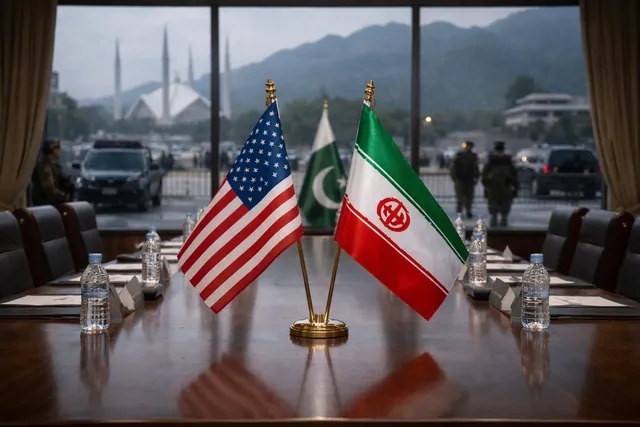
In the midst of the Iran-US War, Pakistan has emerged as a crucial diplomatic bridge between the two adversaries. With strong ties to both Washington and Tehran, Pakistan is uniquely positioned to facilitate dialogue.
Pakistan played a central role in brokering an initial ceasefire and continues to host high-level negotiations in Islamabad.
Hosting Historic Peace Talks
Islamabad has become the focal point of global diplomacy, hosting direct negotiations between the U.S. and Iran for the first time in decades.
These talks, although challenging, represent a significant step toward de-escalation. Pakistan’s diplomatic efforts include engaging regional powers such as Saudi Arabia, Qatar, and Turkey to build consensus.
Iran-US War: Pakistan’s Diplomatic Balancing Act
Pakistan’s role in the Iran-US War is not without challenges. The country must carefully balance its relationships with competing regional and global powers.
Neutral Yet Influential
Pakistan has maintained an official stance of neutrality while actively promoting peace. It has condemned violence from all sides and emphasized dialogue as the only viable solution.
Security and Economic Concerns
The war poses direct risks to Pakistan, including border security issues and economic pressures linked to energy shortages. At the same time, successful mediation enhances Pakistan’s global standing.
Iran-US War and Ongoing Ceasefire Efforts
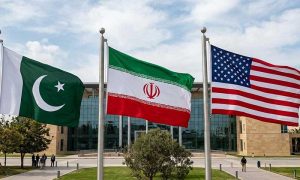 Recent developments indicate ongoing efforts to extend a temporary ceasefire and move towards the 2nd round of dialogues. However, negotiations remain complex due to disagreements over nuclear policies, regional conflicts, and economic sanctions. Pakistan continues to push for renewed talks, with leaders engaging in shuttle diplomacy to keep communication channels open. The future of these peace talks, engaging global leaders, including the United Nations, have expressed optimism about the continuation of negotiations facilitated by Pakistan. However, the situation remains unpredictable, with the possibility of renewed conflict if talks fail.
Iran-US War and Regional Stability
The broader impact of the Iran-US War extends across the Middle East. Conflicts in Lebanon and tensions involving regional actors have complicated peace efforts.
This interconnected instability highlights the importance of diplomatic intervention. Without sustained efforts, the conflict could escalate into a wider regional war.
Lessons from the Iran-US War
The Iran-US War offers several critical lessons for global politics:
- Military action alone cannot resolve complex geopolitical disputes
- Diplomacy remains essential, even in times of conflict
- Neutral mediators like Pakistan play a vital role in crisis resolution
- Global economic stability is deeply tied to regional peace
Conclusion: Pakistan’s Role in Shaping the Future
Iran-US War is not just a regional conflict, it is a global crisis with far-reaching implications. Amid rising tensions and uncertainty, Pakistan’s role as a mediator stands out as a beacon of diplomatic possibility.
By hosting talks, facilitating dialogue, and maintaining neutrality, Pakistan has positioned itself as a key player in shaping the outcome of this conflict. While challenges remain, continued diplomatic efforts offer hope for a peaceful resolution.
The future of the Iran-US War will depend not only on military decisions but also on the success of negotiations and Pakistan’s role in those negotiations may prove whether the world moves toward peace or prolonged conflict.
Dr. H. Zafar is a distinguished writer and analyst associated with Press Network of Pakistan as Associate Editor. With a strong academic background and years of research experience, she brings depth, clarity, and analytical rigor to her writings.