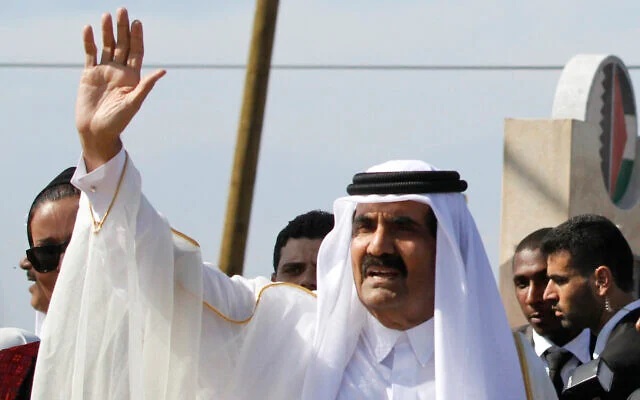
Former Emir of Qatar, Sheikh Hamad bin Khalifa Al Thani, has passed away at the age of 74. He was a transformative leader who, in just 18 years, turned a small desert nation into one of the world’s wealthiest and most influential countries.
Sheikh Hamad’s life story is nothing short of remarkable. In 1995, he assumed power while his father was abroad. In a bloodless palace coup, he peacefully removed his father from office, who subsequently spent nearly a decade living outside Qatar.
Qatar is geographically smaller than Belgium, and at the time its population was around two million, most of whom were expatriate workers. Beneath its desert, however, lay some of the world’s largest natural gas reserves.
Recognizing this opportunity, Sheikh Hamad focused the country’s wealth and strategic vision on liquefied natural gas (LNG).
His strategy proved extraordinarily successful. Qatar became the world’s leading exporter of LNG, and its citizens went on to enjoy one of the highest per-capita incomes in the world.
According to official figures, Qatar’s national wealth increased 24-fold during his rule, while the country’s annual LNG production capacity reached 77 million tonnes.
However, enormous wealth also brought a major security challenge. Qatar had only a small military, making it vulnerable to larger neighbors.
To safeguard his country, Sheikh Hamad invested in two unprecedented assets.
The first was global attention. In 1996, he established Al Jazeera, which quickly became the Arab world’s most influential news network. The channel gained worldwide prominence, even broadcasting video messages from Osama bin Laden. Al Jazeera gave Qatar unmatched media influence across the region.
The second was American military protection.
In 1996, Qatar spent more than $1 billion to build the Al Udeid Air Base outside Doha, featuring the Gulf’s longest runway.
Interestingly, Qatar’s own air force operated only about a dozen fighter aircraft, yet the base was designed to accommodate around 100 aircraft.
In 1999, Sheikh Hamad invited the United States to station approximately 10,000 American troops there. Following the September 11 attacks in 2001, U.S. forces moved into the base.
Today, Al Udeid is the largest U.S. military installation in the Middle East, and Qatar does not charge rent for its use. Sheikh Hamad effectively ensured the protection of Qatar’s vast gas reserves by hosting American forces free of charge.
With growing gas revenues, he began investing around the world.
In 2005, he established the Qatar Investment Authority (QIA). Through the sovereign wealth fund, Qatar acquired London’s famous Harrods department store, significant stakes in The Shard, Canary Wharf, approximately 17% of Volkswagen, and the French football club Paris Saint-Germain (PSG).
Such was Qatar’s investment footprint that a British newspaper once remarked that Qataris owned more land in London than the British monarch.
During the 2008 global financial crisis, Sheikh Hamad invested billions to help rescue Barclays Bank, increasing Qatar’s stake in the bank to more than 12 percent.
Qatar had virtually no football tradition, but in 2010 it secured the hosting rights for the 2022 FIFA World Cup. Although the bid later attracted allegations of corruption and criticism over migrant workers’ conditions, when the tournament opened in 2022, Sheikh Hamad received a standing ovation from the stadium crowd.
Rather than simply accumulating wealth, Sheikh Hamad used Qatar’s gas revenues to build media influence, strategic military partnerships, global investments, and international prestige.
Today, despite having a population of only about two million citizens and residents at the time of his rise, Qatar frequently mediates between major global powers and hosts world leaders, including U.S. presidents.
Sheikh Hamad positioned Qatar at the center of international diplomacy. His government played important roles in mediation efforts involving Sudan, Lebanon, and the Palestinian factions Hamas and Fatah.
During his tenure, Qatar also allowed the Taliban to open a political office in Doha, facilitating negotiations between the United States and the Taliban that eventually contributed to the U.S. withdrawal from Afghanistan.
During the Arab Spring, Qatar supported popular movements through Al Jazeera’s extensive coverage.
Sheikh Hamad also backed NATO’s intervention against Muammar Gaddafi in Libya and became the first head of state in more than a decade to visit Gaza.
On 25 June 2013, he made another historic decision by voluntarily transferring power to his son, Sheikh Tamim bin Hamad Al Thani. It marked one of the Arab world’s first peaceful and voluntary successions in which a reigning father handed power to his son during his lifetime.
In his farewell address, Sheikh Hamad said:
“The future lies before you, sons and daughters of the nation. You are entering a new era in which a young leadership will carry the country’s flag forward.
In just 18 years, Sheikh Hamad transformed Qatar from a small Gulf state into a global economic, political, and diplomatic powerhouse—an achievement widely regarded as one of the most remarkable national transformations in modern history.
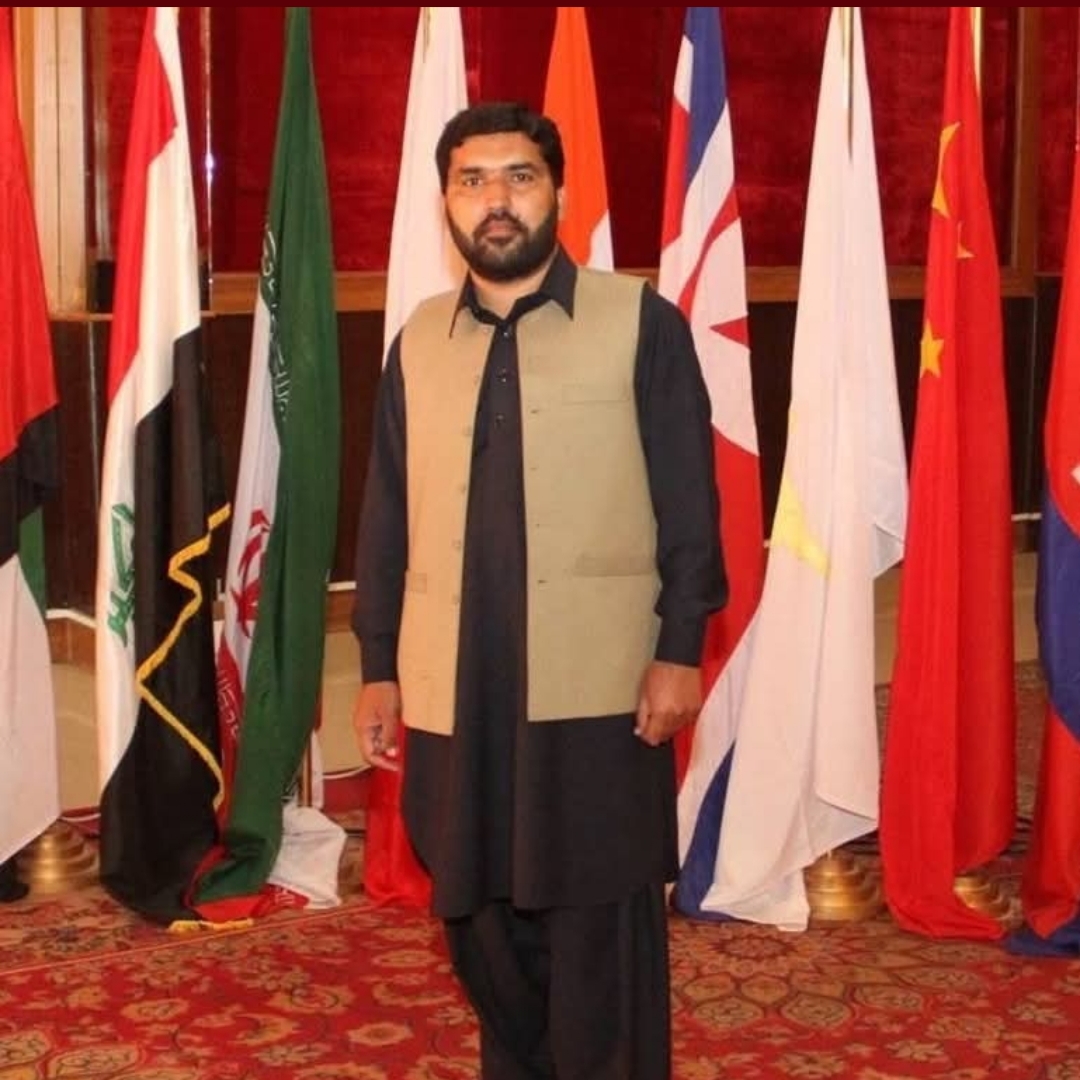
Naeem Akhtar plays a key role in shaping editorial content and maintaining the highest standards of accuracy and clarity. His dedication ensures that PNP’s coverage remains timely, reliable, and impactful for its readers worldwide.