
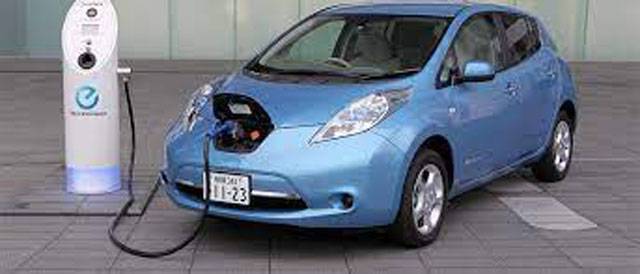
Electric Vehicle Tax measures introduced in Pakistan’s Budget 2026-27 have reshaped the country’s taxation framework for electric mobility, balancing support for affordable and locally assembled vehicles with higher levies on luxury imports. The new proposals, announced as part of the federal budget, are aimed at encouraging sustainable transportation while broadening the tax base on premium vehicle segments.
The latest changes come as Pakistan seeks to reduce fuel imports, promote cleaner transportation, and support domestic manufacturing under its broader economic and environmental goals.
Electric Vehicle Tax Targets Luxury Imports
According to budget documents, the government has proposed a new tax structure for imported electric vehicles (EVs), particularly targeting high-end models.
Under the proposed framework, imported electric cars, SUVs, and pickup vehicles brought into Pakistan for personal use with a value of up to Rs20 million will continue to enjoy zero Federal Excise Duty (FED). However, vehicles valued above Rs20 million and up to Rs30 million will face a 30% FED, while those exceeding Rs30 million will be subject to a 40% FED.
 The budget also proposes new duties on luxury conventional vehicles. Imported vehicles and SUVs with engine capacities above 2,000cc and up to 3,000cc are expected to face a 40% ad valorem FED, while vehicles exceeding 3,000cc may be taxed at 41%.
Officials say the objective is to maintain incentives for mass-market electric mobility while ensuring that luxury vehicle imports contribute a larger share of revenue.
Industry analysts note that the move represents a significant policy shift because premium EVs had previously benefited from broader tax concessions aimed at encouraging electric mobility.
Electric Vehicle Tax Relief Continues for Local Industry
Despite the introduction of new taxes on luxury imports, the government has maintained several incentives designed to support Pakistan’s emerging EV ecosystem.
Budget documents indicate that tax relief on the import of Completely Knocked Down (CKD) kits for electric vehicles has been extended until June 30, 2027. The extension is expected to benefit local assemblers and manufacturers by reducing production costs and encouraging investment in domestic assembly operations.
The government has also retained preferential treatment for many locally assembled electric vehicles and range-extended electric vehicles (REEVs), helping sustain momentum in Pakistan’s transition toward cleaner transportation.
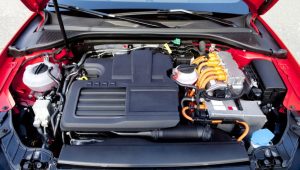 Auto sector experts believe these incentives could support local employment, technology transfer, and industrial growth while reducing dependence on imported fossil fuels.
Pakistan’s automotive market has witnessed growing interest in EVs over the past few years as consumers seek alternatives to rising fuel costs. The continuation of tax relief for local assembly may encourage manufacturers to expand their product offerings and production capacity.
Why the New Tax Structure Matters
The revised Electric Vehicle Tax policy reflects the government’s attempt to strike a balance between environmental objectives and fiscal requirements.
Pakistan faces persistent challenges related to energy imports, foreign exchange reserves, and environmental sustainability. Encouraging the adoption of electric vehicles has become a key policy objective because transportation remains a major consumer of imported petroleum products.
At the same time, authorities are under pressure to increase tax revenues and broaden the tax net. By imposing higher duties on luxury EVs while preserving incentives for affordable and locally assembled vehicles, policymakers aim to promote green transportation without sacrificing revenue collection.
The policy may also influence consumer behavior. Buyers seeking affordable electric vehicles could continue to benefit from tax incentives, while demand for premium imported EVs may be affected by the higher duties.
Internationally, many countries are adopting similar approaches by providing incentives for mainstream electric vehicles while adjusting taxation on luxury segments to support fiscal sustainability.
For Pakistan, the success of the policy will depend on how effectively it encourages local manufacturing, expands charging infrastructure, and increases consumer confidence in electric mobility.
Impact of EV Tax on Industry Stakeholders
Pakistan’s Budget 2026-27 introduces important changes to the Electric Vehicle Tax framework by  imposing new duties on luxury imported EVs while preserving incentives for affordable and locally assembled models. The policy reflects a broader strategy to support environmental goals, encourage local industry, and strengthen government revenues.
As the Finance Bill moves through the legislative process and detailed implementation guidelines emerge, industry stakeholders will closely monitor how the new measures affect vehicle prices, investment decisions, and the future growth of Pakistan’s electric vehicle market.

Dr. H. Zafar is a distinguished writer and analyst associated with Press Network of Pakistan as Associate Editor. With a strong academic background and years of research experience, she brings depth, clarity, and analytical rigor to her writings.