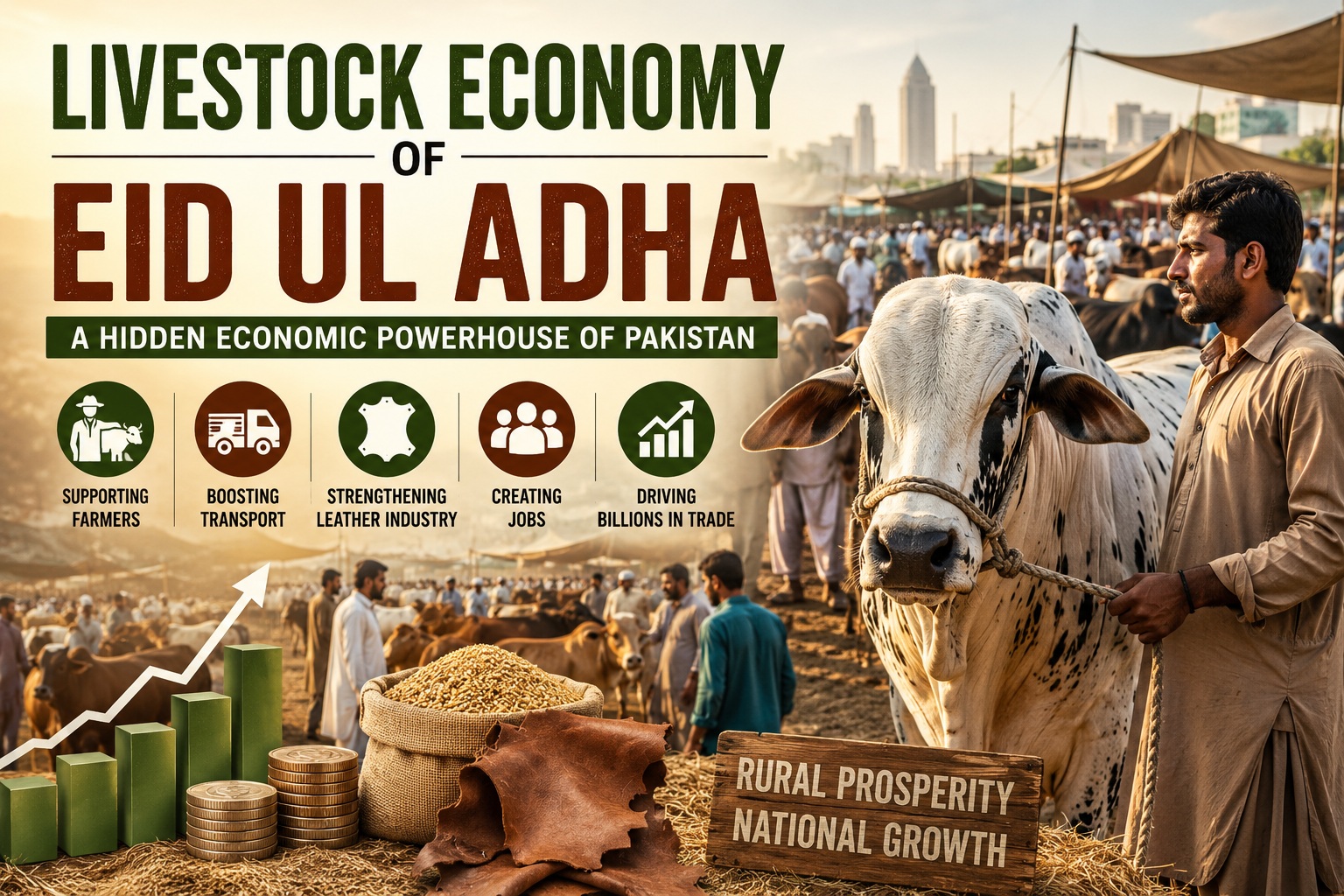
Eid ul Adha is widely known as a religious festival of sacrifice, devotion, and charity. However, beyond its spiritual significance lies a vast economic network that activates millions of livelihoods across Pakistan every year. The Livestock Economy of Eid ul Adha represents one of the country’s largest seasonal economic activities, generating billions of rupees in trade, transportation, agriculture, and related industries.
From remote villages in Sindh, Punjab, Khyber Pakhtunkhwa, and Balochistan to urban cattle markets in Karachi, Lahore, Islamabad, Peshawar, and Quetta, the annual livestock cycle creates opportunities for farmers, traders, transporters, veterinarians, feed suppliers, butchers, leather processors, and countless informal workers.
Understanding the Livestock Economy of Eid ul Adha
Pakistan is among the world’s leading livestock-producing countries. According to official agricultural statistics, livestock contributes more than 60 percent of Pakistan’s agricultural value-added sector and around 14 percent of the national GDP linked to agriculture.
Eid ul Adha significantly boosts this sector by creating extraordinary demand for sacrificial animals including:
- Cows
- Bulls
- Buffaloes
- Goats
- Sheep
- Camels
Many livestock farmers spend an entire year preparing animals specifically for the Eid market.
Economic Chain Activated by Eid ul Adha
The Livestock Economy of Eid ul Adha involves a complete supply chain extending far beyond animal sales.
| Sector | Economic Activity |
|---|---|
| Farmers | Animal breeding and rearing |
| Feed Industry | Fodder, grains, supplements |
| Transportation | Movement of animals nationwide |
| Veterinary Services | Animal health and certification |
| Market Management | Temporary cattle markets |
| Butchers | Slaughtering services |
| Leather Industry | Collection and processing of hides |
| Charity Organizations | Distribution of meat and hides |
| Retail Sector | Ropes, tents, equipment, tools |
This interconnected chain supports millions of people, particularly in rural Pakistan.
Rural Communities Benefit the Most
For many farmers, Eid ul Adha is equivalent to a harvest season. Families invest months or even years in raising quality animals that can fetch premium prices during the festival.
In many villages, the sale of a few healthy cattle can generate enough income to:
- Pay school fees
- Cover healthcare expenses
- Fund agricultural inputs
- Repay debts
- Support household consumption
The Livestock Economy of Eid ul Adha therefore acts as a direct income-transfer mechanism from urban consumers to rural producers.
The Rise of Mega Cattle Markets
Pakistan’s major cities host some of the largest temporary livestock markets in South Asia.
Karachi’s cattle market, often described as Asia’s largest seasonal cattle market, attracts animals from every province. Thousands of traders arrive weeks before Eid, transforming vacant land into a bustling economic hub.
These markets generate income through:
- Entry fees
- Stall rentals
- Security services
- Food vendors
- Parking facilities
- Temporary accommodation
- Transportation services
The resulting economic activity extends well beyond livestock transactions.
Transportation Industry Experiences a Boom
The transportation sector receives a major seasonal boost during Eid ul Adha.
Thousands of trucks, trailers, pickups, and animal carriers are hired to transport sacrificial animals across Pakistan.
This creates temporary employment for:
- Drivers
- Helpers
- Fuel station workers
- Mechanics
- Loading laborers
The movement of livestock also increases demand for fuel, vehicle maintenance, and logistics services.
The Livestock Economy of Eid ul Adha thus contributes significantly to Pakistan’s transport sector.
Growth of the Animal Feed Industry
A less visible beneficiary of Eid ul Adha is the animal feed industry.
To maximize animal size, weight, and health, farmers invest heavily in:
- Green fodder
- Wheat straw
- Corn feed
- Protein supplements
- Mineral mixtures
This stimulates agricultural production and creates additional demand for crop residues and feed manufacturing.
Many feed suppliers report increased sales months before Eid, demonstrating how the festival influences economic activity throughout the year.
Employment Generation Across Pakistan
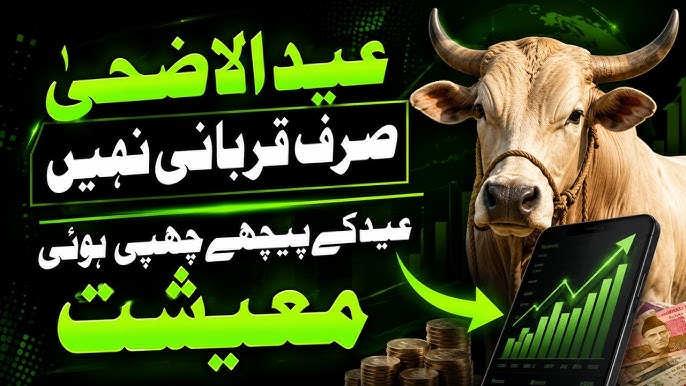
Livestock Economy of Eid ul Adha creates both direct and indirect employment opportunities.
Direct Jobs
- Livestock traders
- Animal handlers
- Market staff
- Butchers
- Veterinarians
Indirect Jobs
- Food vendors
- Transport workers
- Security personnel
- Tent suppliers
- Leather collectors
For many low-income workers, Eid-related employment provides an important source of seasonal income.
Leather Industry and the Value of Animal Hides
One of the most important but often overlooked aspects of the Livestock Economy of Eid ul Adha is the leather industry.
Pakistan has a well-established leather sector that exports products worldwide.
During Eid ul Adha:
- Millions of hides become available
- Charitable organizations collect skins
- Tanneries purchase raw materials
- Leather manufacturers prepare products for export
Proper collection and preservation of hides can generate significant value addition for Pakistan’s export economy.
Digital Transformation of Livestock Trading
Technology is changing traditional livestock markets.
In recent years, farmers and traders have increasingly used:
- Social media platforms
- Online livestock marketplaces
- WhatsApp groups
- Digital payment systems
- Livestock auction websites
Buyers can now view animals online before making purchases.
This digital transformation is making the Livestock Economy of Eid ul Adha more efficient and transparent.
Challenges Facing the Livestock Sector
Despite its economic importance, the sector faces several challenges:
Rising Costs
Increasing prices of feed, transportation, and veterinary care raise production expenses.
Climate Change
Droughts, heatwaves, and water shortages affect livestock productivity.
Disease Management
Animal diseases can significantly impact farmer incomes.
Market Regulation
Price manipulation and inadequate market facilities remain concerns in some regions.
Addressing these challenges could further strengthen the economic benefits of Eid ul Adha.
Why Policymakers Should Pay Attention
Economists often focus on industry, services, and formal commerce. However, the Livestock Economy of Eid ul Adha demonstrates the strength of Pakistan’s informal and rural economy.
Improved policies could include:
- Better veterinary services
- Modern livestock markets
- Livestock insurance schemes
- Digital livestock trading platforms
- Support for leather value chains
Such measures would enhance income opportunities while increasing national economic productivity.
Conclusion
Eid ul Adha is far more than a religious celebration. Behind every sacrificial animal lies a complex economic network that supports farmers, traders, transporters, laborers, veterinarians, charities, and industries across Pakistan.
According to a rough estimate, Eid ul Adha drives around Rs. 641 billion to Rs. 839 billion in economic activity, which equates to roughly 1% of Pakistan’s GDP. It is a massive seasonal cash flow that transfers wealth from urban centers to the rural heartland. Livestock accounts for over 61% of agricultural value-added and employs millions of rural families.
The Livestock Economy of Eid ul Adha channels billions of rupees into rural and urban markets, stimulates employment, strengthens agricultural production, and contributes to national economic growth. As Pakistan seeks sustainable development and rural prosperity, recognizing and supporting this hidden economy will be essential for maximizing its social and economic benefits.
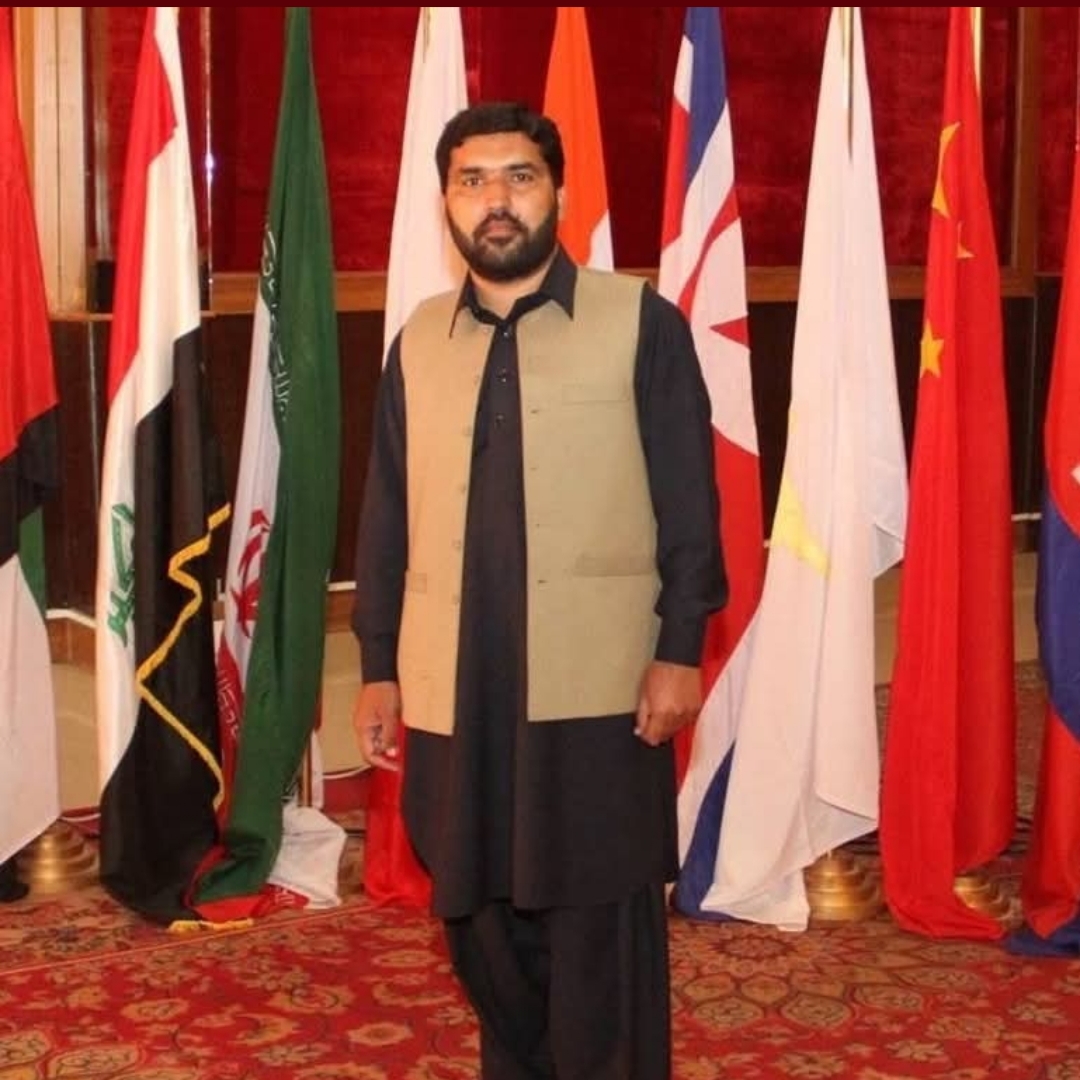
Naeem Akhtar plays a key role in shaping editorial content and maintaining the highest standards of accuracy and clarity. His dedication ensures that PNP’s coverage remains timely, reliable, and impactful for its readers worldwide.