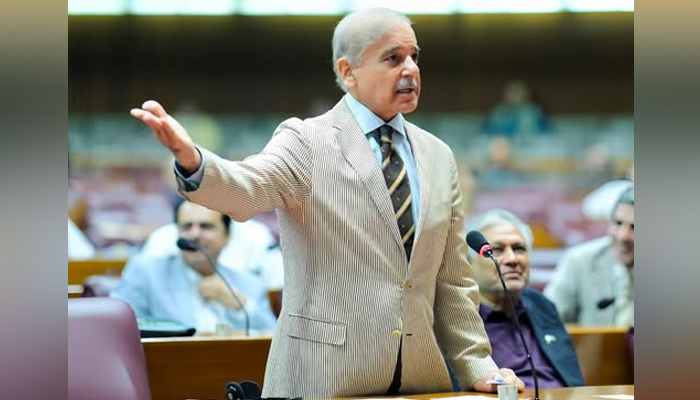
Islamabad (PNP) Shehbaz Sharif Dialogue Offer was renewed on Saturday as Prime Minister Shehbaz Sharif called on opposition parties to engage in meaningful discussions aimed at strengthening Pakistan’s political stability, economic progress, and national development.
Speaking in the National Assembly, the prime minister emphasized the importance of political cooperation and urged all stakeholders to place national interests above partisan differences. He said Parliament represents the democratic voices of all four provinces and serves as the central institution of the federation.

Sharif reiterated that dialogue remains essential for addressing the country’s challenges and building consensus on key national issues.
Shehbaz Sharif Calls for Political Unity
Addressing lawmakers, the prime minister stressed that political rivalry should not undermine efforts to improve Pakistan’s future.
He described opposition members as political counterparts rather than adversaries and said constructive engagement was necessary to address economic and governance challenges.
“The opposition members are our brothers. We have no personal enmity with them,” Sharif told the House, adding that political differences should never come at the expense of the country’s broader interests.
Recalling his time as opposition leader, Sharif said he had previously advocated a “Charter of Economy” designed to establish long-term consensus on economic reforms regardless of which party was in power. According to the prime minister, those efforts did not receive support at the time.
He renewed that invitation, stating that discussions among political forces remain essential and that it is never too late to work together in the national interest.
Political analysts have long argued that Pakistan’s recurring economic challenges require policy continuity and broad political agreement. Successive governments have often struggled to implement long-term reforms due to political polarization and changing policy priorities.
National Security and Counterterrorism Remain Key Priorities
The prime minister also addressed national security concerns during his speech, paying tribute to members of the armed forces who lost their lives while serving the country.
He honored 22 Pakistan Army personnel who were martyred in a recent helicopter crash in Muzaffarabad and praised the sacrifices made by security forces in combating terrorism.
Sharif said terrorist groups, including Khawarij elements, continue to pose security threats in various parts of the country, particularly in Balochistan.
The prime minister defended Pakistan’s border fencing measures along the Afghan frontier, describing them as necessary steps to strengthen national security and improve border management.
“Our soldiers are sacrificing their lives in the fight against terrorism so that the nation’s children may live in peace,” he said.
Pakistan has experienced a rise in militant attacks in recent years, prompting authorities to intensify security operations and strengthen border controls. Security officials have repeatedly emphasized the need for coordinated efforts to address cross-border threats and maintain internal stability.
The government has maintained that improving security conditions remains essential for attracting investment, supporting economic growth, and ensuring long-term development.
Focus on Balochistan Development and Economic Growth
A significant portion of the prime minister’s address focused on provincial development, particularly in Balochistan.
Sharif reaffirmed that all provinces have an undisputed right to benefit from their natural resources and said ensuring balanced development across the country remains a top government priority.
Referring to the Reko Diq mining project, he described the agreement as an example of inclusive development achieved through consultation with stakeholders in Balochistan. The project is widely viewed as one of the largest potential sources of foreign investment and mineral development in Pakistan.
The prime minister said the arrangement ensures that the province receives a meaningful share of the project’s benefits while contributing to national economic growth.
Sharif also highlighted historical measures aimed at supporting provincial rights. He noted that under the 2010 National Finance Commission (NFC) Award, Balochistan’s share was significantly increased following requests from the province. According to the prime minister, Punjab and other provinces supported the arrangement to strengthen national unity and equitable resource distribution.
He stated that Punjab alone had given up approximately Rs11 billion under the formula at the time, an amount that would be worth substantially more today.
The government is also pursuing major infrastructure and energy initiatives in Balochistan. Sharif announced that Rs75 billion has been allocated to provide solar energy solutions for farmers in the province, a move intended to reduce agricultural costs and improve productivity.
In addition, nearly Rs300 billion is being invested in upgrading the strategic Gwadar-to-Chaman highway into a dual carriageway. The project is expected to improve transportation links, facilitate trade, and support economic activity across the province.
Development experts note that infrastructure investments in Balochistan could play a significant role in enhancing regional connectivity, attracting investment, and creating employment opportunities.
Economic Challenges and the Path Forward
The prime minister’s remarks came shortly after the presentation of the federal budget for fiscal year 2026-27, which outlines government spending priorities amid ongoing economic challenges.
Pakistan continues to face pressures related to inflation, fiscal management, energy sector reforms, and sustainable economic growth. Analysts say political stability and policy consistency will be important factors in determining the success of economic reforms and development initiatives.
Sharif argued that cooperation among political parties is necessary to address these challenges effectively. He said national progress requires collective responsibility, mutual respect, and a commitment to long-term objectives.
The government has repeatedly emphasized the need for consensus-based policymaking to ensure continuity in economic reforms and attract domestic and foreign investment.
Conclusion
The renewed Shehbaz Sharif Dialogue Offer reflects the government’s effort to encourage political consensus at a time when Pakistan faces economic, security, and development challenges. Alongside calls for engagement with the opposition, the prime minister highlighted national security concerns, ongoing counterterrorism efforts, and major development initiatives in Balochistan.
By urging political stakeholders to work together, Sharif emphasized that Pakistan’s stability, prosperity, and future growth depend on cooperation across the political spectrum and a shared commitment to national progress.
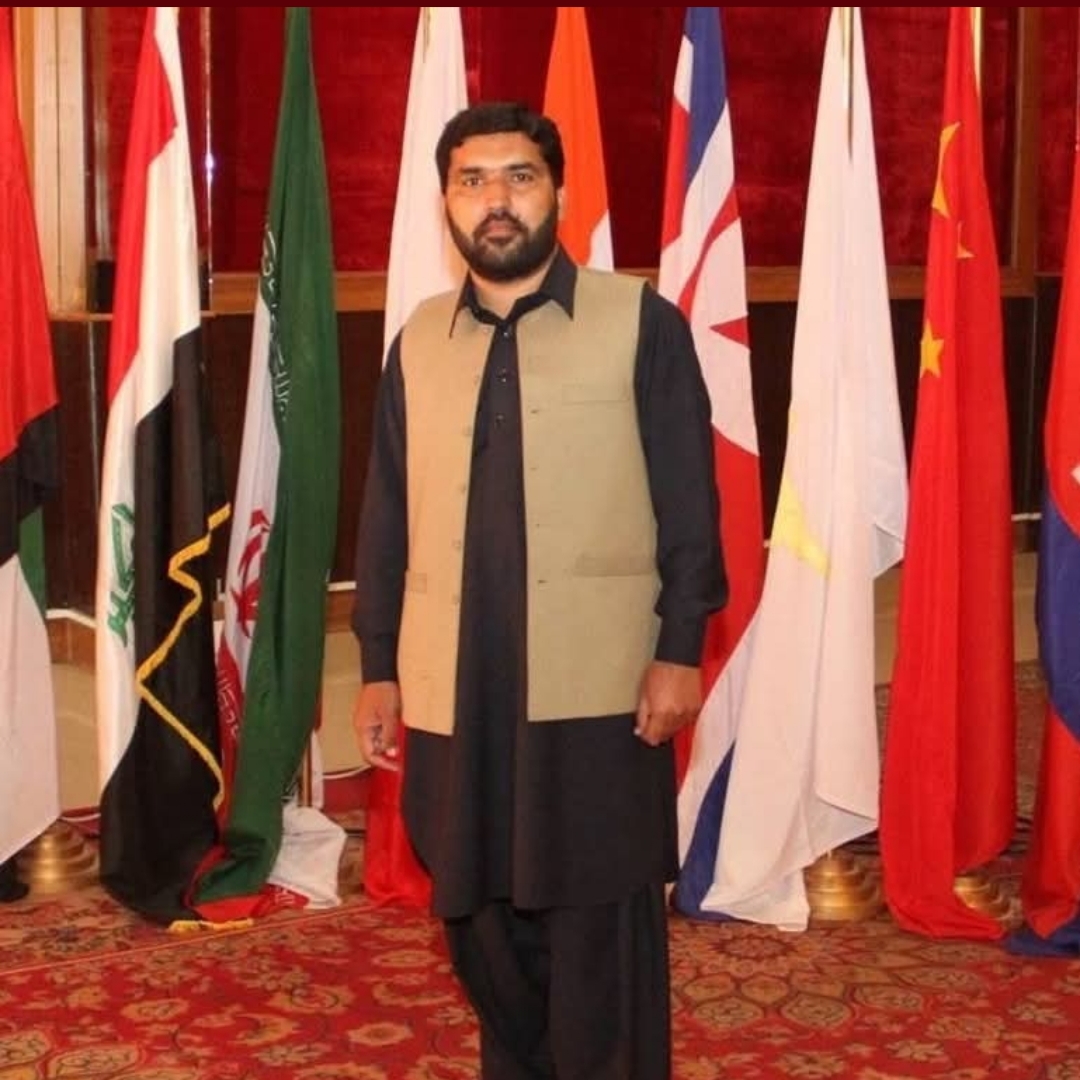
Naeem Akhtar plays a key role in shaping editorial content and maintaining the highest standards of accuracy and clarity. His dedication ensures that PNP’s coverage remains timely, reliable, and impactful for its readers worldwide.