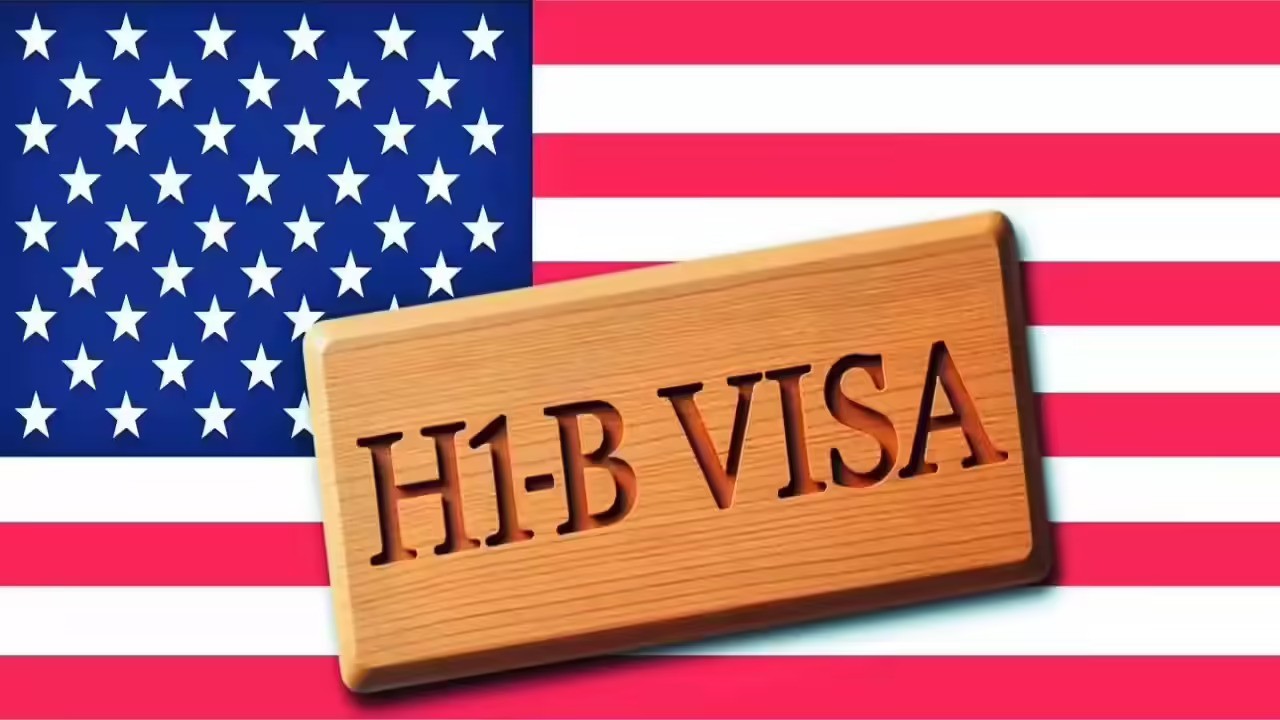
H-1B Visa Fee regulations introduced by the Trump administration faced a significant legal setback after a federal judge ruled that a controversial $100,000 charge on new H-1B visa applications was unlawful. The decision, issued by a federal court in Boston, could have major implications for US immigration policy, technology companies, international professionals, and employers that depend on highly skilled foreign workers.
The ruling comes months after the administration imposed the unprecedented fee requirement, arguing that it would encourage companies to hire more American workers. Critics, however, maintained that the measure would severely restrict access to skilled international talent and increase costs for businesses operating in the United States.
H-1B Visa Fee Challenged in Federal Court
The legal challenge was brought by a coalition of 20 Democratic state attorneys general, who argued that the administration lacked the authority to impose such a large financial burden on employers seeking to hire foreign professionals. According to court filings, the fee represented a dramatic increase from the existing H-1B application costs, which generally ranged between $2,000 and $5,000.
US District Judge Leo Sorokin concluded that the $100,000 H-1B Visa Fee effectively operated as a tax rather than a standard administrative charge. Because Congress had not approved such a tax, the judge found that the executive branch exceeded its legal authority.
The ruling invalidates one of the most controversial immigration measures introduced during the administration’s recent efforts to tighten legal immigration pathways.
Impact on Skilled Workers and US Employers
The H-1B program allows American employers to recruit foreign professionals in specialized occupations, particularly in technology, engineering, healthcare, finance, and scientific research.
Each year, the United States issues 65,000 regular H-1B visas, along with an additional 20,000 visas for applicants holding advanced degrees from US institutions. The program has long been a key source of international talent for major technology firms and multinational corporations.
Industry groups argued that the $100,000 H-1B Visa Fee would discourage companies from hiring highly qualified workers from abroad and could undermine competitiveness in sectors facing labor shortages.
Reports indicated that only a limited number of employers paid the fee after it was introduced, suggesting that many businesses viewed the cost as prohibitively expensive. The legal challenge cited concerns that the policy would negatively affect economic growth, innovation, and workforce development.
The decision is expected to be welcomed by employers, universities, research institutions, and foreign professionals who rely on the H-1B system.
Why the Decision Matters Internationally
The ruling is being closely watched outside the United States because the H-1B visa remains one of the most important pathways for skilled migration to America.
Countries such as India, China, Pakistan, Canada, and several European nations have significant numbers of professionals who seek employment opportunities through the H-1B program. Technology specialists, engineers, doctors, researchers, and academic professionals often depend on the visa category to work in the United States.
For Pakistan, the judgment could be particularly relevant for graduates and professionals pursuing careers in information technology, artificial intelligence, engineering, healthcare, and other specialized sectors. Immigration experts note that reducing regulatory barriers may improve opportunities for qualified applicants seeking employment in the US labor market.
The case also raises broader questions regarding executive authority in immigration matters. Legal analysts say the ruling reinforces the principle that major financial measures affecting immigration programs require clear congressional authorization rather than unilateral executive action.
What Happens Next?
While the court has ruled against the fee, the administration could seek further legal remedies, including an appeal. Government lawyers previously argued that immigration law grants broad authority to regulate entry into the United States and impose related restrictions when considered necessary for national interests.
Legal observers expect the case to remain important because it may influence future immigration policies and define the limits of executive powers in visa regulation.
Employers, immigration attorneys, and international workers are expected to monitor developments closely as the legal process continues.
Conclusion
The federal court decision striking down the H-1B Visa Fee marks a significant development in US immigration policy. By ruling that the $100,000 charge lacked congressional authorization, the court has removed a major financial barrier that many businesses and skilled workers considered excessive. The judgment is likely to have implications not only for American employers and foreign professionals but also for broader debates over immigration policy, executive authority, and global talent mobility.

Dr. H. Zafar is a distinguished writer and analyst associated with Press Network of Pakistan as Associate Editor. With a strong academic background and years of research experience, she brings depth, clarity, and analytical rigor to her writings.