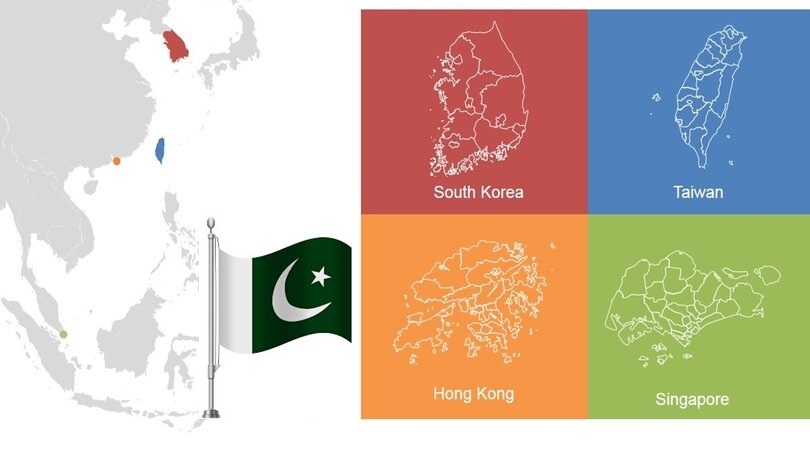
The term “Four Asian Tigers” refers to the remarkable economic success stories of Hong Kong, Singapore, South Korea, and Taiwan—four East Asian economies that transformed themselves from relatively poor post‑war societies into some of the world’s most advanced and prosperous nations.
These economies are celebrated for achieving rapid industrialization, sustained high economic growth, and a dramatic rise in standards of living starting in the 1960s and continuing for decades. Today, they serve as models for economic development and strategic policy planning around the world.
What Are the Four Asian Tigers?
The Four Asian Tigers—also known as the Asian Dragons—are:
-
Hong Kong
-
Singapore
-
South Korea
-
Taiwan
These jurisdictions share a common history of rapid growth driven by export‑oriented strategies, investment in human capital, and integration into the global economy.
Although diverse in size, political background, and economic structure, they each managed to sustain exceptionally high growth rates—often above 7% per year—for several decades. Their economies rose from relatively modest starting points in the mid‑20th century to become some of the wealthiest in the world.
The Origins of the Asian Tigers’ Growth
The emergence of the Four Asian Tigers is often linked to a period of global economic reorganization in the post‑World War II era. As Western economies rebuilt and decolonization reshaped Asia, these four economies embarked on ambitious development journeys.
In each case, government policy played a crucial role—whether through directing investment, liberalizing trade, or nurturing key industries. Their strategies were rooted in several shared pillars:
1. Export‑Led Growth
All Four Asian Tigers prioritized exports as a driver of economic growth. This export‑oriented model focused on producing goods for global markets, from textiles and electronics to automobiles and financial services.
By making their products competitive internationally, these economies tapped into global demand and attracted foreign exchange—critical ingredients for sustained industrialization and economic expansion.
2. High Savings and Investment Rates
These economies maintained high levels of savings, which translated into high rates of investment in infrastructure, education, and technology. Such investments expanded productive capacity and enhanced competitiveness.
Human capital development, in particular, was a priority. Education systems were strengthened, and labor forces became increasingly skilled, helping to support more sophisticated industries over time.
3. Open and Competitive Trade Policies
Trade liberalization, including reduced tariffs and incentives for foreign investment, helped attract capital and technology. By keeping markets open and competitive, the Tigers integrated rapidly into global value chains.
This openness allowed them to specialize in areas where they had competitive advantages—electronics in South Korea and Taiwan, financial services in Hong Kong and Singapore, for example.
Profiles of the Four Asian Tigers
Let’s take a closer look at each of the Four Asian Tigers and what sets them apart:
Hong Kong
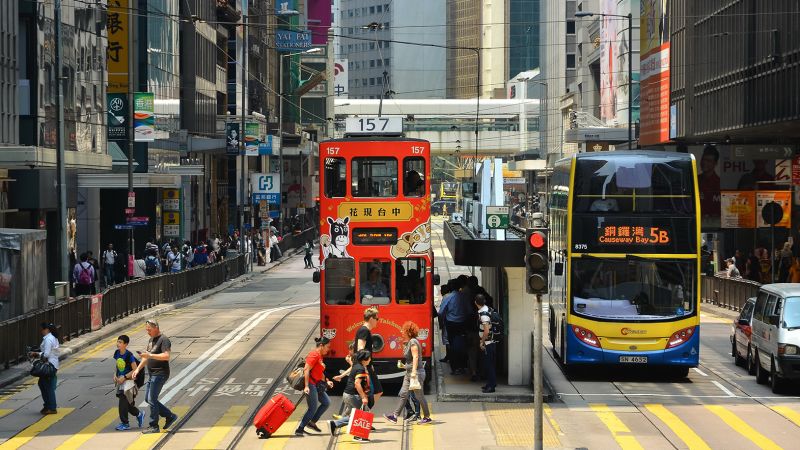
Once a British colony and now a Special Administrative Region of China, Hong Kong became a global financial center and a gateway between China and the rest of the world.
Its economy is known for minimal trade barriers, low taxation, and a vibrant financial services sector. Today, Hong Kong remains one of the world’s most important global financial hubs, with one of the highest GDP per capita figures globally—a testament to its strategic role in international commerce.
Singapore
Singapore’s growth story is equally compelling. A small island city‑state with limited natural resources, Singapore built its future on trade, innovation, and a business‑friendly environment.
With a strategic location on key global shipping routes, strong institutions, and low levels of corruption, Singapore attracts significant foreign investment. Its highly developed economy spans finance, biotechnology, logistics, and manufacturing. Singapore’s GDP per capita is among the highest worldwide.
South Korea
South Korea’s transformation from a war‑torn nation in the 1950s to a leading industrial powerhouse is one of the most dramatic in modern economic history.
Government‑led industrialization policies helped foster the growth of large conglomerates known locally as chaebols such as Samsung and Hyundai, which became globally competitive in sectors like electronics, automobiles, and shipbuilding.
Today, South Korea is recognized for its technological innovation, dynamic economy, and global brands that compete on the world stage.
Taiwan
Taiwan’s economic rise has been driven by technology‑intensive industries, particularly semiconductors, where companies like TSMC have become indispensable players in global supply chains.
Despite geopolitical tensions, Taiwan has leveraged its industrial strengths and export networks to maintain strong growth and high standards of living.
Shared Characteristics Driving Success
While each Tiger’s story is unique, several common characteristics underpin their success:
Human Capital Development
Investing in education and workforce skills helped all four economies transition from labor‑intensive industries to knowledge‑ and technology‑intensive sectors.
Macroeconomic Stability
Fiscal discipline, sound monetary policies, and managed economic liberalization helped the Tigers weather global crises—such as the Asian Financial Crisis of 1997 and the Global Financial Crisis of 2008—better than many other economies.
Innovation and Industry Adaptation
Over time, the Tigers moved up the value chain:
-
From basic manufacturing to electronics and high tech in South Korea and Taiwan,
-
From trade and logistics to financial services and tech hubs in Hong Kong and Singapore.
Global Impact and Legacy
The success of the Four Asian Tigers has inspired other countries to pursue similar strategies, leading to the emergence of tiger cub economies such as Malaysia, Thailand, and Indonesia.
Economists and policymakers often study the Tigers to understand how targeted investment, open trade policies, and human capital development can spur rapid economic growth.
Conclusion: Lessons for Pakistan
The economic success of the Four Asian Tigers holds important lessons for Pakistan as it seeks to accelerate its own development trajectory. Pakistan, with its strategic location, young population, and natural resources, has immense potential, but it faces significant challenges including energy shortages, political instability, and infrastructural bottlenecks.
To emulate the Tigers, Pakistan needs to:
-
Prioritize export-led growth by developing competitive industries that can meet global demand.
-
Invest heavily in human capital, including education and skills training, to create a workforce ready for high-tech and knowledge-based sectors.
-
Maintain macroeconomic stability through sound fiscal and monetary policies.
-
Encourage an open and business-friendly environment that attracts foreign investment and fosters innovation.
-
Build infrastructure and institutions that support seamless integration into global value chains.
By learning from the strategic choices of the Four Asian Tigers, Pakistan can set a foundation for sustainable economic growth, job creation, and improved living standards for its people.
Dr. Mohammad Arif is a development-focused analyst and academic with a strong interest in comparative economic models, emerging Asian economies, and Pakistan’s growth challenges. His writings critically examine global success stories to extract practical lessons for policy reform, institutional strengthening, and sustainable development in Pakistan.