ISLAMABAD: The federal cabinet has decided to take steps to impose both an emergency and governor’s rule in Khyber Pakhtunkhwa (KP), according to government sources, amid growing concerns over the province’s law and order situation and increasing terrorist attacks.
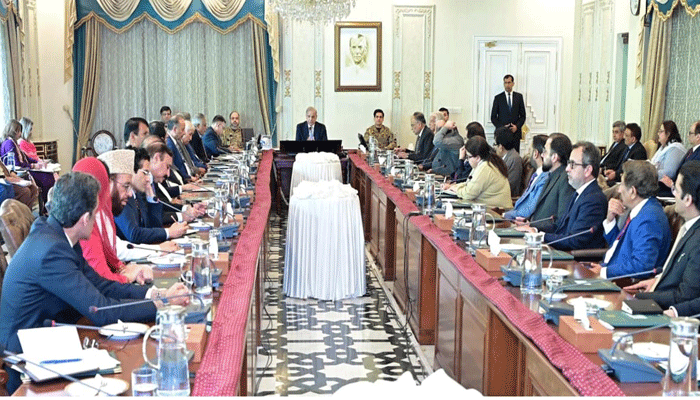
A federal cabinet meeting, chaired by Prime Minister Shehbaz Sharif, is underway to review the security and administrative situation in the province. Interior Minister Mohsin Naqvi, Defence Minister Khawaja Asif, Rana Sanaullah, Salik Hussain, Attaullah Tarar and other cabinet members are attending the meeting.
According to sources, the cabinet has decided to pursue measures under Articles 232 and 234 of the Constitution concerning the imposition of an emergency and governor’s rule. The proposed measures also cover the former Federally Administered Tribal Areas (FATA) and adjoining regions.
Special security reports prepared by the Khyber Pakhtunkhwa Police and intelligence agencies have been presented to the prime minister and the cabinet. The meeting is reviewing the increase in terrorist incidents, security challenges, governance issues and measures required to restore peace and stability in the province.
Security Report Records 195% Increase in Terrorist Incidents
According to the reports presented at the meeting, terrorist incidents in Khyber Pakhtunkhwa increased by 195 per cent between March 1, 2024, and September 23, 2026.
The reports identified terrorist elements operating from Afghanistan, local facilitators, and what the reports described as shortcomings in the provincial government’s policies and a soft approach towards militants as factors contributing to the deteriorating security situation. They also highlighted gaps in provincial preparedness and counterterrorism measures.
According to the report, police and security agencies were the targets of 73 per cent of terrorist attacks recorded in the province during 2026.
The report also highlighted a sharp rise in the use of drones by militants. While no drone attacks against police and security forces were reported in 2024, the number reportedly reached 170 in 2026, representing an increase of approximately 107 per cent over the preceding year, according to the report.
The number of improvised explosive device (IED) attacks also increased, reaching 181 in 2025. A further 159 such attacks were recorded by September 2026.
Shortage of Police Personnel and Modern Equipment
The security assessment highlighted significant capacity gaps within the provincial police and the Counter Terrorism Department (CTD).
According to the report, more than 9,000 positions in the Khyber Pakhtunkhwa Police remain vacant. The police and CTD are also facing shortages of modern weapons, operational equipment, surveillance systems, intelligence-gathering tools, night-vision devices and thermal-imaging equipment.
The report noted that the Safe City project, intended to strengthen urban security through surveillance and monitoring, remains limited to Peshawar rather than covering the entire province.
It also highlighted a shortage of armoured and protected vehicles in the southern districts most affected by terrorism, saying the lack of such vehicles has affected police mobility and operational capabilities.
The police in the merged districts are reportedly facing shortages of training, resources and operational capacity.
The CTD, despite its specialised counterterrorism role, is facing a serious shortage of specially trained personnel and continues to rely on the regular police for manpower. Its district offices, operational facilities and specialised infrastructure were also described as inadequate to meet growing security requirements.
The report stressed the need to strengthen law enforcement agencies to respond to evolving terrorist tactics and improve the CTD’s operational capacity.
Cabinet Committee Expresses Concern Over Security Situation
The cabinet committee expressed serious concern over the rise in terrorist attacks, institutional weaknesses and governance-related issues in Khyber Pakhtunkhwa, according to government sources.
The meeting is reviewing gaps in security preparedness, the capacity of law enforcement agencies and the effectiveness of counterterrorism measures, alongside the responsibilities of relevant authorities in addressing the deteriorating law and order situation.
Sources said major constitutional and administrative decisions concerning the province were expected following the cabinet’s deliberations.
President, Prime Minister Discuss Security Situation
A day earlier, President Asif Ali Zardari met Prime Minister Shehbaz Sharif to discuss the country’s overall political and security situation.
According to sources, an understanding has also been reached regarding the possible imposition of governor’s rule or an emergency in Khyber Pakhtunkhwa.
Separate sessions of the National Assembly and Senate have been scheduled for October 13, according to the sources.
This report is based on information attributed to government sources and security reports presented at the cabinet meeting. The reported decision and proposed constitutional measures have not been independently verified here.
For publication, it is important to distinguish the reported cabinet decision from an officially confirmed order. News reports dated October 11 say the cabinet was considering the constitutional measures, while Dawn reported that no official government announcement had been made at that stage.
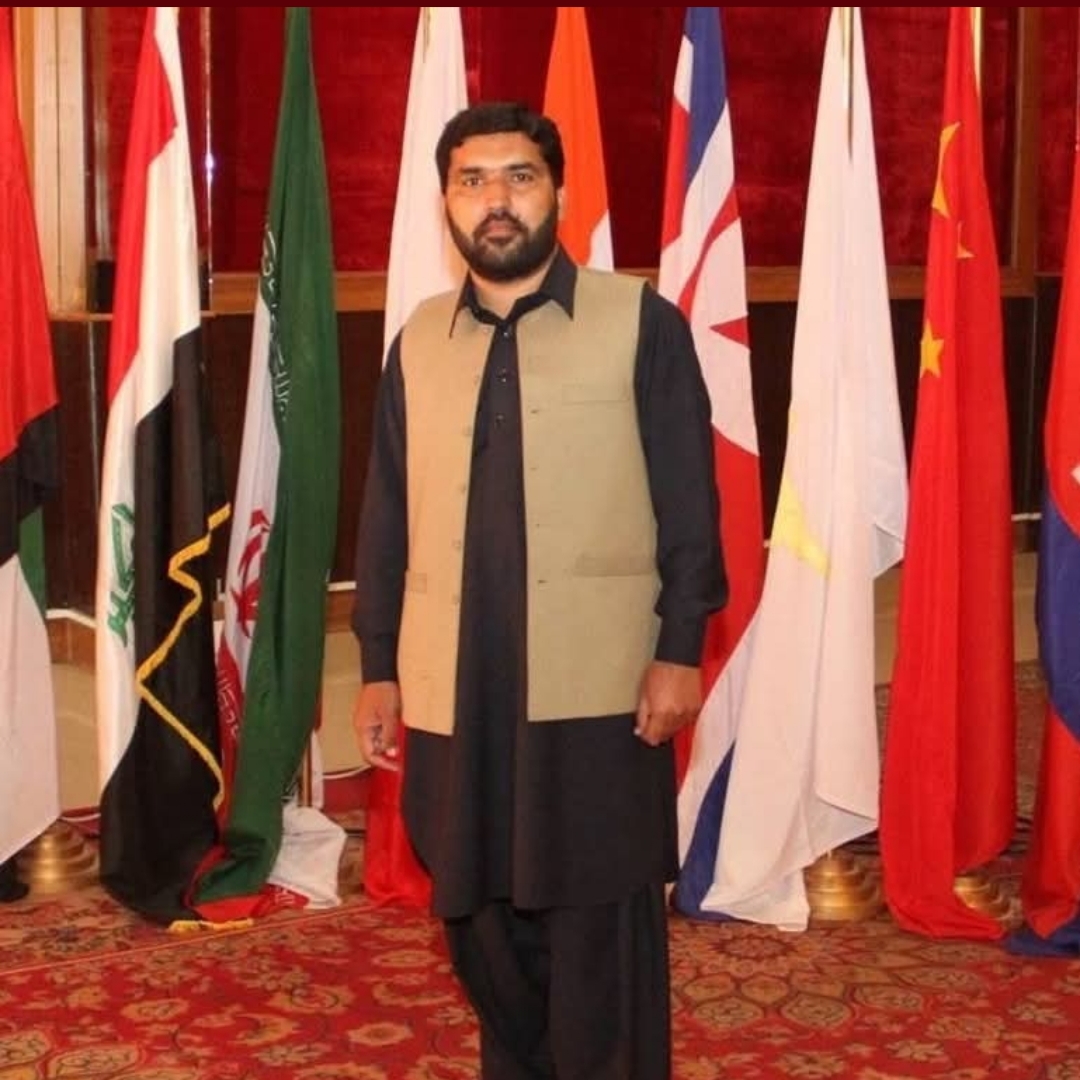
Naeem Akhtar plays a key role in shaping editorial content and maintaining the highest standards of accuracy and clarity. His dedication ensures that PNP’s coverage remains timely, reliable, and impactful for its readers worldwide.