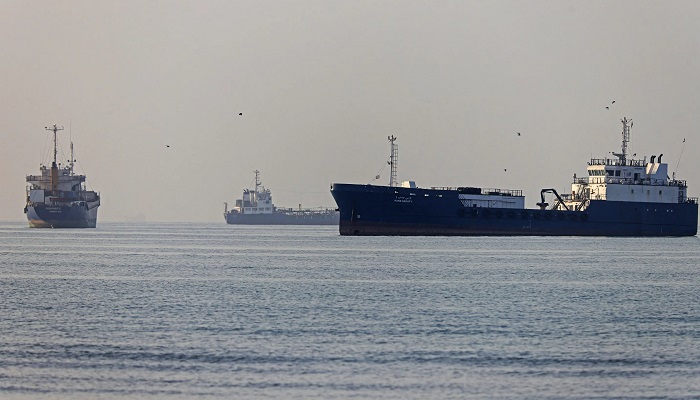
The recovery of Hormuz Strait Shipping is expected to take several weeks even after diplomatic efforts to end the recent Iran conflict, according to the head of one of the world’s largest tanker operators.
Industry executives say shipping companies remain cautious about returning vessels to one of the world’s most strategically important maritime routes until there is clear evidence that security conditions have stabilized. The Strait of Hormuz serves as a critical gateway for global energy supplies, carrying a significant share of international oil and liquefied natural gas (LNG) exports.
Hormuz Strait Shipping Faces Extended Recovery Period
Speaking to the Financial Times, Jotaro Tamura, chief executive of Japanese shipping giant Mitsui O.S.K. Lines (MOL), said vessel operators would require more than a diplomatic agreement before resuming normal operations through the Strait of Hormuz.
According to Tamura, shipping companies need confidence that any political settlement between Washington and Tehran is being reflected in real-world conditions across the waterway.
“What will have to come in place is not just a simple agreement between the relevant countries, but it has to be material and translated into the real situations in the Strait of Hormuz,” Tamura told the newspaper.
He added that shipping firms would likely remain cautious due to recent events in the region and suggested that a full return to normal transit could take at least several weeks and potentially up to a month.
Mitsui O.S.K. Lines is among Japan’s largest shipping companies, operating a fleet of more than 900 vessels, including oil tankers, LNG carriers, bulk carriers and passenger ferries.
Strategic Importance of the Strait of Hormuz
The Strait of Hormuz is one of the world’s most critical maritime chokepoints. Located between Iran and Oman, the narrow waterway connects the Persian Gulf to global markets through the Gulf of Oman and the Arabian Sea.
Energy analysts estimate that roughly one-fifth of global oil consumption and a substantial portion of worldwide LNG exports pass through the strait. The route is also vital for shipments of petrochemicals, aluminum, fertilizers and other industrial commodities.
The recent conflict involving Iran, the United States and Israel significantly disrupted maritime traffic in the region. Industry observers reported a sharp decline in commercial shipping activity as operators reassessed security risks and insurance costs.
Many shipping companies temporarily diverted vessels, delayed cargo movements or adopted enhanced security measures as tensions escalated.
The disruption highlighted the vulnerability of global supply chains to geopolitical instability in the Middle East. Any prolonged interruption in the strait has the potential to affect energy prices, freight costs and commodity markets worldwide.
U.S.-Iran Agreement Brings Hope but Questions Remain
The comments from the MOL chief were made before U.S. President Donald Trump announced an agreement aimed at ending the conflict involving Iran.
Trump later stated on his Truth Social platform that oil tankers had begun moving through the region again. He said vessels carrying crude oil were traveling along what he described as a safe southern route through the waterway.
Despite the announcement, shipping executives remain focused on operational realities rather than political declarations. Industry leaders are monitoring whether commercial vessels can transit safely without facing threats, delays or elevated insurance premiums.
According to the Financial Times report, Tamura’s assessment did not change even as negotiations between Washington and Tehran progressed toward a final agreement.
Maritime security experts note that confidence in international shipping routes often takes time to rebuild after military confrontations. Vessel operators, insurers and cargo owners typically require sustained evidence of stability before restoring normal schedules and capacity.
Impact on Global Energy Markets
The cautious approach adopted by major shipping companies could have implications for energy markets even if hostilities have ended.
Oil traders, refiners and LNG buyers closely watch conditions in the Strait of Hormuz because disruptions can affect delivery schedules and transportation costs. Although energy prices often react immediately to geopolitical developments, shipping patterns may take longer to normalize.
For Asian economies, including Japan, South Korea, China, India and Pakistan, uninterrupted access to Gulf energy supplies is particularly important. Many countries in the region depend heavily on crude oil and LNG imports from producers in the Middle East.
Any prolonged reduction in shipping activity could influence freight rates and supply-chain planning for energy importers.
Pakistan, which imports a significant portion of its energy requirements, could also be affected by developments in the Gulf. Stability in the Strait of Hormuz helps support predictable energy supplies and reduces the risk of additional costs being passed on through international markets.
Maritime Industry Prioritizes Security
Shipping companies have increasingly emphasized risk management in recent years as geopolitical tensions have affected several major trade corridors around the world.
Industry analysts say vessel operators are likely to continue evaluating security conditions, naval patrols, insurance requirements and regional diplomatic developments before fully restoring traffic through the strait.
The maritime sector’s cautious response underscores the importance of confidence and predictability in global trade. While diplomatic agreements can reduce tensions, commercial operators often wait for sustained improvements on the ground before adjusting long-term operational decisions.
Conclusion
Although diplomatic efforts between the United States and Iran have raised hopes for a return to stability, major shipping operators believe normal traffic through the Strait of Hormuz may not resume immediately. Industry leaders are seeking tangible improvements in security conditions before increasing vessel movements through the vital energy corridor.
Given the waterway’s central role in global oil and LNG trade, the pace of recovery in Hormuz Strait Shipping will remain a key factor for energy markets, international commerce and regional economic stability in the weeks ahead.

Naeem Akhtar plays a key role in shaping editorial content and maintaining the highest standards of accuracy and clarity. His dedication ensures that PNP’s coverage remains timely, reliable, and impactful for its readers worldwide.