

ISLAMABAD: The federal government has announced changes to the Coal Import Duty structure under Budget 2026-27 as part of broader fiscal and energy-sector reforms linked to commitments under Pakistan’s ongoing program with the International Monetary Fund (IMF).
The measure, unveiled during the federal budget presentation, is intended to streamline taxation in the energy sector, improve industrial competitiveness, and align customs policies with wider economic reform objectives. Officials say the move forms part of a comprehensive strategy aimed at enhancing economic efficiency while maintaining fiscal stability.
The development comes at a time when Pakistan is pursuing structural reforms to strengthen public finances, support industrial growth, and address long-standing challenges in the energy sector.
Coal Import Duty Revised Under Budget 2026-27
According to budget documents and official statements, the government has approved a reduction in duties and taxes applicable to imported coal used by specific industries.
The revision was introduced as part of measures negotiated within the framework of Pakistan’s economic reform agenda and ongoing engagement with the IMF.
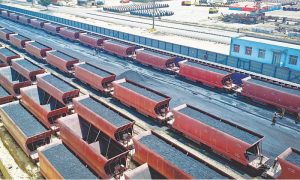
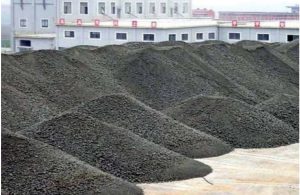
Officials argue that lowering the tax burden on imported coal could help reduce production costs for industries that rely heavily on coal as an energy source, particularly sectors involved in manufacturing, cement production, and other energy-intensive operations.
The government maintains that the policy is designed to improve competitiveness and support industrial output while ensuring compliance with broader fiscal targets.
Economic managers have emphasized that customs and tax reforms remain a central component of Pakistan’s strategy to expand economic activity and attract investment.
The latest adjustment of coal import duty reflects efforts to rationalize duties across various sectors and remove distortions that may increase production costs for businesses.
IMF Program and Broader Economic Reforms
The decision regarding the Coal Import Duty comes amid Pakistan’s implementation of reforms aimed at meeting economic targets agreed upon with the IMF.
 Over recent years, Pakistan has undertaken a series of measures focused on tax administration, revenue generation, public-sector efficiency, and energy-sector sustainability.
The IMF has consistently encouraged structural reforms intended to improve fiscal management, strengthen economic resilience, and create conditions for sustainable growth.
Budget 2026-27 includes several policy initiatives aimed at broadening the tax base, improving revenue collection mechanisms, and supporting key sectors of the economy.
Government officials say the coal import duty revision should be viewed within the context of a wider reform package rather than as an isolated policy measure.
Energy remains one of the most significant components of Pakistan’s economic framework. Industrial consumers frequently cite energy costs as a major factor affecting competitiveness and production planning.
Analysts note that reducing input costs for energy-intensive industries can potentially support manufacturing activity and exports, although the long-term impact depends on broader economic conditions and energy market trends.
The reform also reflects ongoing efforts to simplify the taxation structure and reduce inefficiencies within customs and import policies.
Impact on Industry, Energy Markets and Pakistan’s Economy
Industry representatives have generally welcomed the coal import duty measures aimed at lowering operational costs, arguing that competitive energy pricing is essential for sustaining growth and investment.
Sectors such as cement, manufacturing, and industrial processing rely significantly on imported coal for power generation and production processes. Lower import-related costs could contribute to improved efficiency and cost management.
Economic experts caution, however, that the overall impact will depend on global coal prices, exchange rate movements, and domestic energy policies.
Pakistan’s energy sector continues to face multiple challenges, including fuel procurement costs, circular debt, infrastructure modernization, and the transition toward a more diversified energy mix.
The government’s decision may also have implications for investment planning. Reduced duties can influence business decisions regarding production capacity, industrial expansion, and long-term energy procurement strategies.
From a fiscal perspective, policymakers are attempting to balance industrial support with revenue requirements. Maintaining this balance remains important as Pakistan seeks to strengthen public finances while encouraging economic growth.
For international investors and development partners, the reform signals continued progress toward implementing policy commitments associated with Pakistan’s economic stabilization program.
The development is also relevant for regional trade and manufacturing competitiveness. Countries across South Asia continue to pursue strategies aimed at reducing industrial costs and enhancing export performance.
 For Pakistan, improving industrial efficiency remains a critical objective as authorities seek to expand economic activity, create employment opportunities, and strengthen external trade performance.
The revision of the Coal Import Duty under Budget 2026-27 represents an important component of Pakistan’s ongoing economic and energy-sector reforms. By adjusting import-related taxes on coal, the government aims to reduce industrial costs, support manufacturing activity, and advance commitments associated with its IMF-backed reform agenda.
As implementation begins, policymakers, industry stakeholders, and economic observers will closely monitor the measure’s impact of coal import duty relief on production costs, industrial competitiveness, and broader economic performance in the coming fiscal year.

Dr. H. Zafar is a distinguished writer and analyst associated with Press Network of Pakistan as Associate Editor. With a strong academic background and years of research experience, she brings depth, clarity, and analytical rigor to her writings.