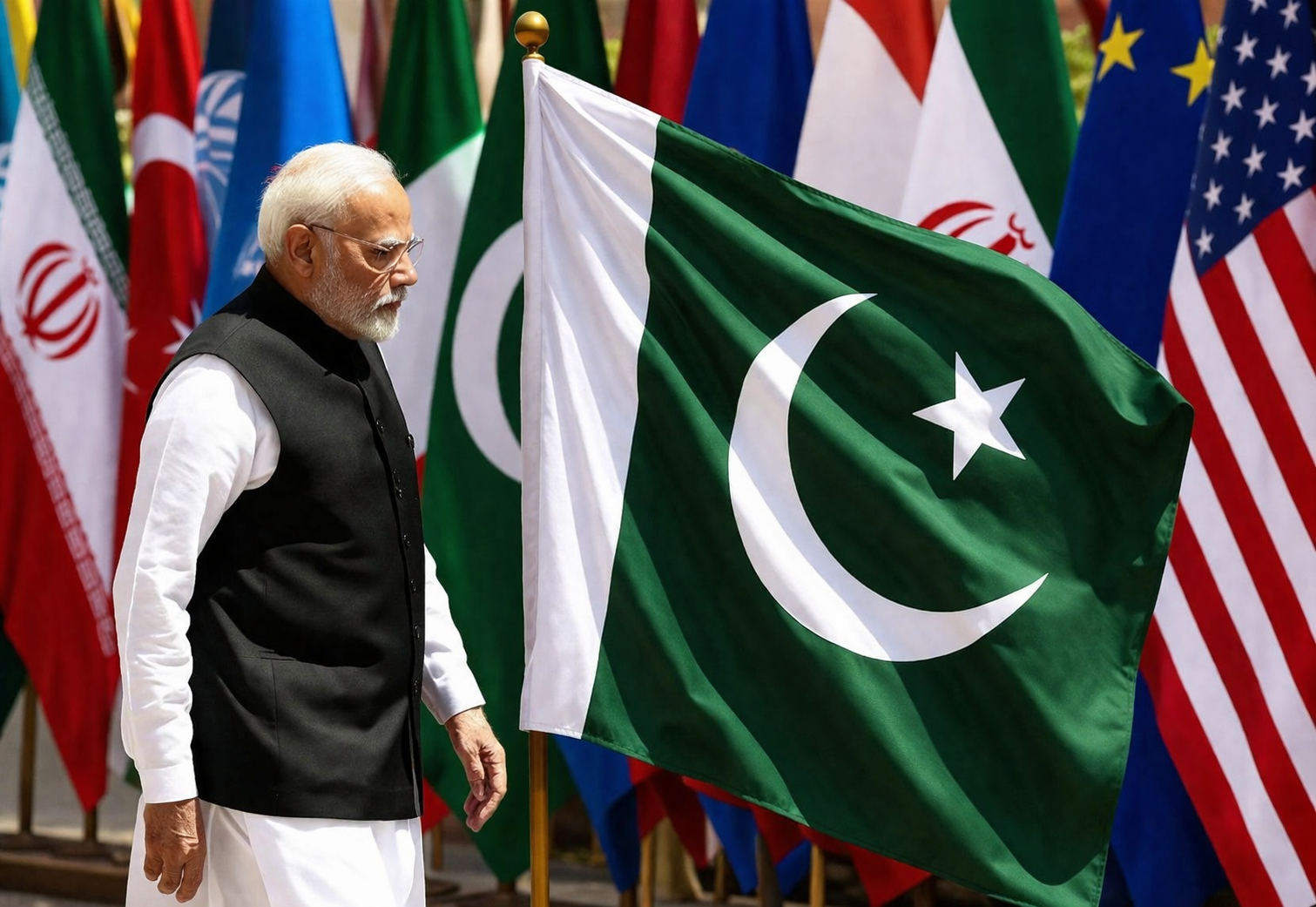
Failure of Indian Attempts for Diplomatic Isolation of Pakistan has become increasingly evident in recent geopolitical developments, particularly in the context of the recent US-Iran ceasefire. While India has long pursued a strategy aimed at diplomatically isolating Pakistan on the global stage, unfolding events have demonstrated quite the opposite. Pakistan’s proactive diplomacy, especially its role in facilitating dialogue between the United States and Iran, has not only elevated its international standing but also exposed the limitations of India’s foreign policy approach.
Let’s analyzes how India’s diplomatic efforts have struggled, why Pakistan’s global relevance is rising, and what this means for regional and global geopolitics.
Background: India’s Isolation Policy vs Pakistan’s Diplomacy
For years, India has attempted to portray Pakistan as a state that should be diplomatically marginalized due to security and political concerns. This strategy intensified under Prime Minister Narendra Modi’s government, with repeated efforts to influence global opinion against Pakistan.
However, recent events—particularly the ceasefire between the United States and Iran—have challenged this narrative. Pakistan emerged as a key facilitator, while India remained largely on the sidelines.
India’s Response: Silence and Strategic Discomfort
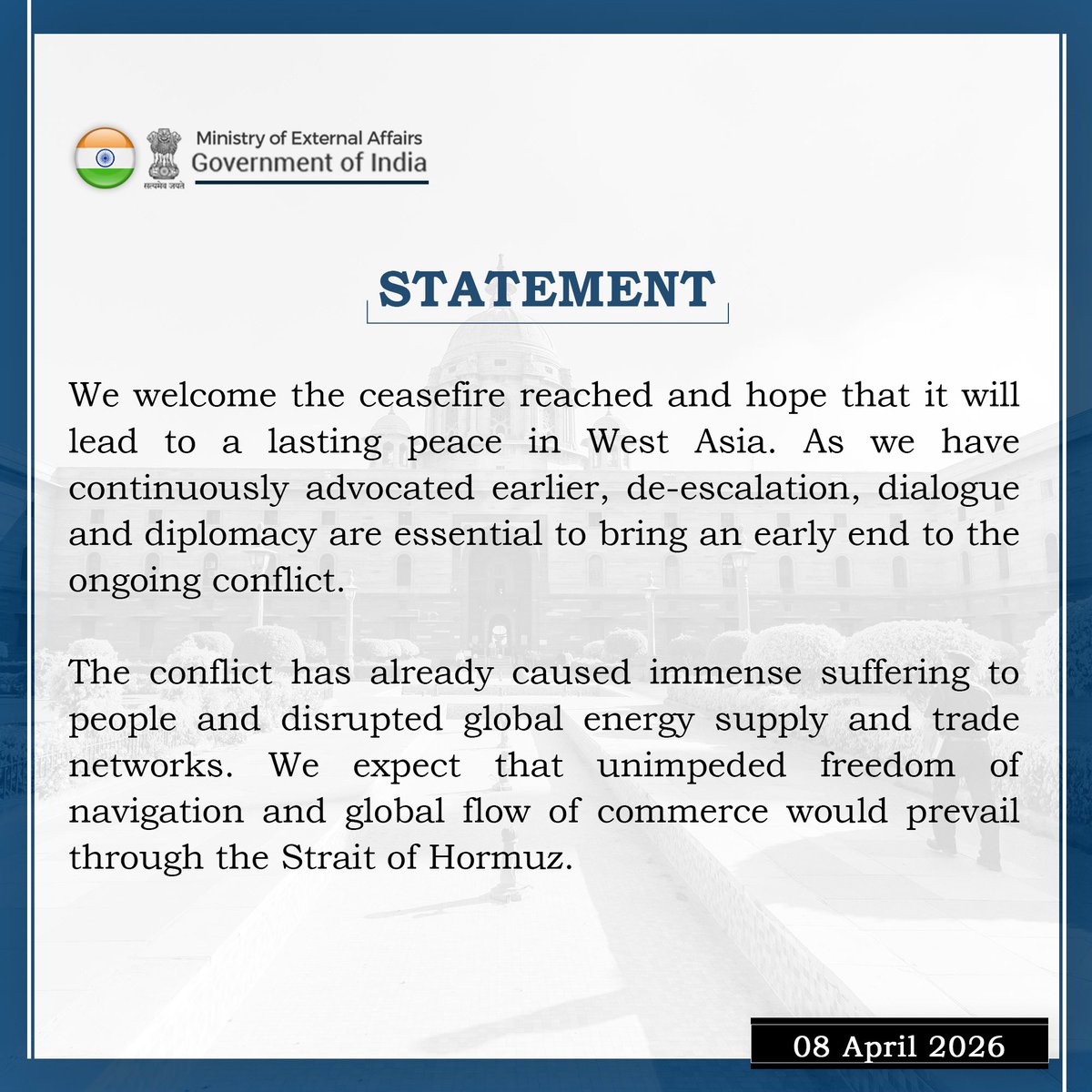
India officially welcomed the ceasefire but notably avoided mentioning Pakistan’s role. The Indian Ministry of External Affairs emphasized the importance of diplomacy and peace but refrained from acknowledging Islamabad’s mediation efforts.
This silence is significant. At a time when global leaders praised Pakistan, India’s omission suggested discomfort rather than confidence. It highlighted a gap between India’s diplomatic messaging and global perceptions.
Pakistan’s Role: From Regional Player to Global Mediator
Pakistan’s involvement in easing tensions between the United States and Iran marked a major diplomatic achievement. Islamabad reportedly acted as a communication channel, facilitating backchannel diplomacy, extending deadlines, and helping secure a two-week ceasefire window.
This role is not unprecedented. Historically, Pakistan has acted as a bridge between global powers, including facilitating rapprochement between the United States and China during the Cold War.
Today, Pakistan’s ability to engage with multiple stakeholders—including the US, Iran, China, Russia, and Gulf countries—demonstrates its strategic importance.
Indian Opposition and Analysts Acknowledge Reality
Interestingly, criticism of India’s diplomatic approach is not limited to external observers. Indian opposition leaders, journalists, and analysts have openly acknowledged Pakistan’s role.
- Opposition figures argued that India missed an opportunity to lead peace efforts.
- Analysts highlighted Pakistan’s credibility with both Western and regional powers.
- Some commentators even described the situation as a diplomatic setback for India.
A senior Indian political figure remarked that India should have played the role Pakistan did, while others criticized the government’s perceived alignment with specific regional narratives.
Failure of Indian Attempts for Diplomatic Isolation of Pakistan
1. Pakistan’s Multi-Vector Foreign Policy
Pakistan maintains relationships with diverse global actors, including:
- United States
- China
- Russia
- Iran
- Gulf nations
This balanced diplomacy makes isolation nearly impossible.
2. Strategic Mediation Capability
Pakistan’s role as a mediator enhances its credibility. The recent ceasefire reinforced its image as a responsible global actor capable of conflict resolution.
3. India’s Selective Diplomacy
India’s perceived alignment with certain regional actors has limited its ability to act as a neutral mediator. This reduces its effectiveness in complex geopolitical conflicts.
4. Global Recognition of Pakistan’s Efforts
World leaders and international media acknowledged Pakistan’s role in facilitating dialogue. This recognition directly contradicts India’s isolation narrative.
5. Internal Criticism Within India
When domestic voices question foreign policy effectiveness, it weakens the overall diplomatic stance. Indian analysts and opposition leaders have openly criticized the government’s approach.
6. Historical Precedents Favor Pakistan
Pakistan’s past diplomatic successes, such as facilitating US-China rapprochement, strengthen its credibility in global diplomacy.
7. India’s Reactive Rather Than Proactive Approach
India’s response to the ceasefire appeared reactive, while Pakistan took proactive steps to shape outcomes.
Comparative Analysis: India vs Pakistan Diplomacy
| Aspect | Pakistan | India |
|---|---|---|
| Diplomatic Approach | Multi-vector, balanced | Selective, interest-driven |
| Role in US-Iran Crisis | Active facilitator | Passive observer |
| Global Perception | Peace mediator | Regional power with limitations |
| Domestic Narrative | Confidence in diplomacy | Internal criticism and debate |
| Strategic Partnerships | Diverse (US, China, Iran, Gulf states) | Limited flexibility |
| Crisis Response | Proactive | Reactive |
Media Narratives and Global Perception
International media widely praised Pakistan’s diplomatic efforts, describing it as a stabilizing force in a volatile region. In contrast, India’s absence from meaningful mediation raised questions about its global leadership aspirations.
Even within India, media voices urged introspection. Analysts called for a reassessment of foreign policy priorities, emphasizing the need for constructive engagement rather than strategic silence.
Economic and Strategic Implications
The ceasefire had significant global economic implications, particularly in energy markets. Stability in the Strait of Hormuz is crucial for oil supply chains, directly affecting countries like India.
Ironically, the easing of tensions—facilitated by Pakistan—benefits India economically. This underscores the interconnected nature of global diplomacy, where even rival nations indirectly benefit from each other’s successes.
Lessons for India’s Foreign Policy
India’s experience offers several lessons:
- Engagement Over Isolation: Attempting to isolate a country with strong global ties is ineffective.
- Neutral Mediation Matters: Credibility in diplomacy requires perceived neutrality.
- Domestic Consensus is Crucial: Internal criticism can weaken international positioning.
- Proactive Strategy Wins: Shaping events is more effective than reacting to them.
The Way Forward
India has the potential to play a significant role in global diplomacy, but it must recalibrate its approach. Constructive engagement, strategic neutrality, and acknowledgment of geopolitical realities are essential.
For Pakistan, the challenge is to sustain this momentum and translate diplomatic success into long-term strategic and economic gains.
Conclusion
The failure of Indian Attempts for diplomatic isolation of Pakistan is not just a short-term development but a reflection of deeper geopolitical dynamics. Pakistan’s successful mediation efforts and growing global recognition highlight its strategic relevance, while India’s approach reveals the limitations of isolation-based policies.
In an interconnected world, diplomacy is no longer about exclusion but engagement. The recent US-Iran ceasefire serves as a powerful reminder that influence is earned through action, credibility, and trust—not merely ambition.