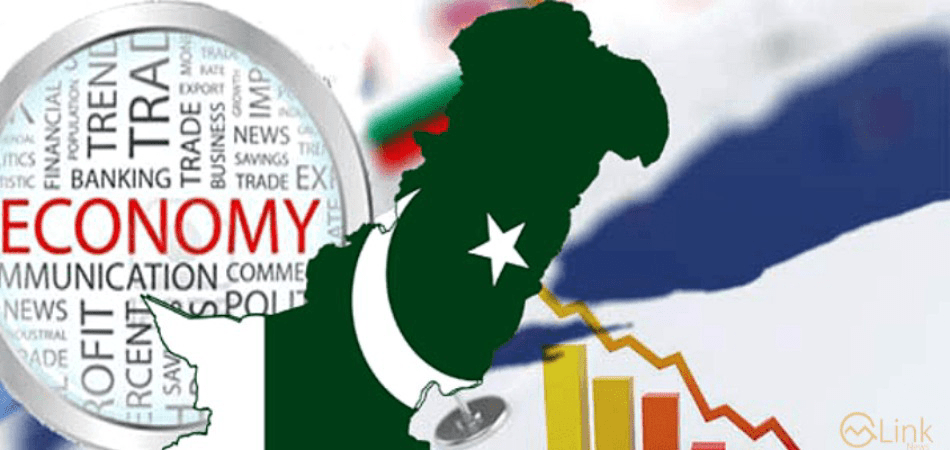
In recent years, Pakistan has been facing a challenging economic environment shaped by rising inflation, global uncertainties, and increasing financial pressures. For many citizens, the cost of living has steadily climbed, making everyday life more difficult. At the same time, policymakers are working to stabilize the economy and implement reforms that can support long-term development and national progress.
The country’s economic scenario today reflects both challenges and opportunities. While financial pressures have created hardships for households and businesses, ongoing policy reforms aim to strengthen economic management, improve governance, and build a more sustainable economic system. The government has been focusing on measures that seek to balance fiscal responsibility with the welfare needs of the population.
Economic Challenges in a Changing Global Environment
Pakistan’s economic challenges are not isolated from global developments. Around the world, many countries have experienced economic disruptions due to fluctuating energy prices, geopolitical tensions, and changing trade patterns. These international trends have directly affected developing economies like Pakistan, where dependence on imports and external financing can make the economy vulnerable to external shocks.
 For ordinary citizens, the most visible impact of these challenges is the rising cost of essential goods and services. Prices of food, fuel, electricity, and other necessities have increased significantly in recent years. As a result, many families are struggling to maintain their standard of living, and businesses are finding it harder to manage operational costs.
Despite these difficulties, policymakers continue to explore solutions that can help stabilize the economy while ensuring that economic reforms remain sustainable in the long run.
Reforms for Strengthening Economic Stability
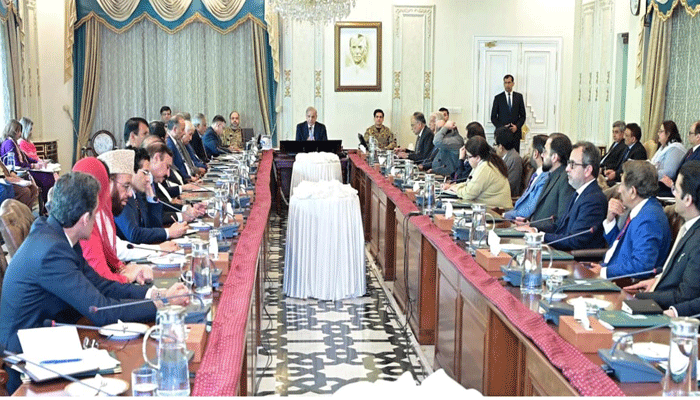
One of the key priorities for Pakistan’s policymakers has been maintaining economic stability. Fiscal discipline has become an important focus area, as the country has faced persistent budget deficits and rising public debt over the years. To address these challenges, authorities have introduced various measures aimed at controlling government spending and improving financial management.
These reforms include tightening oversight of public expenditures, increasing transparency in financial decisions, and strengthening tax collection systems. The goal is to ensure that government resources are used more efficiently and that the country gradually reduces its reliance on external borrowing.
Economic experts often emphasize that such reforms are necessary for building long-term financial stability. Although these measures can sometimes be difficult in the short term, they are intended to create a stronger economic foundation that benefits the country in the future.
At the same time, the government has acknowledged that economic reforms must not ignore the needs of vulnerable communities. Social protection programs and targeted support for low-income households remain important components of the broader economic strategy.
The Impact of Inflation on Daily Life
Inflation has emerged as one of the most pressing issues affecting people across Pakistan. The rising cost of living has made it increasingly difficult for many families to manage their monthly expenses. Basic necessities such as groceries, fuel, and transportation have become more expensive, putting pressure on household budgets.
 Economic analysts point out that several factors contribute to inflation in Pakistan. Global energy prices, currency fluctuations, and supply chain disruptions all play a role in driving prices upward. Additionally, structural challenges within the domestic economy can sometimes intensify these pressures.
To address inflation, policymakers have been exploring different strategies, including improving market monitoring, regulating essential commodities, and ensuring a stable supply of goods. However, experts believe that long-term solutions require deeper structural reforms that increase productivity and strengthen domestic industries.
Improving local production, enhancing agricultural output, and promoting industrial growth are often highlighted as key steps toward reducing reliance on imports and stabilizing prices.
Governance and Institutional Reforms
Economic progress is closely linked to effective governance. Recognizing this connection, policymakers in Pakistan have increasingly focused on strengthening institutions and improving administrative efficiency.
Good governance plays a crucial role in ensuring that policies are implemented effectively and that public resources are used responsibly. When institutions function transparently and efficiently, they help build public trust and create a stable environment for economic growth.
In recent years, there has also been growing emphasis on digital governance and administrative modernization. Technology-driven systems can help streamline government services, reduce bureaucratic delays, and increase transparency in public administration.
Digital platforms for public services, online tax systems, and data-driven policymaking are examples of how technology can improve governance and make government institutions more responsive to the needs of citizens.
Pakistan in the Regional and Global Context
Pakistan’s economic future is also influenced by its position within the regional and global economy. The country sits at a strategically important location that connects South Asia, Central Asia, and the Middle East. This geographical advantage presents opportunities for trade, investment, and regional connectivity.
Initiatives focused on infrastructure development and regional cooperation have the potential to strengthen Pakistan’s economic ties with neighboring countries. Improved trade routes and transportation networks can enhance economic integration and create new opportunities for businesses.
At the same time, global partnerships remain important for attracting foreign investment and expanding export markets. Strengthening economic diplomacy and building strong international relationships can help Pakistan diversify its economy and reduce dependence on limited sources of revenue.
Public Expectations and Social Development
While economic reforms are necessary, their success ultimately depends on how they affect the lives of ordinary people. Citizens expect policies that not only stabilize the economy but also improve employment opportunities, access to education, and healthcare services.
Public opinion often reflects concerns about job security, income stability, and the ability to provide for families. Addressing these concerns requires inclusive development strategies that focus on human capital and social welfare.
Investment in education, vocational training, and skill development can play a major role in empowering Pakistan’s large youth population. By preparing young people for modern economic opportunities, the country can strengthen its workforce and drive future economic growth.
Looking Toward the Future
Pakistan’s path toward economic stability and sustainable development will require patience, commitment, and cooperation from multiple stakeholders. Policymakers, businesses, and civil society all have important roles to play in shaping the country’s future.
While short-term economic adjustments may be challenging, they can help lay the groundwork for stronger institutions and a more resilient economy. Continued reforms, combined with effective governance and strategic planning, can gradually improve economic conditions.
Despite the current difficulties, Pakistan possesses significant potential. With a large population, a growing entrepreneurial culture, and increasing digital innovation, the country has many strengths that can support long-term development.
“Economic reforms are not just about numbers and policies; they are about improving the lives of people and creating opportunities for future generations.”
Ultimately, the success of economic reforms will depend on consistent policies, transparent governance, and the collective efforts of the nation. By addressing present challenges with determination and strategic planning, Pakistan can move toward a more stable and prosperous future.

Dr. H. Zafar is a distinguished writer and analyst associated with Press Network of Pakistan as Associate Editor. With a strong academic background and years of research experience, she brings depth, clarity, and analytical rigor to her writings.