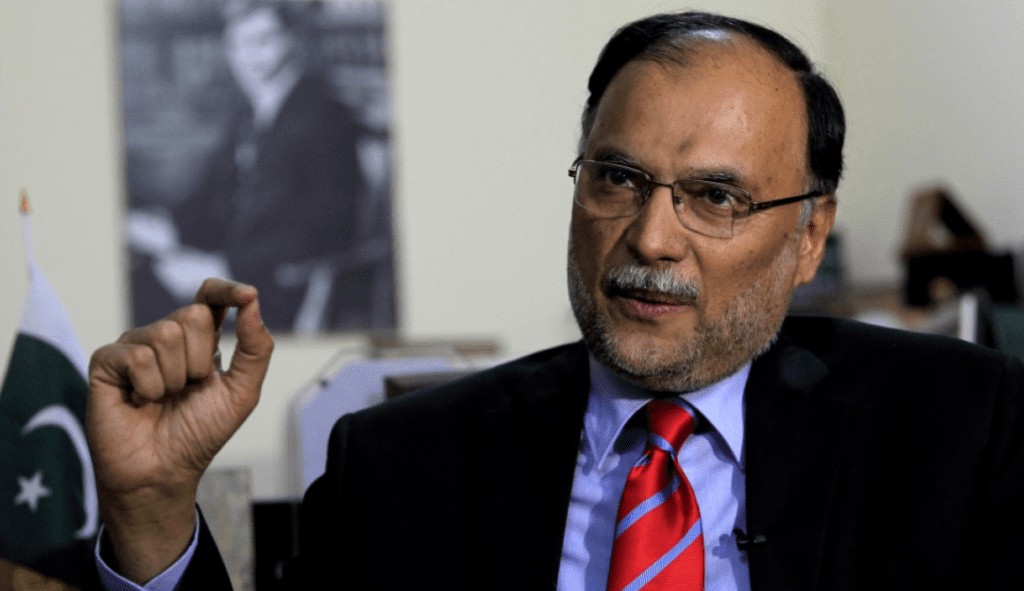
Federal Minister for Planning, Development, and Special Initiatives, Ahsan Iqbal, in a compelling opinion piece published in The News, charts a strategic and hopeful vision for Pakistan to exit its recurring dependence on the International Monetary Fund (IMF) — not through superficial fixes, but through deep structural reforms and a transformative economic agenda. His argument strikes at the heart of a long-term challenge that has hampered Pakistan’s economic sovereignty and stunted its growth prospects for decades. Rather than merely managing crises, the article reframes Pakistan’s IMF involvement as both a symptom and a catalyst for necessary systemic change.
In this analysis, let’s unpack the core strengths of this vision, explore its broader context, and reinforce why the article’s arguments are both timely and commendable.
1. Diagnosing the Real Problem: Structural Weaknesses, Not External Blame
Ahsan Iqbal begins by rejecting convenient explanations — bad luck, foreign conspiracies, or temporary shocks — for Pakistan’s repeated recourse to IMF programs. Instead, he identifies the structural deficiencies in Pakistan’s political economy: persistent trade deficits, low production capacity, weak revenue generation, and a chronic failure to expand exports in line with population growth.
This diagnosis is powerful for two reasons:
-
It places responsibility where it belongs: within Pakistan’s own economic system and policymaking. Acknowledging structural problems is critical because it opens the door to real solutions rather than short-term band-aids.
-
It reframes IMF dependence as an outcome, not a cause, of economic weakness. Many critics in Pakistan wrongly view IMF programs as external impositions. Iqbal correctly points out that IMF dependence is produced domestically by deep-seated policy failures.
This realist framing moves the national conversation away from blame games toward introspection and productive reform.
2. Beyond Austerity: Advocating Development-Led Growth
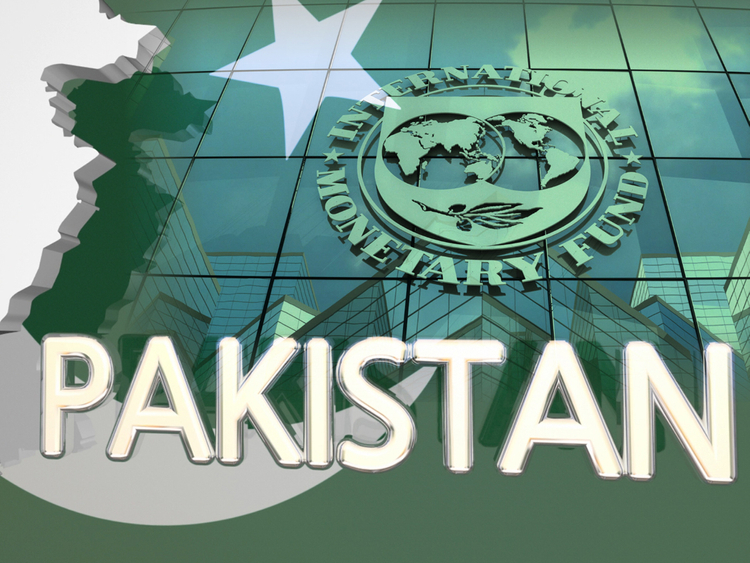
One of the article’s most important contributions is its critique of the dominant economic narrative that equates fiscal discipline with austerity. Traditionally, IMF programs emphasize tight fiscal policies — cutting deficits through reduced government spending, subsidy cuts, and increased taxes. While fiscal discipline is necessary, treating it as an end in itself can suffocate growth.
Ahsan Iqbal argues that:
-
Austerity is a temporary fix that compresses deficits but does nothing to expand productive capacity.
-
Development expenditure — on infrastructure, education, energy, and human skills — is the foundation for sustainable fiscal health because it generates the future economic base capable of generating revenue.
This is a crucial point that resonates with successful growth models across the world. Countries that emerged from structural crises — like South Korea after the Asian Financial Crisis — did not simply cut spending; they modernized industries, invested in export-led growth, and strengthened human capital. In doing so, they expanded their economies and exited IMF programs not by retrenchment but by transformation.
3. The Urgency of Structural Reforms: Human Capital and Productivity
Ahsan Iqbal’s emphasis on human development — literacy, female labor participation, health, and skill development — elevates the debate from macro numbers to living standards and productivity. He notes that Pakistan’s literacy rate, high malnutrition, rapid population growth, and low female participation are not merely social indicators, but binding economic constraints.
By tying human development to economic outcomes:
-
Pakistan commits to a virtuous cycle: better education → increased productivity → higher exports → larger tax base → stronger economy.
-
Addressing these fundamentals is especially important given global competition for skilled labor and high-value exports. Without improving human capital, Pakistan risks remaining in low-value industries with fragile growth.
This focus aligns with development economics research that underscores how human capital is the most enduring source of sustainable growth.
4. Export-Led Transformation and the Vision for 2035-2047
Perhaps the most visionary part of the article is its framing of a long-term export strategy. Iqbal calls for actively reshaping Pakistan’s economic structure — moving from basic assembly and raw exports to high-value goods and services, including:
-
Advanced manufacturing
-
Value-added agriculture
-
IT and digital services
-
Creative industries
-
Maritime and blue economy sectors
This is not mere rhetoric. In a world where industrial competitiveness and global value chains determine economic success, Pakistan must increase exports not only in quantity but in quality and diversity. Setting ambitious goals — such as transitioning to higher-value manufacturing and building export ecosystems — provides direction and purpose for both public policy and private sector strategy.
Such a blueprint resembles the economic doctrines of emerging economies that have succeeded in moving up the value ladder — an achievement that cannot be secured through fiscal tightening alone.
5. Policy Continuity and Institutional Reform
A recurring theme in Pakistan’s economic history is policy discontinuity. Reforms start with enthusiasm but fade with political transitions, leaving short-lived gains. Iqbal rightly emphasizes the need for long-term continuity across electoral cycles and robust institutional reform, particularly:
-
Modernizing the civil service
-
Realigning ministries for economic priorities
-
Strengthening national economic planning mechanisms
Institutional stability and consistent policy frameworks are what separate countries that repeatedly slip back into IMF programs from those that break the cycle.
6. Why This Approach Matters Now
Contemporary developments bolster the relevance of this strategy:
-
Pakistan’s current government is publicly aiming to exit the IMF program by mid-2026, citing improved fiscal conditions and rising remittances.
-
The IMF itself has recently completed reviews and approved renewed funding arrangements, signaling conditional confidence in Pakistan’s policy path.
These signals suggest that Pakistan is at a pivotal moment — not only to manage its way out of a specific IMF arrangement but also to define how it exits: through contraction or expansion.
7. A Balanced Defense of the Vision
While critics may argue that ambitious reforms are difficult to implement politically, it is precisely the difficulty of strategic transformation that makes this vision compelling and necessary. Incremental or superficial economic tinkering will not break the stubborn cycle of IMF dependence. Only a comprehensive and domestically owned approach, as outlined by Iqbal, can place Pakistan on a durable growth trajectory.
Way Forward: A Realistic and Inspiring Roadmap
Pakistan’s repeated IMF engagements have underscored deep vulnerabilities in its economy. However, rather than viewing IMF programs as external impositions, we should see them as wake-up calls — incentives to rebuild an economy capable of standing on its own feet. The article “Pakistan’s path to exit the IMF” offers not just criticism, but a roadmap grounded in realism, ambition, and long-term vision. It challenges Pakistan to trade short-term fixes for long-term transformation, making economic sovereignty the real goal, not merely exiting an IMF program.
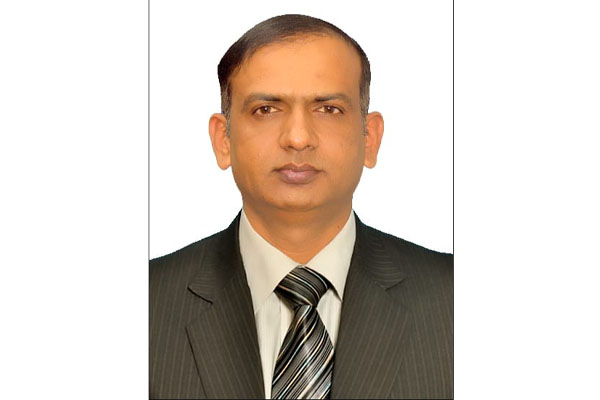
Sabahuddin Qazi is a researcher and analyst focusing on economic policy, governance, and development-led growth in Pakistan. He also serves as Chief Editor, Press Network of Pakistan.