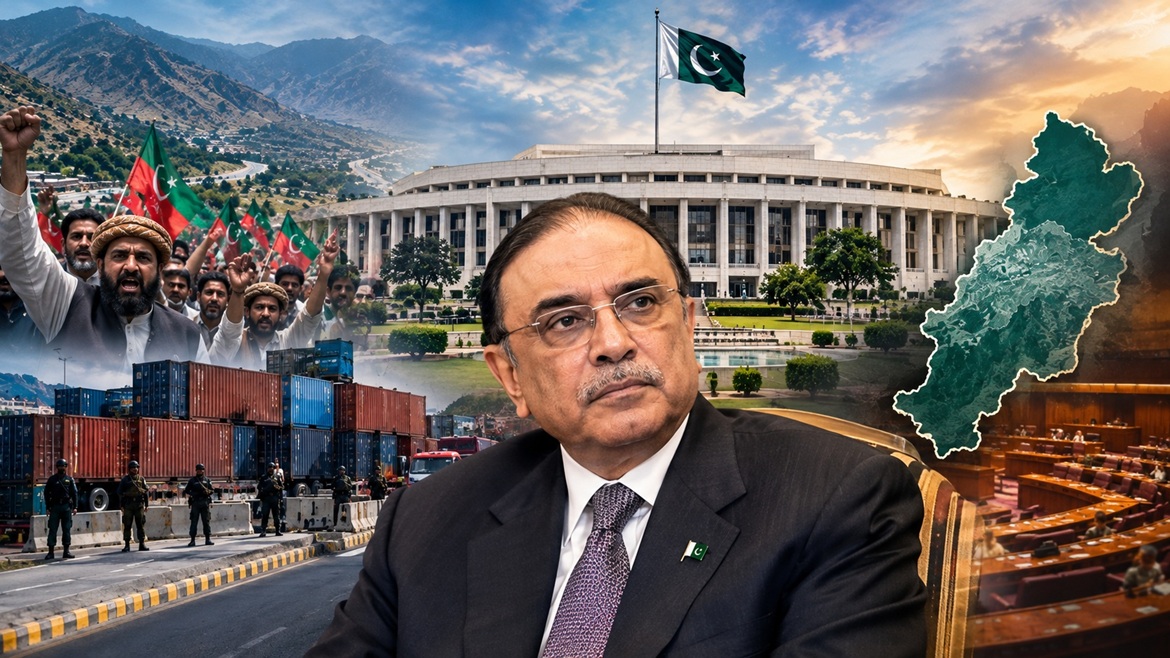
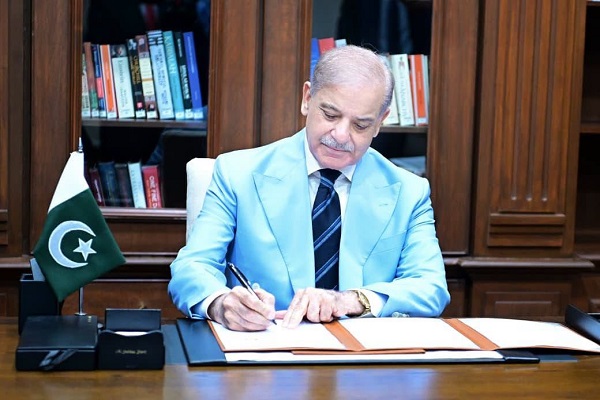
Islamabad (PNP) The Islamabad MoU has been formally signed in what is being described as a major diplomatic development involving the United States and Iran, with Pakistan acting as a mediator. According to a statement from the Prime Minister’s Office, Prime Minister Shehbaz Sharif endorsed the agreement as facilitator, while signatures were also recorded from US and Iranian leadership on behalf of their respective countries. The agreement is being presented as a step toward easing long-standing tensions and reopening critical maritime routes.
Islamabad MoU and Pakistan’s Mediating Role
The Islamabad MoU was signed with Prime Minister Shehbaz Sharif serving in a mediating capacity, according to official communications issued from Islamabad. The statement claims that US President Donald Trump and Iranian President Masoud Pezeshkian signed the document representing their respective governments, while the Pakistani premier endorsed it as the neutral facilitator.
Prime Minister Shehbaz Sharif, posting on social media platform X, stated that the Islamabad MoU had been electronically signed between the two countries. He described the development as a diplomatic milestone and emphasized that it reflected a commitment from both sides to resolve disputes through negotiation rather than escalation.
He further noted that the agreement came into immediate effect and included initial steps such as the reopening of the Strait of Hormuz and the lifting of a naval blockade, as described in the official statement.
Key Provisions Under the Islamabad MoU
Under the terms outlined in the announcement, the Islamabad MoU includes several major commitments attributed to the parties involved.
The agreement reportedly states that Iran would immediately reopen the Strait of Hormuz, a strategically significant global shipping route. In return, the United States would lift restrictions described as a naval blockade and begin easing sanctions targeting Iranian oil exports.
The statement further claims that Washington would waive oil-related sanctions that have been impacting Iran’s economy. Additionally, it suggests that once a final nuclear agreement is reached, a reconstruction fund worth approximately $300 billion—supported by regional partners—would be facilitated for Iran’s rebuilding efforts.
Prime Minister Shehbaz Sharif reportedly welcomed the agreement and expressed gratitude toward both US and Iranian leadership for their willingness to engage in diplomatic negotiations. He also acknowledged contributions from regional countries including Qatar, Saudi Arabia, Türkiye, and Egypt in supporting dialogue efforts linked to the Islamabad MoU process.
International Reactions and Diplomatic Context
According to details shared in the announcement, the signing of the Islamabad MoU reportedly took place in a formal setting following a G7-related diplomatic engagement. US President Donald Trump was quoted as confirming the signing event, while Iranian officials also acknowledged the completion of the document through official statements cited by state media.
Iranian Foreign Ministry spokesperson Esmaeil Baqaei stated that the agreement was finalized with signatures from the heads of state involved, according to Iranian state media reports. He also highlighted the role of negotiation teams from both sides in reaching the understanding.
The agreement reportedly involves several high-level officials from both countries. From the US side, Vice President JD Vance and other senior envoys were mentioned as part of the negotiating team. On the Iranian side, officials including Abbas Araghchi and other senior representatives were acknowledged for their participation in discussions leading to the Islamabad MoU.
Prime Minister Shehbaz Sharif also credited Pakistan’s military leadership, particularly Field Marshal Asim Munir, for their role in facilitating communication channels that contributed to the diplomatic breakthrough.
Strategic Importance of the Islamabad MoU
The Islamabad MoU is being described as a potentially significant development in global diplomacy due to its focus on one of the world’s most sensitive geopolitical regions. The Strait of Hormuz, referenced in the agreement, is a vital shipping route for global oil supplies, and any disruption in the area has historically had widespread economic implications.
If implemented as described, the Islamabad MoU could mark a shift in US-Iran relations, particularly in areas related to sanctions, maritime security, and nuclear negotiations. Analysts note that easing tensions in the Gulf region would have broader implications for global energy markets and regional stability.
The agreement also highlights Pakistan’s emerging diplomatic role as a mediator in complex international disputes. By facilitating dialogue between Washington and Tehran, Islamabad positions itself as an active participant in regional peace efforts.
However, international observers typically treat such developments cautiously until formal treaty frameworks are confirmed by all parties and independently verified through diplomatic channels.
Conclusion
The announcement of the Islamabad MoU marks a significant diplomatic claim involving the United States, Iran, and Pakistan’s mediation role. While the agreement outlines ambitious commitments including sanctions relief, maritime reopening, and future economic cooperation, its implementation will depend on sustained diplomatic engagement and verification by all stakeholders.
If fully realized, the Islamabad MoU could reshape regional dynamics and contribute to easing long-standing tensions in one of the world’s most strategically important regions.
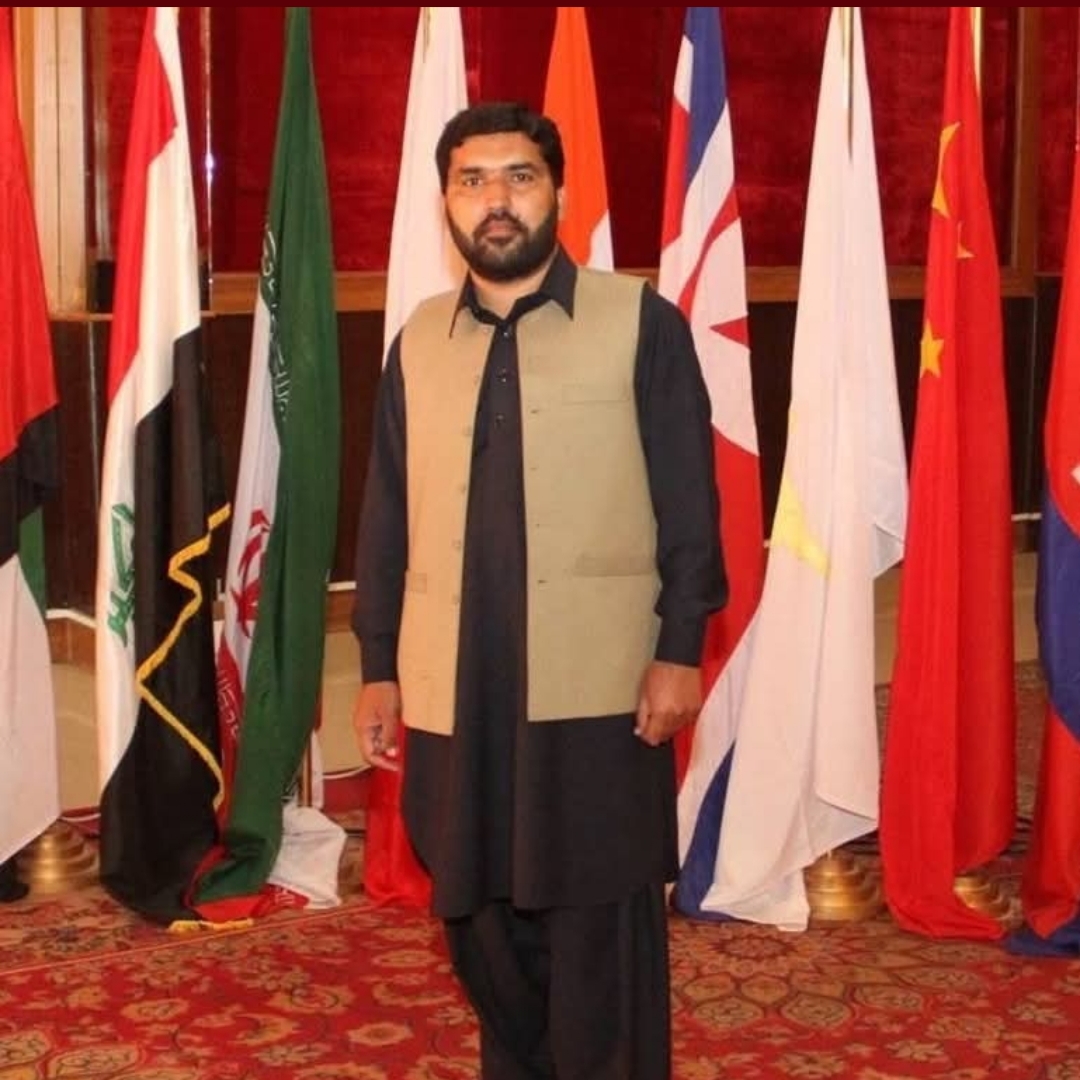
Naeem Akhtar plays a key role in shaping editorial content and maintaining the highest standards of accuracy and clarity. His dedication ensures that PNP’s coverage remains timely, reliable, and impactful for its readers worldwide.