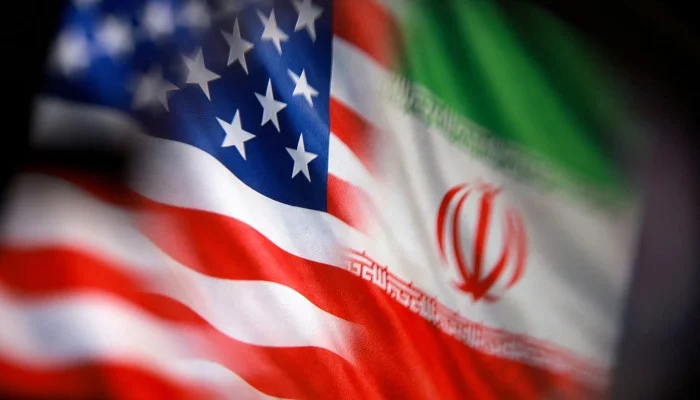
The US Iran peace deal has moved closer to a potential framework agreement after statements from Washington and Islamabad indicated progress toward ending months of conflict between the United States and Iran. However, uncertainty remains over the timing of the proposed signing, as Iranian officials have pushed back on claims of an imminent agreement and domestic opposition continues to surface inside Iran, according to officials and state media reports.
H2: US Iran Peace Deal Framework Signals Diplomatic Breakthrough
The US Iran peace deal entered a critical phase on Saturday after Pakistani and US leadership suggested that a broad framework had been agreed upon to halt ongoing hostilities. Prime Minister Shehbaz Sharif stated that both sides had reached consensus on a draft peace structure and that Islamabad was preparing for an electronic signing scheduled for Sunday, followed by technical-level negotiations in the coming days.
Separately, US President Donald Trump announced on social media that the agreement was expected to be signed the following day, coinciding with his birthday. The statement signaled confidence from Washington that a breakthrough was imminent.
However, Iranian officials offered a more cautious assessment. Iranian Foreign Ministry spokesperson Esmaeil Baghaei, speaking to state media, warned against premature assumptions regarding the timeline. He indicated that while progress had been made, the signing would not take place on Sunday and could instead occur “in the coming days,” casting doubt on immediate expectations surrounding the US Iran peace deal.
H2: Iran Response, Protests and Internal Political Pressure
As discussions around the US Iran peace deal intensified, political tensions inside Iran became increasingly visible. Hardline groups reportedly gathered in several cities, including Tehran and Mashhad, voicing opposition to any compromise with Washington.
Videos circulating on Iranian media and social platforms showed demonstrators chanting against Foreign Minister Abbas Araqchi, accusing him of conceding too much in negotiations. Reuters reported that the footage could not be independently verified.
Some protestors called for the resignation of senior officials involved in the talks, reflecting a broader divide within Iran’s political landscape between reformist negotiators and conservative factions aligned with the Islamic Revolutionary Guard Corps. Analysts suggest that despite military setbacks caused by US strikes, hardline influence within Iran’s security structure has become more entrenched.
The unrest highlights domestic resistance to the US Iran peace deal, particularly among groups that view negotiations with the United States as a strategic compromise.
H2: Military Developments, Strait of Hormuz and Future Negotiations
Even as diplomatic progress continues, military activity has not fully subsided. US forces reported shooting down multiple Iranian one-way attack drones near the Strait of Hormuz, a critical global shipping route that previously handled nearly 20% of global oil trade before the conflict escalated.
At the same time, Israel confirmed continued strikes on more than 70 targets in Lebanon over a 24-hour period, primarily targeting Hezbollah infrastructure. Israeli officials maintain that they are not formally part of the US Iran peace deal process, despite regional implications of the ongoing talks.
According to US officials speaking to reporters, a central component of the emerging agreement involves reopening the Strait of Hormuz and lifting the US naval blockade. The phased plan reportedly includes coordinated demining operations and the gradual restoration of maritime traffic, potentially involving assistance from G7 nations.
Under draft terms described by diplomatic sources, the United States could unfreeze billions of dollars in Iranian assets and ease sanctions on Iranian oil exports. In return, Iran would allow the reopening of the strait and broader maritime access, marking a key step in the US Iran peace deal framework.
Iranian officials, meanwhile, have emphasized that the release of frozen assets and lifting of restrictions are essential conditions. Iranian media also reported demands for the removal of foreign military bases in the region, though details remain unclear.
Nuclear-related negotiations are expected to follow within a 60-day window. A US official indicated that the long-term objective would include dismantling elements of Iran’s nuclear program, removal of highly enriched uranium stockpiles, and strict verification mechanisms.
Prime Minister Shehbaz Sharif and US officials have also discussed the diplomatic process with UK leadership, reflecting growing international engagement in the proposed settlement.
Conclusion
The emerging US Iran peace deal represents one of the most significant diplomatic developments in recent months, with potential implications for global energy markets, regional stability, and nuclear non-proliferation efforts. While the framework agreement signals progress toward de-escalation, divisions remain between public announcements, Iranian official positions, and internal political pressures within Tehran. The coming days are expected to determine whether the tentative understanding can evolve into a formal and enforceable agreement.
Naeem Akhtar plays a key role in shaping editorial content and maintaining the highest standards of accuracy and clarity. His dedication ensures that PNP’s coverage remains timely, reliable, and impactful for its readers worldwide.