The proposed US-Iran War Deal appears to be moving toward a formal agreement after officials from both countries indicated that negotiations have reached an advanced stage. Senior officials in Washington and Tehran signaled on Friday that a draft framework has been agreed upon, raising expectations that an initial accord could be finalized within days.
The development follows months of heightened military tensions, economic disruption, and concerns over the future of maritime security in the Strait of Hormuz, one of the world’s most strategically important energy routes.
US-Iran War Deal Advances Toward Signing
A senior US administration official said both sides had agreed on the text of a preliminary arrangement and that Washington expects an initial agreement to be signed soon.
According to diplomatic sources familiar with the discussions, possible venues for signing have included locations in Europe, with Geneva emerging as a leading option. However, US officials said no final decision on the venue had been made.
Iranian Foreign Minister Abbas Araghchi described the draft agreement as evidence that Tehran had emerged from the conflict in a stronger position. Speaking on Iranian state television, he stated that modifications to the draft remained possible but characterized the negotiations as favorable for Iran.
Reports from multiple diplomatic sources suggest that the memorandum of understanding focuses on restoring maritime access through the Strait of Hormuz while establishing a framework for future discussions on Iran’s nuclear activities.
The agreement would mark the most significant diplomatic breakthrough between Washington and Tehran since the conflict escalated earlier this year.
Strait of Hormuz Remains Central to Negotiations
The Strait of Hormuz has become the focal point of the proposed settlement.
Shortly after Iranian officials commented on the draft agreement, US forces reportedly intercepted and destroyed several Iranian one-way attack drones heading toward the strategic waterway. A source familiar with the matter said the drones were considered a potential threat to commercial shipping.
US Central Command later confirmed military action had been taken and stated that maritime traffic through the waterway remained open.
Iranian media separately reported explosions near Sirik port and Qeshm Island. Local officials and residents reportedly attributed the incidents to warning fire from Iranian forces directed at vessels attempting to transit without authorization from the Revolutionary Guards’ naval forces.
Before the conflict, the Strait of Hormuz handled approximately one-fifth of global oil and gas shipments, making any disruption a major concern for international energy markets.
Under the reported framework, the strait would reopen fully to international shipping while restrictions affecting Iranian ports would be eased. Iranian officials have indicated that Tehran, working alongside Oman, would continue to play a role in overseeing maritime traffic through the waterway.
The reopening of the route could help stabilize global energy supplies and reduce volatility in oil markets that intensified during the conflict.
Nuclear Programme and Sanctions Relief at Center of Future Talks
The draft arrangement reportedly outlines a phased approach to resolving long-standing disputes over Iran’s nuclear programme.
According to sources involved in the negotiations, the United States would begin a process that could eventually release billions of dollars in frozen Iranian assets and provide sanctions relief for Iranian oil exports. In exchange, Tehran would ensure uninterrupted maritime access through the Strait of Hormuz.
The next phase would involve approximately 60 days of negotiations focused specifically on Iran’s nuclear activities.
US officials maintain that the final objective remains the dismantling of Iran’s nuclear weapons-related capabilities. Washington is reportedly seeking the removal and destruction of Iran’s stockpile of highly enriched uranium as well as the implementation of a long-term international inspection regime.
Iran, however, has publicly signaled a different position.
Araghchi stated that Tehran prefers reducing the enrichment level of its uranium stockpile rather than eliminating the material entirely. Iranian officials have consistently argued that the country’s nuclear programme is intended for peaceful purposes and that enrichment activities should continue under internationally accepted safeguards.
Differences also remain regarding reports that discussions could include war reparations and changes to longstanding US demands concerning Iran’s missile programme. American officials have disputed elements of those reports, emphasizing that any sanctions relief would be linked to verifiable Iranian compliance.
A US administration official said that no funds would be released until agreed commitments were fulfilled and stressed that preventing support for militant groups remained a key condition.
Israel’s Position and Regional Implications
Israel has not participated directly in the negotiations and has indicated that it does not consider itself bound by any future agreement between Washington and Tehran.
Prime Minister Benjamin Netanyahu has recently differed with the Trump administration over broader regional security issues, particularly concerning military operations in Lebanon.
Iranian officials have suggested that the agreement could contribute to ending hostilities connected to the conflict in Lebanon. Israeli leaders, however, have maintained that their military retains the right to respond independently to perceived threats.
A senior Israeli official said the country expects to preserve freedom of action regarding its security interests regardless of any bilateral understanding between the United States and Iran.
The differing positions highlight the challenges that may remain even if Washington and Tehran formally sign an agreement.
Why the Agreement Matters
The proposed US-Iran War Deal carries significant implications for global diplomacy, energy security, and regional stability.
For international markets, reopening the Strait of Hormuz could ease concerns about oil supply disruptions and support greater stability in energy prices.
For the Middle East, the agreement could reduce the risk of direct military confrontation between two long-standing adversaries while creating space for broader diplomatic engagement.
For Pakistan and other regional countries, improved maritime security in the Gulf is particularly important because of its impact on trade routes, energy imports, and broader economic stability.
The negotiations also represent a potential shift in regional diplomacy, with Oman continuing to play a prominent mediating role between Washington and Tehran.
Conclusion
The emerging US-Iran War Deal represents a potentially significant step toward ending months of conflict and restoring stability in one of the world’s most strategically important regions. While key differences remain over Iran’s nuclear programme and broader security issues, both sides appear closer to an agreement than at any point since the conflict began.
Whether the draft framework evolves into a lasting settlement will depend on successful implementation, verification measures, and the willingness of both governments to sustain diplomatic engagement beyond the initial accord.
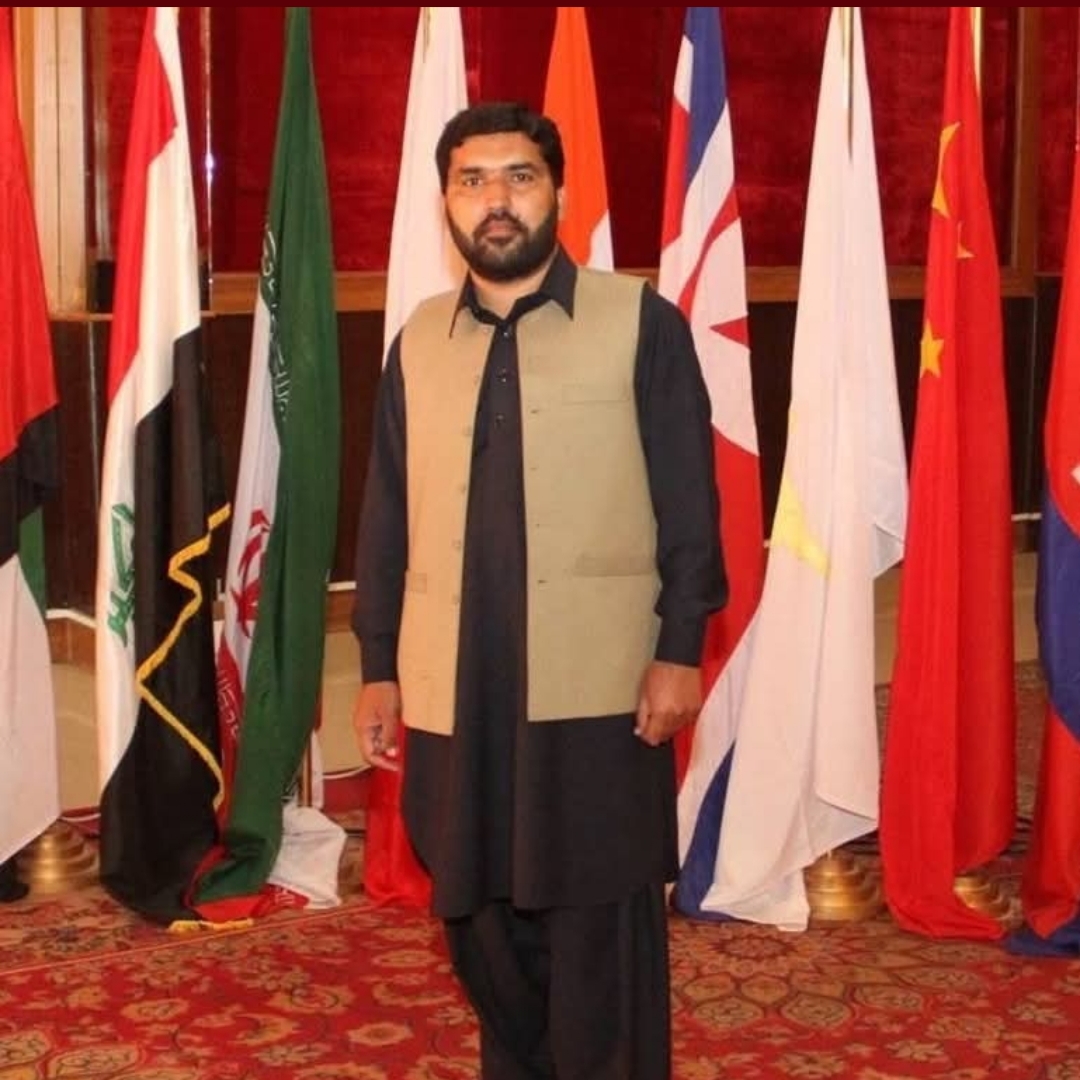
Naeem Akhtar plays a key role in shaping editorial content and maintaining the highest standards of accuracy and clarity. His dedication ensures that PNP’s coverage remains timely, reliable, and impactful for its readers worldwide.