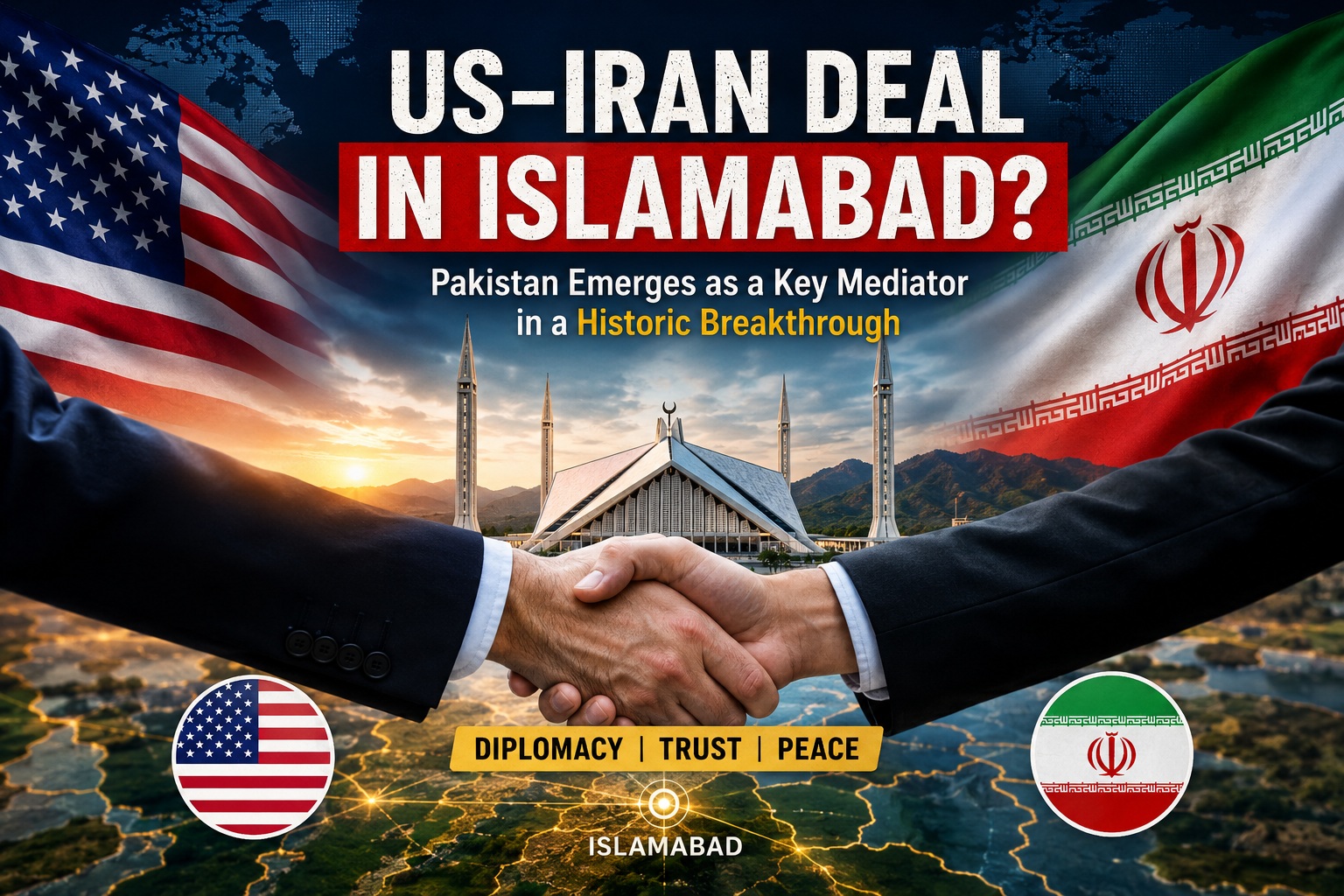
For decades, major negotiations involving Iran and the United States have traditionally been associated with capitals such as Geneva, Vienna, Muscat, or Doha. Yet recent developments suggest that Islamabad may now be positioning itself as a new diplomatic venue for one of the world’s most sensitive geopolitical negotiations.
Reports circulating in international and Iranian media indicate that discussions around a possible understanding between Washington and Tehran are progressing, although no final agreement has officially been confirmed. Multiple reports suggest Pakistan has emerged as an active mediator and facilitator in efforts to reduce tensions and build confidence between both sides.
At the same time, caution remains essential: negotiations are reportedly ongoing and no official signing announcement has been made by either government.
What Is the Reported Islamabad Deal About?
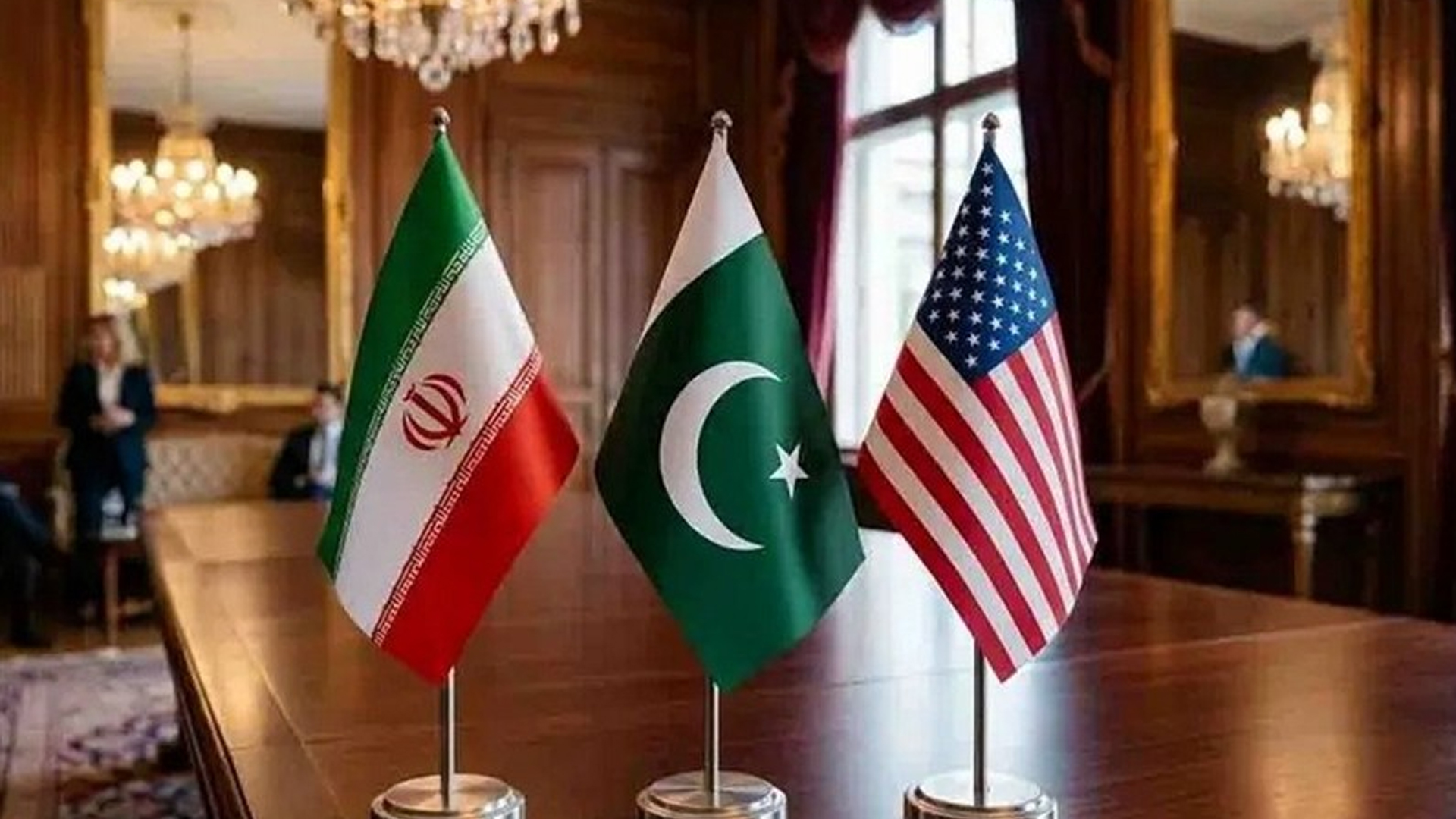
According to recent reporting, the emerging framework is not being described as a comprehensive final peace agreement but rather as a phased memorandum of understanding designed to reduce tensions and create space for broader negotiations.
Among the issues reportedly linked to negotiations:
- Partial sanctions relief for Iran
- Mechanisms for releasing frozen Iranian assets
- Reopening maritime traffic through the Strait of Hormuz
- A temporary ceasefire framework
- Delayed negotiations on nuclear matters
- Regional security guarantees
These points remain under discussion and subject to change.
Iranian Media Signals Concern Rather Than Celebration
Although Iranian officials have not formally released full details of the possible understanding, reports carried by Iranian outlets close to security and military institutions indicate visible caution inside Tehran.
Reports attributed to Iranian sources suggest negotiators remain skeptical about Washington’s commitments and fear a repeat of earlier diplomatic disappointments.
Iranian commentary reportedly argues that while talks may be moving toward an initial understanding, trust remains extremely limited and concerns persist that commitments made today could later be revised or delayed.
One of Tehran’s major concerns reportedly revolves around frozen Iranian assets.
According to accounts cited in Iranian reporting, Tehran wants at least part of those assets released immediately after any announcement rather than tying all economic relief to later nuclear negotiations.
This reflects a broader Iranian negotiating principle: economic commitments should produce visible early outcomes.
Frozen Assets Become a Central Test
The issue of Iranian assets appears to be one of the most difficult obstacles, according to some analysts based in Islamabad.
Reports suggest Washington may prefer linking broader asset releases with progress on nuclear discussions, while Tehran seeks guaranteed and staged financial implementation from the beginning.
Iranian sources reportedly informed Pakistani intermediaries that unresolved issues—including asset release mechanisms—could prevent any agreement from being finalized.
If accurate, this suggests Islamabad’s mediation effort now extends beyond diplomacy into designing practical confidence-building mechanisms.
Nuclear Negotiations May Be Delayed
One of the most notable elements reported by Iranian media is the possibility that nuclear negotiations may not form part of the immediate memorandum.
Instead, reports suggest nuclear-related discussions could be postponed for around 60 days after an initial agreement is signed.
Iranian sources reportedly reject claims that Tehran has already agreed to:
- surrender nuclear stockpiles
- dismantle facilities
- remove equipment
- formally abandon future nuclear capabilities
Rather, the position being reported suggests that broader nuclear arrangements would be negotiated separately later.
Meanwhile, American messaging continues emphasizing that Iran must never acquire nuclear weapons and that any future arrangement must address that issue.
This divergence remains one of the largest unresolved gaps.
Strait of Hormuz: The Economic Heart of the Negotiations
Beyond nuclear diplomacy, another strategic issue shaping negotiations is the Strait of Hormuz.
This narrow waterway carries a major share of global energy trade and disruptions there immediately affect international markets.
Recent reports indicate that reopening shipping routes and reducing maritime restrictions form a major component of current diplomatic efforts.
Iranian reporting has emphasized that restoring maritime traffic should not be interpreted as reversing Iran’s sovereign position over the waterway.
That distinction may appear technical, but in diplomatic terms it reflects a major political principle for Tehran.
Financial markets have already reacted to optimism surrounding the negotiations, with oil prices reportedly moving lower as expectations for reduced regional disruption increased.
Islamabad’s Diplomatic Opportunity
Pakistan’s role in these developments has drawn increasing international attention.
Recent reporting highlights Pakistani diplomatic engagement and acknowledges Islamabad’s contribution to regional de-escalation efforts.
For Islamabad, successful facilitation could generate several strategic advantages:
1. International Diplomatic Recognition
Islamabad could strengthen its image as a mediator capable of engaging rival powers.
2. Economic Opportunities
Reduced regional instability may support trade routes, energy security, and investor confidence.
3. Balanced Foreign Policy
Acting as mediator allows Islamabad to maintain relations with Washington, Tehran, Gulf states, and Beijing simultaneously.
4. Regional Stability
Lower tensions in the Gulf directly benefit Pakistan through remittances, trade, and energy flows.
Why the Deal May Still Collapse
Despite optimism, several factors could still derail negotiations:
- Continued distrust between Tehran and Washington
- Disagreements over frozen assets
- Nuclear sequencing disputes
- Domestic political pressure inside both countries
- Regional reactions from other stakeholders
- Different interpretations of ceasefire implementation
American officials themselves have cautioned that negotiations remain unfinished and could still unravel.
Final Thoughts
A possible US–Iran understanding signed in Islamabad would represent far more than another diplomatic document.
It would signal a changing geopolitical map in which middle powers increasingly host and shape major international negotiations.
However, optimism should remain measured.
At this stage, the available reporting points toward negotiations—not conclusion.
If Islamabad succeeds, Pakistan may strengthen its standing as a bridge between competing powers and reinforce its identity as a diplomatic actor in an increasingly fragmented world.
Dr. Mohammad Arif is a senior analyst based in Islamabad. An expert in the Persian language and regional affairs, he closely monitors Iranian media, political developments, and evolving geopolitical dynamics across the Middle East and South Asia.