
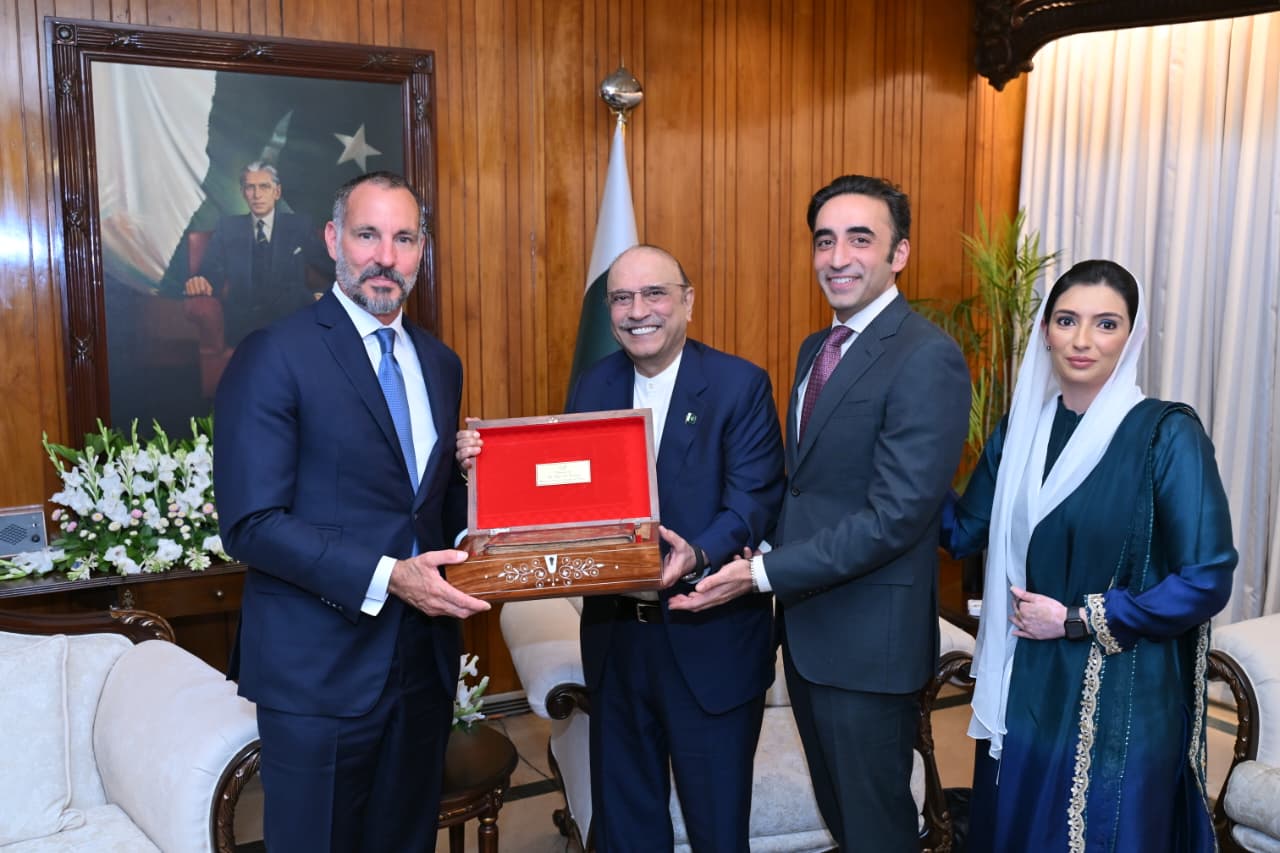
ISLAMABAD – Pakistan witnessed an important diplomatic and development milestone as Prime Minister Shehbaz Sharif welcomed Prince Rahim Aga Khan V during his first official visit to the country since assuming leadership of the global Ismaili Muslim community. The visit highlighted growing cooperation in climate resilience, education, healthcare, and sustainable development across vulnerable regions of Pakistan.
This historic engagement goes beyond ceremonial diplomacy. It reflects decades of partnership between Pakistan and the Aga Khan Development Network (AKDN), particularly in northern mountain regions where development and environmental challenges continue to shape local communities.
Why This Visit Matters
Prince Rahim Aga Khan became the 50th hereditary Imam of the Ismaili Muslim community in February 2025 following the passing of his great visionary father, Karim Aga Khan IV, who led the community for nearly seven decades. During that period, the Aga Khan institutions built one of the world’s most recognized private development networks spanning health, education, culture, and economic development.
Pakistan has historically remained one of the most important countries for AKDN operations.
The transition in leadership has therefore attracted significant attention among policymakers, development experts, and communities associated with AKDN initiatives.
Contributions of the Ismaili Community in Pakistan
The Ismaili community has long been recognized as one of Pakistan’s most constructive and development-oriented communities, making meaningful contributions in education, healthcare, social welfare, entrepreneurship, and community service. Through a strong tradition of volunteerism, institution-building, and civic responsibility, the community has supported initiatives that extend benefits far beyond its own population.
Institutions associated with development, education, and public welfare have played an important role in improving livelihoods in remote and underserved regions, particularly in northern Pakistan. Their emphasis on human development, women’s empowerment, quality education, and peaceful coexistence reflects values that continue to contribute positively to Pakistan’s social and economic progress.
Pakistan and the Aga Khan Development Legacy

For decades, AKDN has contributed to social and economic transformation in Pakistan.
Its work has particularly focused on:
- Rural development
- Healthcare access
- Educational institutions
- Climate adaptation programs
- Disaster preparedness
- Community empowerment
- Sustainable tourism
Northern areas including Gilgit-Baltistan and Chitral remain among the strongest examples of this collaboration. Development initiatives there have supported mountain communities facing environmental pressures and changing climate patterns.
These projects have often become reference models for localized and community-led development.
Climate Resilience Takes Center Stage
One of the major themes emerging from the discussions was climate resilience.
Pakistan remains among countries highly exposed to climate-related challenges including:
- Glacier melting
- Flash floods
- Water stress
- Extreme weather events
- Agricultural disruption
Mountain regions have become especially vulnerable.
Government officials emphasized that partnerships with experienced development organizations can help accelerate adaptation efforts and improve local preparedness systems.
Climate resilience is increasingly becoming not merely an environmental issue but an economic and social priority.
Through infrastructure support, sustainable planning, and community-based initiatives, development networks can help reduce long-term vulnerabilities.
Education and Human Development
Education has historically remained one of the strongest pillars of cooperation.
Pakistan continues to invest in improving educational outcomes while seeking partnerships that strengthen institutional quality and community outreach.
Development experts frequently note that long-term social stability is closely linked with:
- Quality education
- Skills development
- Women’s participation
- Community leadership
- Digital inclusion
The continued engagement of development institutions may help Pakistan strengthen these priorities in underserved areas.
Strengthening Public–Private Development Partnerships
The visit also reflects a broader trend in global governance where governments increasingly collaborate with private development organizations.
Such partnerships can:
| Area | Potential Impact |
|---|---|
| Education | Improved access and quality |
| Health | Expanded community services |
| Climate | Better resilience programs |
| Economy | Local entrepreneurship |
| Infrastructure | Sustainable regional growth |
Pakistan’s development model may benefit from combining public policy with institutional expertise and local community participation.
Symbolic Importance Beyond Development
Beyond policy discussions, the visit carried symbolic value.
Pakistan hosts a diverse population and maintains longstanding relationships with international humanitarian and development institutions.
Meetings of this nature reinforce Pakistan’s image as a country open to partnerships focused on:
- Human development
- Cultural cooperation
- Inclusive growth
- Sustainable progress
Observers view such engagements as opportunities to strengthen international confidence and encourage broader collaboration.
Looking Ahead
People of Pakistan warmly welcome the visit of Aga Khan V and views it as an opportunity to further strengthen the longstanding relationship built on mutual respect, development cooperation, and people-to-people connections. Such visits carry significance not only for members of the Ismaili community but also for the broader national vision of inclusive growth and social progress.
The visit symbolizes continuity in a historic partnership that has supported education, healthcare, environmental resilience, and community development across different regions of the country. Pakistan’s hospitality and appreciation reflect the country’s recognition of contributions that promote human dignity, dialogue, and sustainable development for future generations.
In fact, the first official visit of Aga Khan V marks more than a diplomatic meeting. It represents continuity, transition, and renewed commitment toward development priorities that matter deeply to millions of people.
As Pakistan continues confronting environmental and social challenges, strategic partnerships focused on education, resilience, and community development may become increasingly important.
The coming years will determine how these discussions translate into practical outcomes across vulnerable regions of the country.
For many observers, however, the visit already sends a clear message: sustainable development and human progress remain central to Pakistan’s future.

Dr. H. Zafar is a distinguished writer and analyst associated with Press Network of Pakistan as Associate Editor. With a strong academic background and years of research experience, she brings depth, clarity, and analytical rigor to her writings.