The relationship between the countries of Pakistan and China is often described as one of the strongest diplomatic friendships in the modern world. In 2026, both nations are celebrating the 75th anniversary of diplomatic relations, yet historians and cultural experts believe the roots of Pakistan-China friendship extend back thousands of years through trade, Buddhism, archaeology, and cultural exchange.
Today, Pakistan-China friendship is not limited to politics, defense cooperation, or economic collaboration under projects like the China-Pakistan Economic Corridor (CPEC). Instead, it represents a deep civilizational connection shaped by centuries of interaction between the people of both regions.
Ancient Roots of Pakistan-China Friendship
Historical evidence strongly suggests that the cultural relationship between Pakistan and China dates back several centuries before the modern era. Ancient stone carvings, relief panels, Buddhist sculptures, and decorative objects found in northern Pakistan reflect Chinese artistic influence.
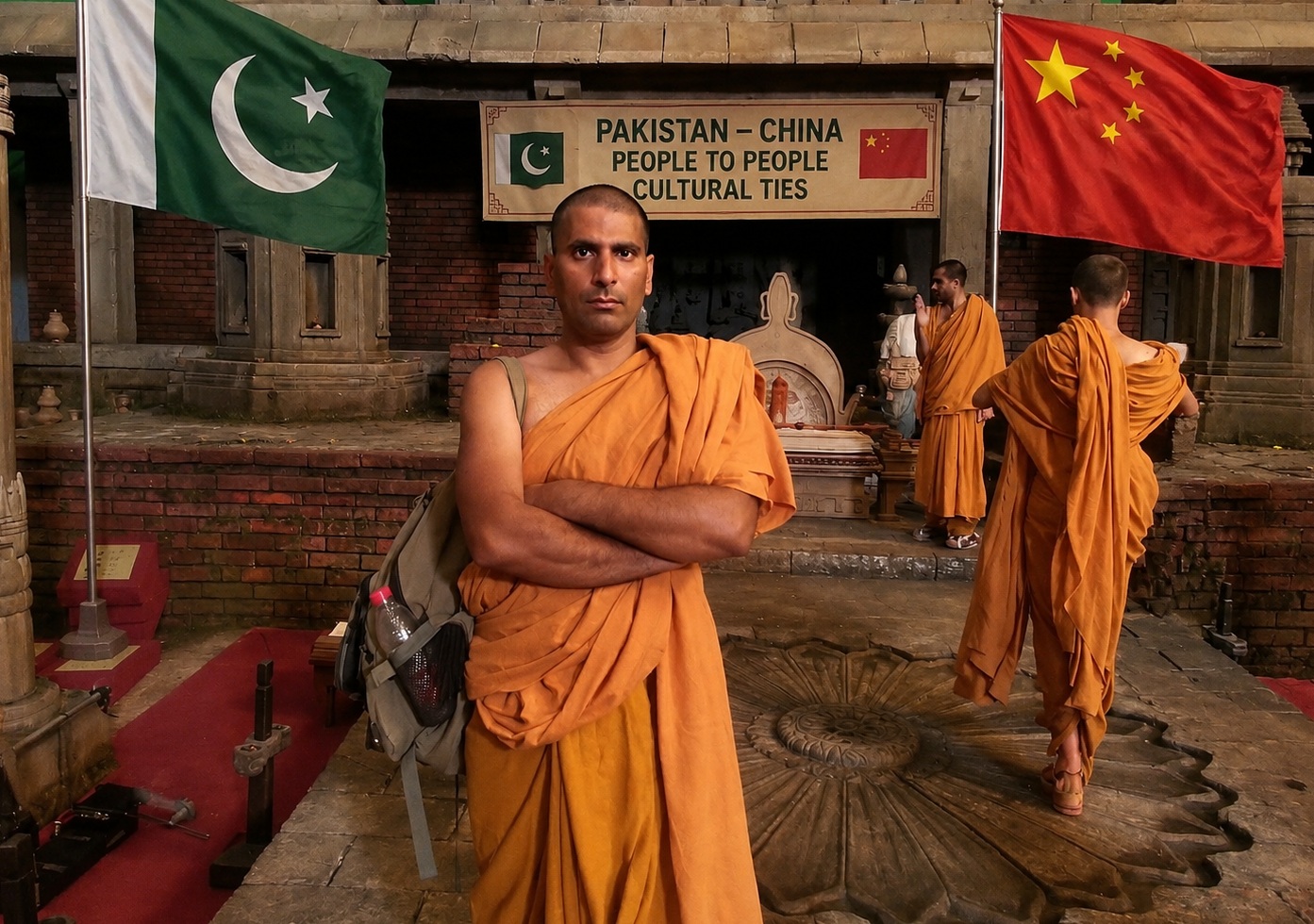
During the fourth century, Buddhism spread from the Gandhara region of present-day Pakistan toward China through the Silk Road. This movement played a major role in strengthening Pakistan-China friendship in cultural and spiritual dimensions. The Gandhara civilization became a bridge connecting South Asia, Central Asia, and East Asia.
Archaeologists have discovered rock carvings and inscriptions in Gilgit, Swat, and other northern areas of Pakistan that contain Chinese artistic patterns and Buddhist symbolism. These discoveries confirm that travelers, monks, traders, and scholars moved between the two regions for centuries.
Gandhara Art and Chinese Cultural Influence
One of the most significant aspects of Pakistan-China friendship is the influence of Gandhara art on Chinese Buddhist culture. Gandhara art, which flourished between the first century BCE and the fifth century CE, blended Greek, Persian, Indian, and Central Asian artistic traditions.
Experts believe the artistic representation of Buddha statues with semi-closed eyes and spiritual expressions later became popular in Chinese Buddhist art. The arrangement of Bodhisattva figures around the central Buddha image also reflects Gandhara influence on Chinese culture.
Museums in Pakistan, especially the Islamabad Museum, preserve rare collections demonstrating these ancient cultural ties. Chinese dragon motifs and decorative patterns on ancient objects further indicate a long history of artistic interaction between the two civilizations.
These priceless artifacts are more than archaeological treasures. They are living evidence that Pakistan-China friendship is built upon centuries of mutual respect and cultural learning.
Cultural Exchanges Strengthening Pakistan-China Friendship
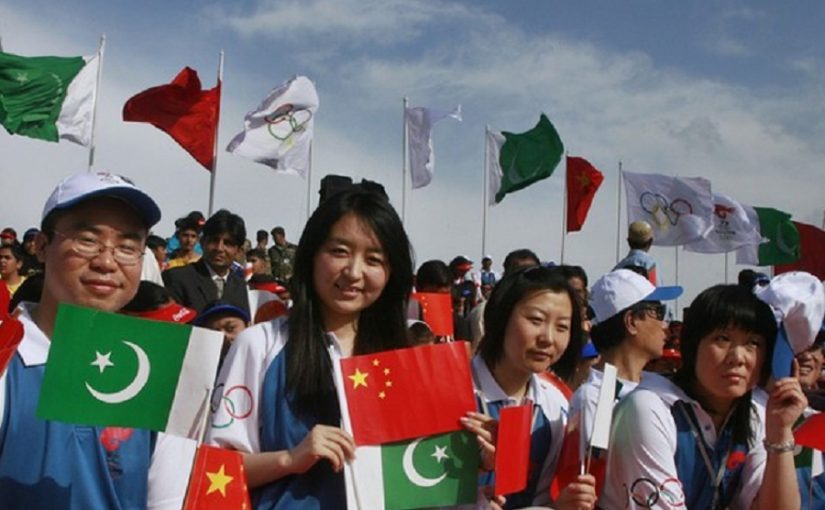
Cultural exchanges and heritage collaborations have played an increasingly important role in strengthening Pakistan-China friendship in recent years. Through museum partnerships, art showcases, archaeological cooperation, and academic exchanges, both countries are promoting deeper understanding between their peoples and civilizations.
Ancient Gandhara artifacts, Buddhist heritage, and historical collections from Pakistan have received significant appreciation in China, helping Chinese audiences better understand the region’s rich multicultural history. These cultural interactions have highlighted the centuries-old links between the civilizations of present-day Pakistan and China.
Experts believe such exchanges serve as an important form of cultural diplomacy, where art, history, and heritage become bridges connecting societies beyond political and economic relations. Pakistan’s ancient Buddhist heritage, archaeological treasures, and diverse cultural identity continue to create opportunities for stronger people-to-people ties with China.
These collaborations also encourage tourism, academic research, and heritage preservation while promoting mutual respect and cultural learning between the two friendly nations.
Shared Heritage and Archaeological Cooperation
Pakistan-China friendship has expanded significantly into archaeological cooperation during recent years. Between 2018 and 2022, Chinese teams and Pakistani experts conducted joint archaeological field surveys in the Taxila Valley and surrounding regions.
Taxila, one of the world’s most important archaeological sites, has historically been associated with Buddhism and ancient learning centers. Interestingly, recent discoveries indicate that some settlements in the region may belong to even older urban and industrial civilizations predating Buddhism.
Chinese universities and archaeological teams have introduced modern excavation techniques, advanced research technologies, and scientific preservation methods in Pakistan. At the same time, local Pakistani archaeologists and students have benefited from training opportunities and academic collaboration.
This growing partnership demonstrates that Pakistan-China friendship is evolving into a knowledge-sharing relationship focused on education, research, and heritage preservation.
Educational Exchange and Youth Connectivity
Another major pillar of Pakistan-China friendship is educational cooperation. Thousands of Pakistani students are currently studying in Chinese universities through scholarships and exchange programs.
These opportunities are helping young Pakistanis gain access to modern education, research facilities, technology, and innovation. Meanwhile, Chinese students and researchers are also becoming more interested in Pakistan’s history, culture, archaeology, and tourism.
People-to-people interaction remains one of the strongest foundations of Pakistan-China friendship. Experts believe future cooperation should increasingly focus on youth engagement, cultural exchange programs, tourism promotion, language learning, and academic partnerships.
As more Pakistani students travel to China, they return with positive experiences regarding Chinese infrastructure, discipline, public facilities, and technological advancement. This exposure creates stronger understanding between the two societies.
Tourism and Cultural Learning Opportunities
China’s tourism sector and cultural heritage management are often viewed as successful international models. Cities across China have effectively preserved ancient sites while integrating modern tourism infrastructure.
Pakistan can learn significantly from Chinese expertise in tourism development, museum management, heritage conservation, and cultural marketing. Pakistan possesses globally important archaeological treasures, especially Buddhist heritage sites in Taxila, Swat, and Gilgit-Baltistan.
Improved tourism cooperation could strengthen Pakistan-China friendship even further. Easier travel access, cultural festivals, museum collaborations, and joint tourism campaigns could encourage more Chinese tourists to visit Pakistan’s ancient heritage sites.
At the same time, more Pakistanis would gain opportunities to explore China’s rich civilization, including landmarks such as the Forbidden City, the Great Wall, and other UNESCO heritage sites.
A Friendship Built on Civilization and Respect
Pakistan’s identity has historically been shaped by cultural diversity and openness toward different civilizations. From Central Asian influences to Buddhist heritage and Islamic traditions, the region has long served as a meeting point of cultures.
This multicultural foundation explains why Pakistan-China friendship feels natural and deeply rooted rather than temporary or transactional.
The relationship between the two countries continues to evolve beyond strategic cooperation into a broader partnership involving culture, tourism, education, archaeology, and public diplomacy.
As both nations celebrate 75 years of diplomatic ties in 2026, the message is clear: Pakistan-China friendship is not merely a political alliance. It is a timeless civilizational connection built upon shared history, mutual respect, and cultural understanding that has survived for thousands of years.
Conclusion
The story of Pakistan-China friendship is one of the world’s most remarkable examples of enduring international relations. From the ancient spread of Buddhism through Gandhara civilization to modern archaeological cooperation and educational exchange, both countries continue to strengthen their bond through shared heritage and mutual trust.
In a rapidly changing global environment, this friendship stands as a symbol of cultural harmony, historical continuity, and peaceful cooperation between civilizations. The future of Pakistan-China friendship appears stronger than ever as both nations continue working together in diplomacy, tourism, education, and cultural preservation.
Dr. Mohammad Arif is a renowned Pakistani scholar.