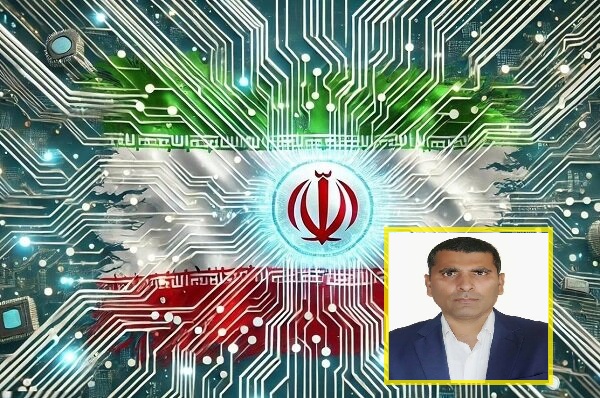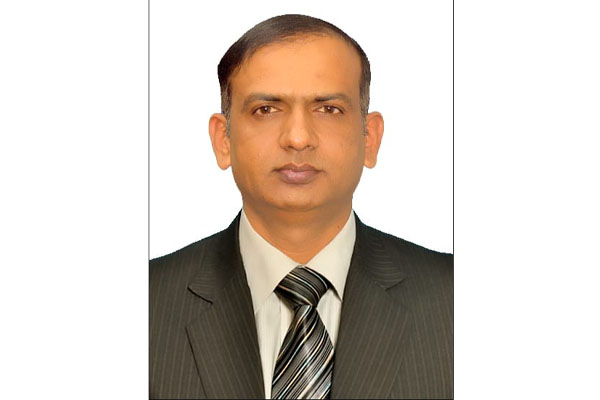
The recent ceasefire efforts between the United States and Iran has emerged as one of the most significant diplomatic breakthroughs of recent times. At a moment when global tensions were escalating rapidly and fears of a wider regional war were increasing, an unexpected force of stability emerged from South Asia.
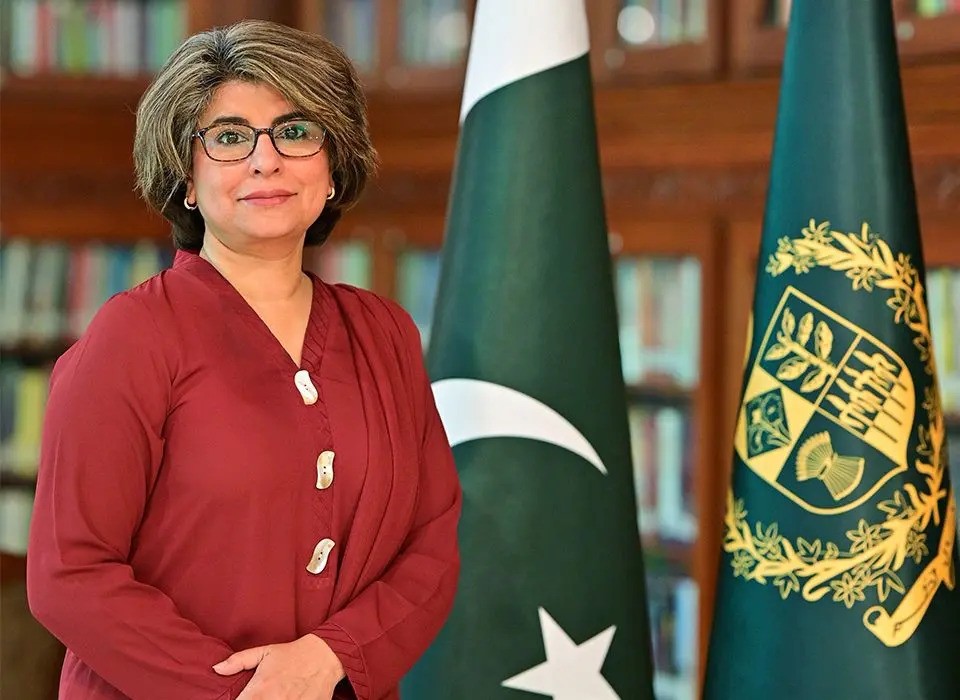
That force was Pakistan—acting quietly, responsibly, and strategically through its foreign policy institutions. At the center of this diplomatic success stands Pakistan’s Foreign Secretary, Honorable Amna Baloch, whose leadership has been widely appreciated for transforming a dangerous crisis into an opportunity for peace.
Her sincere efforts were not just a ceasefire but it is a demonstration that modern diplomacy, when guided by balance and foresight, can prevent large-scale conflict and possibly save entire civilizations from devastation.
Pakistan’s Quiet but Powerful Diplomatic Role
In global politics, loud statements often dominate headlines. However, Pakistan’s role in this instance was defined by quiet engagement, consistent communication, and careful mediation.
For several weeks, Pakistan’s Ministry of Foreign Affairs maintained continuous diplomatic contact with multiple stakeholders. These included direct and indirect channels with Washington and Tehran, alongside consultations with other influential regional actors.
The guiding principle of this effort was simple: avoid escalation and encourage dialogue at all costs.
Under the strategic coordination of Amina Baloch, Pakistan positioned itself not as a power seeking influence, but as a responsible state committed to regional and global stability.
Amna Baloch: Leadership Rooted in Intellectual Depth
The diplomatic success of this mission cannot be understood without recognizing the intellectual and professional background of Amna Baloch.
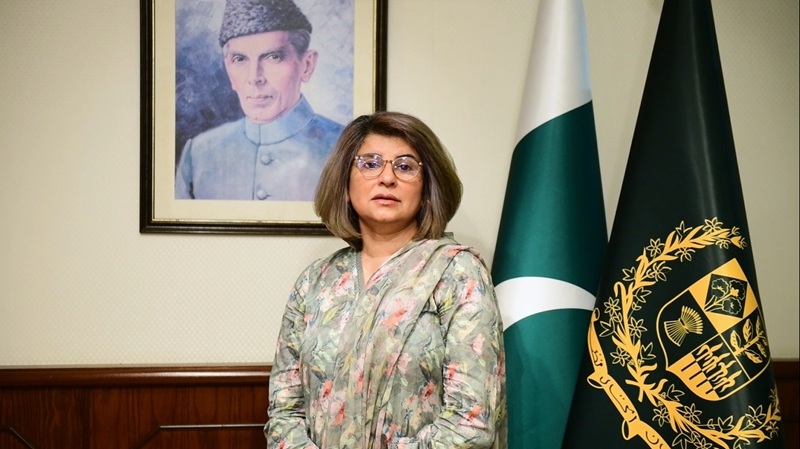
Ambassador Amna Baloch, who assumed charge as the 33rd Foreign Secretary of Pakistan on 11 September 2024, is a highly experienced and accomplished diplomat with a distinguished career spanning over three decades in Pakistan’s Foreign Service. Since joining the Ministry of Foreign Affairs in 1991, she has served in key diplomatic and administrative roles across the world, including postings in Denmark, Sri Lanka, China, Malaysia, Belgium, Luxembourg, and the European Union.
Her leadership roles as High Commissioner to Malaysia and Ambassador to the EU highlight her strategic contribution to strengthening Pakistan’s bilateral and multilateral relations. With a strong academic background in History from Quaid-e-Azam University and an MBA from Nanyang Technological University, Singapore, Ambassador Baloch brings intellectual depth, professional excellence, and a results-driven approach to Pakistan’s foreign policy at the highest level.
She comes from a distinguished academic family. Her father, Dr. Nabi Bakhsh Baloch, was a respected scholar in Urdu and Sindhi literature, while her mother, Khadija Begum, contributed significantly to education. This environment shaped her worldview—one grounded in knowledge, tolerance, and analytical reasoning.
Her upbringing is reflected in her diplomatic approach: calm under pressure, structured in negotiation, and balanced in judgment.
Rather than adopting confrontational rhetoric, she has consistently emphasized dialogue, mutual respect, and pragmatic compromise as essential tools of international relations.
Career Journey: From Bilateral Relations to Global Diplomacy
Before her current role, Amna Baloch served in multiple key diplomatic positions that strengthened Pakistan’s global standing.
As High Commissioner to Malaysia, she worked on enhancing economic cooperation, cultural exchange, and educational partnerships. Her tenure helped reinforce trust and mutual understanding between the two nations.
Later, as Ambassador to the European Union and Belgium, she played a central role in strengthening Pakistan’s economic engagement with Europe. One of her notable contributions was supporting frameworks like trade facilitation under the GSP Plus arrangement, which significantly benefited Pakistan’s export economy.
She also managed additional responsibilities in Luxembourg, demonstrating her administrative capacity and diplomatic versatility.
Each role contributed to her ability to manage complex international negotiations—skills that proved essential in the recent crisis involving the United States and Iran.
The Ceasefire Breakthrough: A Case Study in Modern Diplomacy
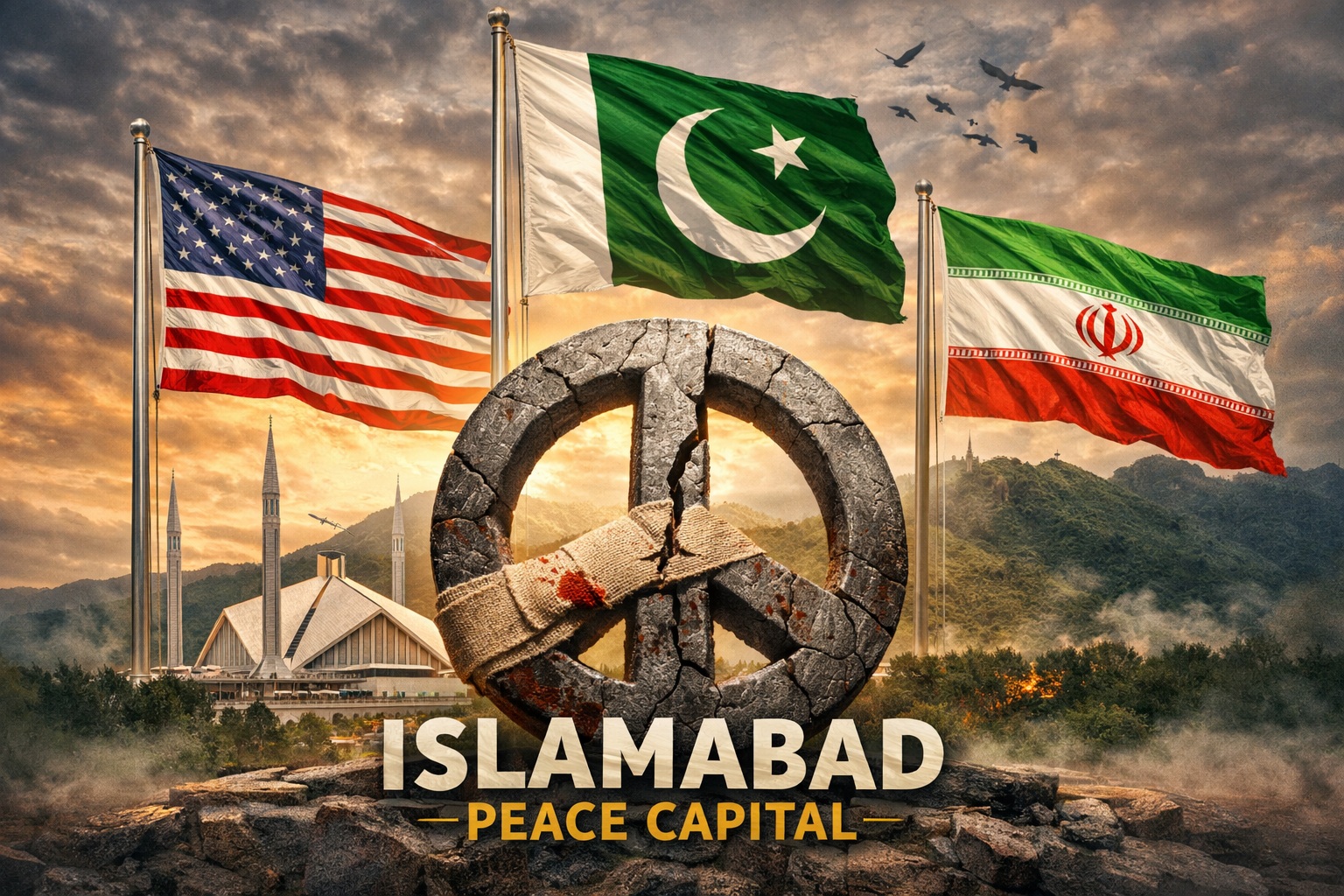
The US-Iran tensions had reached a critical stage where miscalculation could have triggered military escalation. The consequences of such a conflict would have been catastrophic—not only for the Middle East but for global energy security, trade routes, and geopolitical stability.
In this fragile environment, Pakistan’s diplomatic engagement became a stabilizing force.
The strategy was based on three core principles:
- De-escalation through dialogue
- Balanced communication with both parties
- Avoiding public confrontation while ensuring private negotiation channels remain active
Amna Baloch played a central coordinating role in ensuring these principles were consistently applied.
Her approach reflected a deep understanding of conflict dynamics: that lasting peace is rarely achieved through pressure, but through trust-building and sustained communication.
Pakistan’s Rising Global Image
This diplomatic success has significantly strengthened Pakistan’s global image as a responsible and peace-oriented nation.
For years, international discourse about Pakistan has often been shaped by regional challenges. However, this development highlights a different narrative—one where Pakistan emerges as a mediator rather than a bystander.
Analysts suggest that Pakistan’s foreign policy framework is increasingly aligning with proactive diplomacy. Instead of reacting to crises, Pakistan is now participating in shaping outcomes.
The US-Iran ceasefire is a strong example of this shift.
A New Direction in Foreign Policy
The success of this diplomatic effort suggests an evolving direction in Pakistan’s foreign policy. It reflects:
- A shift toward preventive diplomacy
- Greater emphasis on multilateral engagement
- Increased reliance on professional diplomatic expertise
- A long-term vision for regional stability
Under the leadership of professionals like Amna Baloch, Pakistan is gradually positioning itself as a bridge between conflicting powers rather than being caught between them.
Conclusion: Diplomacy as a Tool to Save Civilization
The US-Iran ceasefire represents more than just the end of a political standoff. It is a reminder that diplomacy remains the most powerful tool for preventing war.
Through careful coordination, strategic patience, and intellectual diplomacy, Pakistan has demonstrated that even deeply rooted conflicts can be de-escalated.
At the heart of this success is the leadership of Amna Baloch, whose work reflects a broader vision: a world where dialogue replaces destruction, and cooperation replaces confrontation.
This is not just a diplomatic achievement—it is a vision for saving an entire civilization from the cycle of conflict.
And in that vision, Foreign Secretary Amna Baloch has played a pivotal role for a meaningful and historic step forward on the global stage.
Czechangez Khan Jadoon is a senior journalist having rich experience of reporting foreign affairs and global relations.