In today’s fast-changing world, headlines are dominated by conflicts involving Iran, the United States, Israel, and other regions. But are these isolated events—or part of a much larger global strategy?
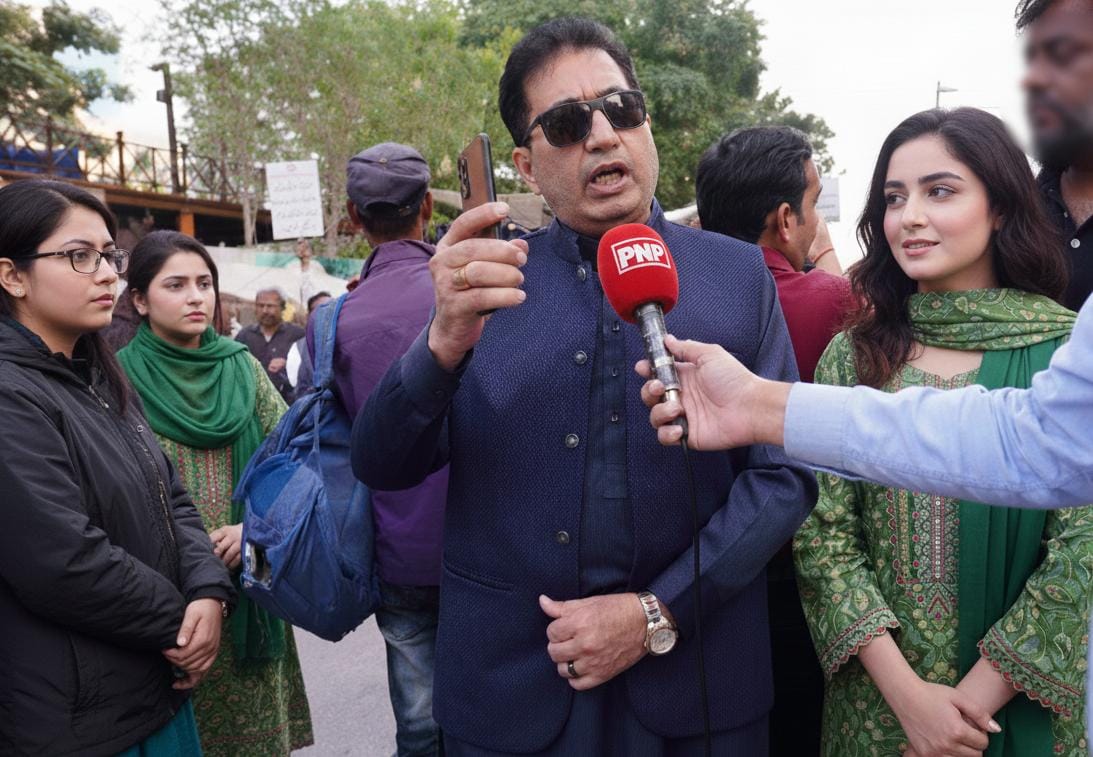
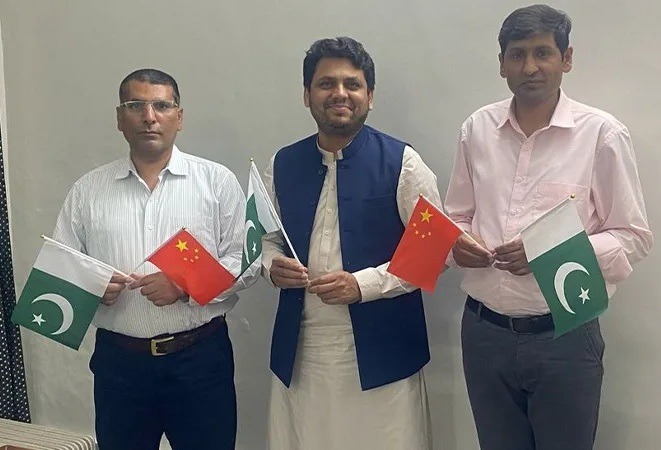
In this exclusive interview with the Press Network of Pakistan (PNP), renowned Pakistani expert and researcher on China Affairs, Dr. Mohammad Arif, who frequently appears on the state-run TV channel, breaks down complex geopolitics into a deeper, interconnected narrative. With simple questions and detailed, thought-provoking answers, he explains why China Global Strategy may be at the center of it all.
Q1: How do you see the current global situation?
Dr. Mohammad Arif:
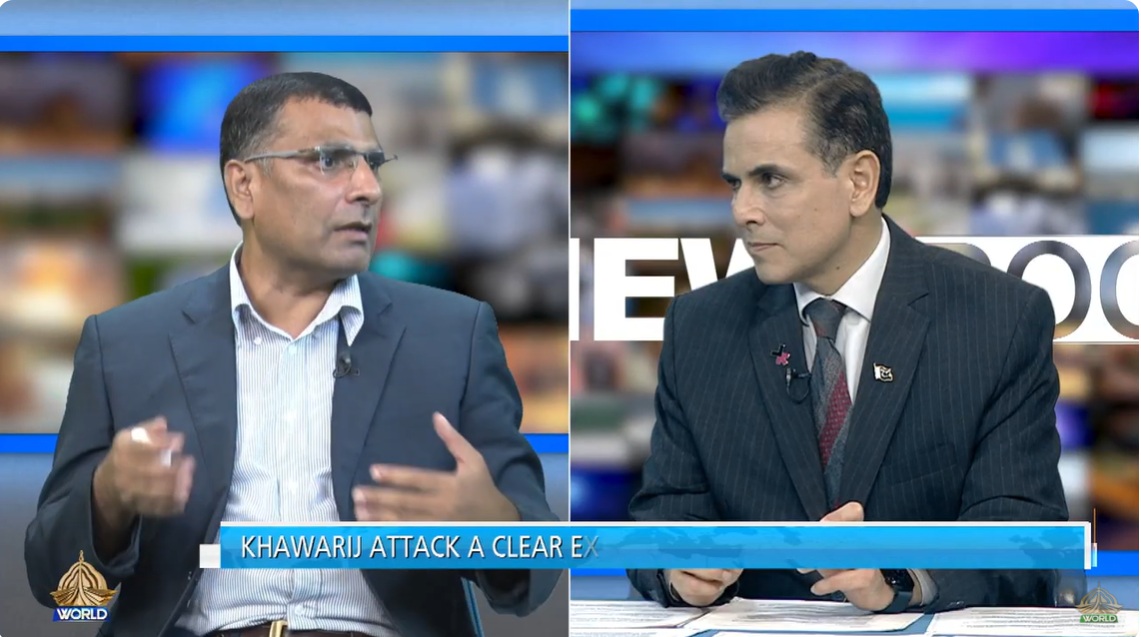
Most people are looking at global events in isolation. They see Iran, they see tensions involving Ali Khamenei, they see the role of Israel, and they assume this is a regional issue.
But I see something much bigger.
This is not just about Iran. It is about a shift in global power. We are living in a period where one global power—the United States—is being challenged by a rising power, which is China.
Whenever such transitions happen in history, conflicts are rarely direct at first. Instead, they appear as separate crises in different parts of the world. But when you connect the dots, a clear pattern emerges.
Q2: Can you explain the situation with a simple example?
Dr. Mohammad Arif:
Yes, let’s simplify the China Global Strategy through two key events that seem completely unrelated.
First, what happened in Venezuela. The United States took strong action against the government of Nicolás Maduro. The global debate focused on democracy and legality.
But very few people asked: Who was buying Venezuela’s oil? The answer is China.
Venezuela was supplying around 800,000 barrels of oil per day to China. When instability hit Venezuela, that supply was disrupted.
Now look at Iran. Again, tensions rise, conflict escalates, and global attention focuses on nuclear issues and regional security.
But again, the key question is ignored: Who was Iran’s largest oil customer? China.
Iran was exporting nearly 1.5 million barrels per day to China. With conflict, that supply also becomes uncertain or stops.
So, two different countries, two different narratives—but the same outcome: China’s energy supply is affected.
Q3: Do you think this is part of a deliberate China containment plan?
Dr. Mohammad Arif:
Yes, I believe this is strategic, not accidental.
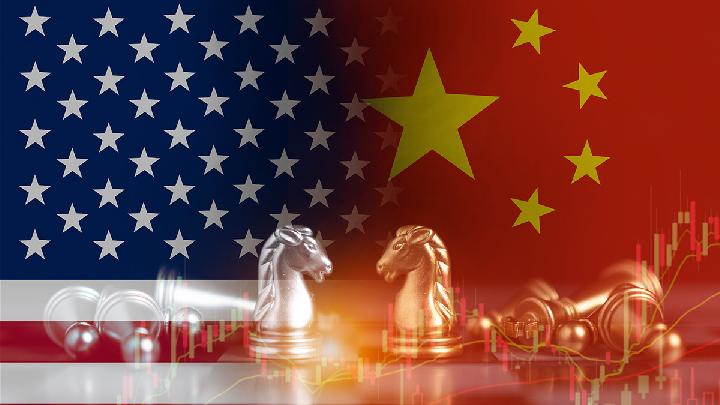
To understand this, we can refer to the theory of Ray Dalio. He explains that when a rising power comes close to challenging an established power, conflict becomes almost inevitable.
History shows us this pattern clearly:
-
The rise of Germany led to the World War I
-
The rise of Japan contributed to the World War II
-
The rivalry between the Soviet Union and the United States led to the Cold War
Undoubtedly, China, under President Xi Jinping, is the rising power.
So what we are seeing today is not unusual—it is part of a historical pattern of power transition.
Q4: Why is China seen as such a major challenge?
Dr. Mohammad Arif:
China’s strength lies in its economic scale.
It produces nearly 28% of the world’s manufacturing output. That is an enormous share. Many experts believe that by 2030, China could become the world’s largest economy, surpassing the United States.
This creates a serious concern for the United States.
For any superpower, the most dangerous moment is when a rival is about to overtake it. If that moment passes, the balance of power changes permanently.
So the question becomes: Do you stop the rival now—or risk losing dominance forever?
Q5: What is the biggest weakness in the China Global Strategy?
Dr. Mohammad Arif:
Just think of China as a massive engine. It powers a large part of the global economy. But this engine does not produce enough fuel for itself.
China imports about 73% of its oil needs.
Its major oil suppliers include:
-
Venezuela
-
Iran
-
Russia
-
Saudi Arabia
Now observe what has happened:
-
Venezuela: disrupted
-
Iran: unstable
-
Russia: under sanctions
-
Saudi Arabia: facing regional tensions
If you want to slow down this engine, you don’t attack it directly—you cut off its fuel supply.
Q6: How significant are these developments?
Dr. Mohammad Arif:
The impact is very significant.
From Venezuela, China was getting about 800,000 barrels per day.
From Iran, about 1.5 million barrels per day.
That is a total of 2.3 million barrels per day.
China imports roughly 11 million barrels daily. So this disruption can affect around 20% of its oil supply in a short period.
That is not a small shock—it is a major strategic pressure point.
And yet, most people don’t notice it because they are focused on the visible conflicts.
Q7: What role does trade play in the China Global Strategy?
Dr. Mohammad Arif:
International Trade is central.
China has launched a massive global project called the Belt and Road Initiative.
This project connects China to Europe through roads, railways, ports, and pipelines. It is one of the largest infrastructure projects in history.
Why is this important?
Because whoever controls trade between Asia and Europe controls a major part of the global economy.
Q8: How important is Europe in the China Global Strategy?
Dr. Mohammad Arif:
Europe is extremely important.
Countries like:
-
Germany
-
France
-
Italy
are increasingly engaging with China economically.
In fact, some European countries have joined or cooperated with China’s Belt and Road Initiative.
For the United States, this creates another challenge: losing influence over Europe.
If Europe moves closer to China economically, it weakens America’s global position. Such situation thus strengthens the China Global Strategy, but also creates concern for the United States.
Q9: Where does Iran fit into the China Global Strategy?
Dr. Mohammad Arif:
Iran is a key link geographically for the China Global Strategy.
It acts as a bridge between Asia and Europe. For China’s trade routes to function smoothly, stability in Iran is essential.
If Iran becomes unstable, two things happen:
-
China loses an energy supplier
-
Its trade routes toward Europe are disrupted
So Iran is not just a country in conflict—it is a strategic link in a much larger system. Without stability in Iran, the China Global Strategy trade routes become vulnerable.
Q10: Why is Taiwan critical in this situation?
Dr. Mohammad Arif:
Taiwan is apparently critical because of technology. Control over Taiwan directly impacts the China Global Strategy
About 90% of the world’s most advanced semiconductor chips are produced there. These chips are used in everything—phones, cars, military systems, artificial intelligence.
So whoever controls Taiwan gains enormous technological power.
The United States says it will defend Taiwan.
China says Taiwan is part of its territory.
There is no easy compromise here. That is why Taiwan is considered the most dangerous potential conflict point. When you analyze deeply, all these developments are interconnected pressures on the China Global Strategy.
Q11: How do all these elements connect?
Dr. Mohammad Arif:
All such critical developments form a single strategy.
Think of it like preparing for a major competition. Before the final match, you weaken your opponent.
-
Cut energy supply
-
Disrupt trade routes
-
Reduce alliances
-
Increase pressure
As far as China Global Strategy is concerned, that is what we are seeing:
-
Venezuela: affected
-
Iran: unstable
-
Russia: restricted
-
Europe: shifting
-
Taiwan: future confrontation
These are not separate events—they are connected steps.
Q12: Is there an economic angle for the United States?
Dr. Mohammad Arif:
Yes, there is.
Conflicts increase demand for weapons. Countries in the Middle East—like Saudi Arabia, United Arab Emirates, and Qatar—increase their defense spending during crises.
And who sells these weapons? Mostly the United States. This benefits U.S. arms exports while indirectly challenging the China Global Strategy. So every conflict also creates economic opportunities through arms sales.
Q13: What is your final analysis regarding ongoing conflict?
Dr. Mohammad Arif:
I would say this:
What people see are separate conflicts.
What I see is one interconnected strategy.
There are multiple fronts:
-
Venezuela
-
Iran
-
Russia
-
Europe
All of these directly influence the China Global Strategy.
The Real Meaning of China Global Strategy
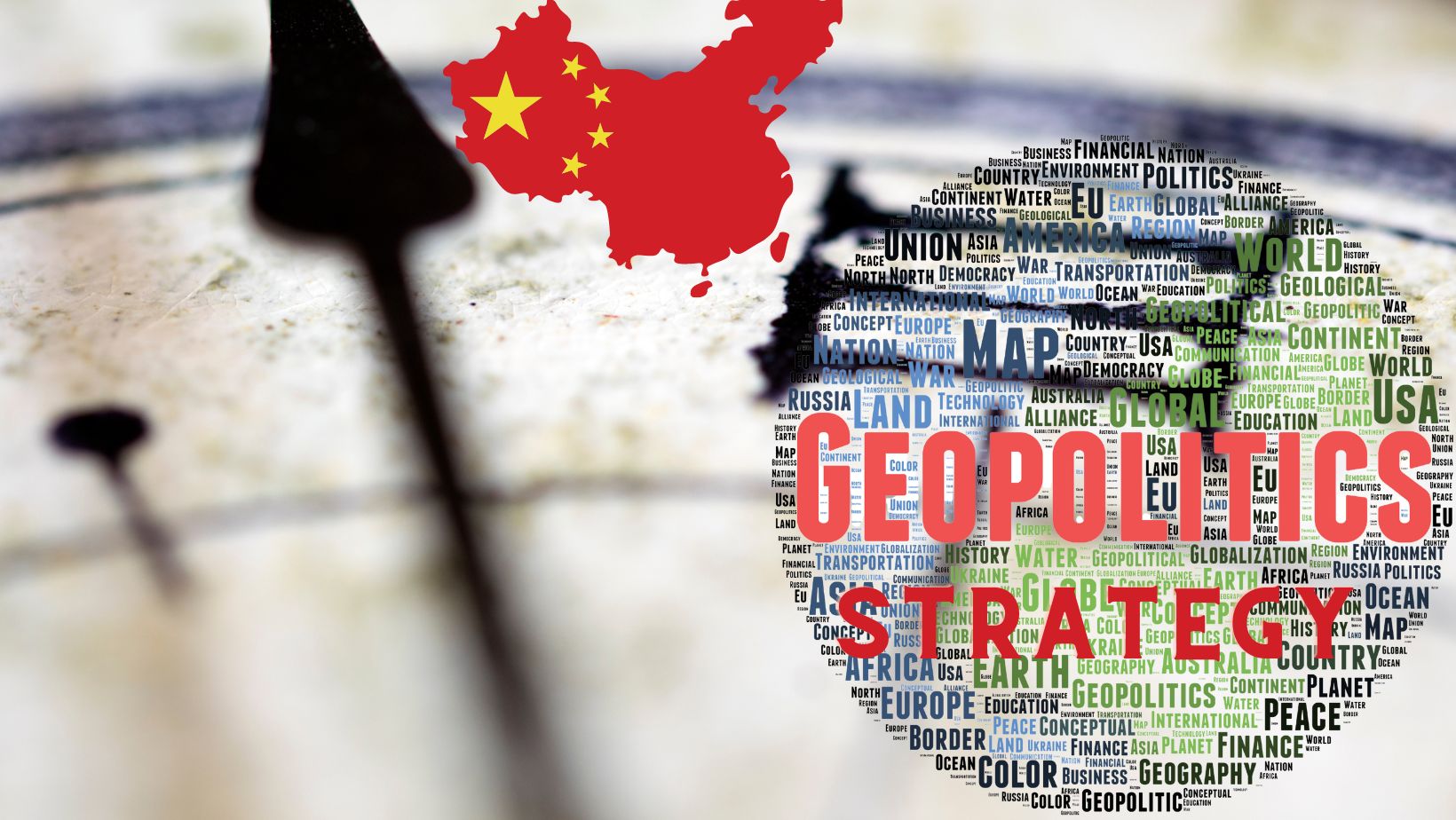
The concept of China Global Strategy helps us understand modern geopolitics beyond headlines.
Do not view these conflicts in isolation.
People see separate wars but ignore interconnected fronts.
Venezuela is a front. Iran is a front. Russia is a front. Europe is a front.
But the war is singular.
And the ultimate focus is China.
From energy supply disruptions to trade routes and technological rivalry, everything appears connected.
The key takeaway is simple:
This is not just about Iran or regional conflicts.
It is about a global shift in power—and the future of China.
Closing Note
This interview with Dr. Mohammad Arif challenges conventional narratives and urges a deeper examination of global events. As geopolitical tensions intensify, understanding the hidden connections between seemingly unrelated crises may be more important than ever.
Is the world witnessing fragmented conflicts—or a coordinated strategy aimed at reshaping global power?
According to Dr. Arif, the answer is clear.
Mr. Sabahuddin Qazi is a journalist, analyst and activist based in Islamabad.