
In a landmark move, the Government of Pakistan has formally established its first-ever Social Media regulatory authority, marking a significant shift in the country’s digital governance framework. This development comes under the amended provisions of the Prevention of Electronic Crimes Act (PECA) 2025, reflecting the government’s increasing focus on regulating online spaces, curbing misinformation, and ensuring digital accountability.
The newly formed body, known as the Social Media Protection and Regulatory Authority (SMPRA), is tasked with overseeing, monitoring, and regulating Social Media platforms operating within Pakistan. According to official notifications issued by the Ministry of Interior, the authority has been constituted with a chairman and multiple members appointed for a five-year term.
Background of Social Media Regulation in Pakistan
The regulation of online content has long been a debated issue in Pakistan. With the exponential growth of platforms such as Facebook, X (formerly Twitter), TikTok, and YouTube, concerns regarding fake news, hate speech, cyber harassment, and national security have intensified.
The foundation for this authority was laid through amendments in the PECA law in 2025. These amendments introduced new structures, including SMPRA, to provide a legal framework for regulating online content and platforms.
Previously, regulatory oversight of electronic media was handled by PEMRA, but the rise of digital platforms created a regulatory gap. The creation of a dedicated Social Media authority aims to bridge this gap and ensure that online content is governed under a structured legal mechanism.
Key Functions of the Social Media Authority
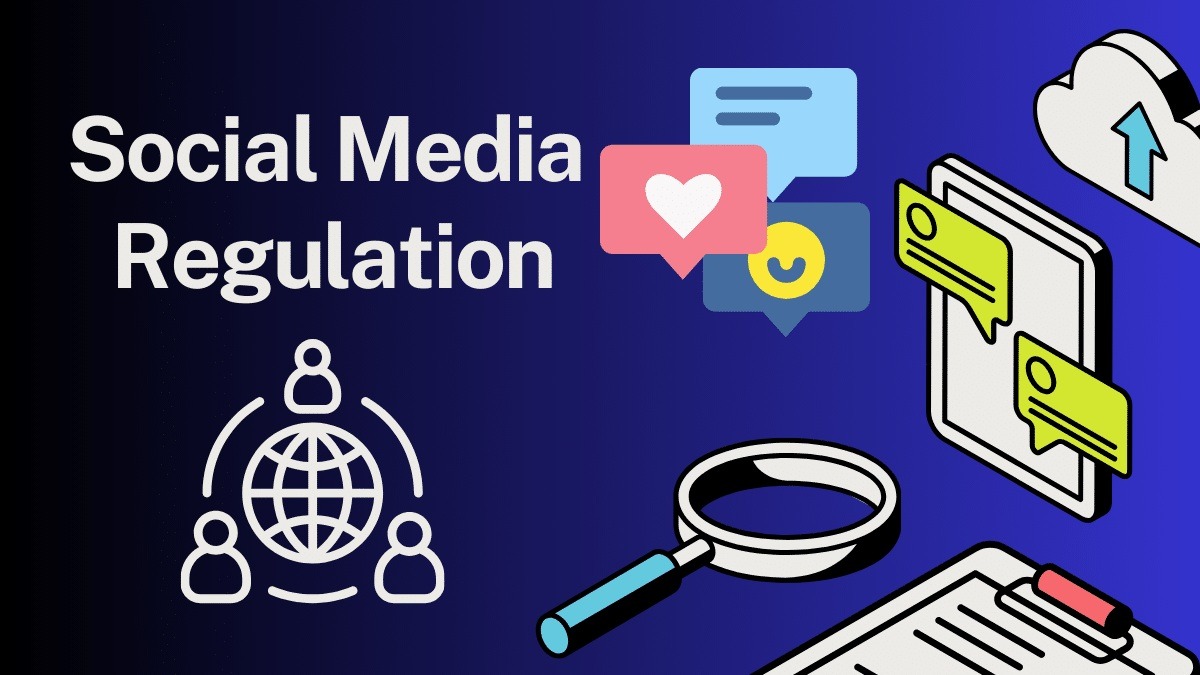
The Social Media regulatory authority has been granted extensive powers under the amended law. Its core responsibilities include:
-
Monitoring and regulating unlawful or offensive content on the internet
-
Enforcing compliance of digital platforms with Pakistani laws
-
Registering and licensing Social Media platforms
-
Blocking or restricting platforms that fail to comply
-
Issuing guidelines and policies for digital content
According to legal experts, the authority can also direct the removal of content deemed harmful within a specific timeframe.
Additionally, the authority is expected to collaborate with law enforcement agencies to address cybercrime, online harassment, and digital fraud.
Members of the Social Media Authority
The Government of Pakistan has appointed a diverse team of professionals to lead the newly established Social Media Protection and Regulatory Authority (SMPRA). The authority is headed by Ayyaz Shaukat as Chairman, bringing leadership to the institution responsible for regulating online platforms across the country.
| S. No. | Name | Father Name | Position |
|---|---|---|---|
| 1 | Ayyaz Shaukat | Muhammad Shaukat Awan | Chairman |
| 2 | Sohail Iqbal | Aman Ullah | Member |
| 3 | Adnan Khan | Ali Said | Member |
| 4 | Muhammad Salman Zafar | Zafar Iqbal Khan | Member |
| 5 | Fahad Malik | Azhar Saleem Malik | Member |
| 6 | Muhammad Saad Ali | Chaudhary Ijaz Ahmed | Member |
According to the amendment, the remaining two members are to be a journalist and a software engineer. The chairman and the members will be appointed for a period of five years. This team is entrusted with a five-year mandate to oversee Social Media regulation, ensure compliance with national laws, and address emerging challenges in the digital landscape.
Government’s Perspective on Social Media Regulation
The government has defended the establishment of the Social Media authority as a necessary step to combat misinformation and ensure online safety. Officials argue that unregulated online content poses risks such as fake news dissemination, cyberbullying, and threats to national security.
The introduction of SMPRA is part of broader reforms aimed at strengthening Pakistan’s digital ecosystem. Authorities believe that proper regulation will promote responsible use of the internet while protecting citizens from harmful content.
Furthermore, the authority is expected to introduce complaint mechanisms, enabling users to report violations and seek redress.
Concerns Over Press Freedom and Digital Rights
Despite the government’s justification, the establishment of a Social Media regulatory authority has sparked criticism from journalists, digital rights activists, and civil society organizations.
Critics argue that the broad powers granted to the authority could lead to censorship and suppression of dissent. The law introduces penalties, including imprisonment and fines, for spreading what is termed “false or fake information.”
Human rights organizations have raised concerns about vague definitions within the law, warning that it may be used to target journalists, political opponents, and independent voices.
Pakistan has already witnessed instances of internet restrictions and content blocking, with millions of URLs reportedly restricted under existing laws.
Judicial and Public Oversight
The role of the judiciary in overseeing Social Media regulation has also gained prominence. The Islamabad High Court has previously sought reports from the government regarding measures taken to regulate online platforms, particularly concerning the protection of minors.
Globally, similar regulatory frameworks are emerging, especially concerning child safety and misinformation. Countries such as Australia, France, and the UK are also introducing stricter Social Media regulations, indicating a broader international trend.
Implications for Users and Platforms
The establishment of a Social Media regulatory authority will have far-reaching implications for both users and digital platforms in Pakistan.
For Users
-
Increased accountability for content shared online
-
Potential legal consequences for misinformation
-
Access to complaint mechanisms for grievances
For Platforms
-
Mandatory registration with the authority
-
Compliance with local laws and regulations
-
Risk of temporary or permanent bans for violations
This shift signals a move towards stricter digital governance, aligning Pakistan with global efforts to regulate digital environments.
The Way Forward
The success of the Social Media authority will largely depend on how it balances regulation with freedom of expression. While the need to curb harmful content is widely acknowledged, ensuring transparency, fairness, and accountability in enforcement will be critical.
Experts suggest that stakeholder engagement—including journalists, tech companies, and civil society—will be essential to develop a fair regulatory framework. Without inclusive policymaking, there is a risk of undermining democratic values and digital freedoms.
Conclusion
The establishment of Pakistan’s first Social Media regulatory authority marks a defining moment in the country’s digital evolution. While it promises improved governance, safety, and accountability in the online space, it also raises serious questions about censorship and freedom of expression.
As Pakistan moves forward with this initiative, the challenge will be to strike a delicate balance between regulation and rights. The future of digital media in the country will depend not just on laws, but on how they are implemented in practice.
Dr. H. Zafar is a distinguished writer and analyst associated with Press Network of Pakistan as Associate Editor. With a strong academic background and years of research experience, she brings depth, clarity, and analytical rigor to her writings.