
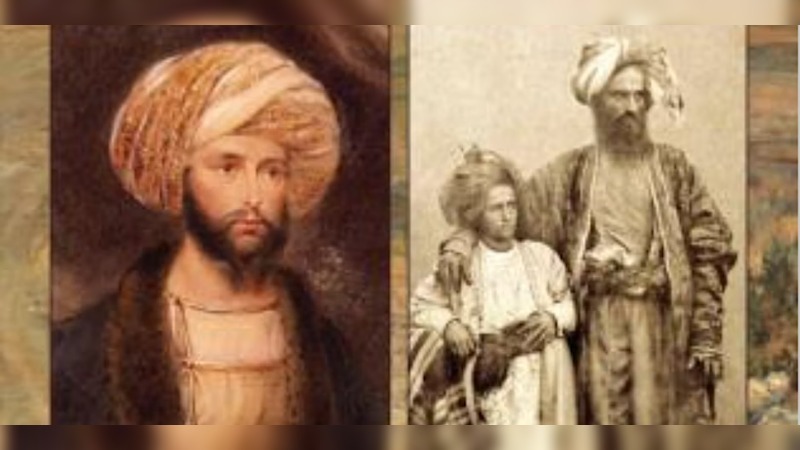
Today, on March 12, the northern city of Abbottabad, nestled in the lush green valleys of Pakistan’s Hazara region, quietly celebrates the legacy of Sir James Abbott, its founder. General Sir James Abbott (12 March 1807 – 6 October 1896) was a British East India Company officer in colonial India.
More than a century and a half ago, he arrived in Hazara as an officer of the East India Company, tasked with governing a region considered remote, challenging, and politically complex. The terrain was rugged, tribal loyalties were strong, and the area had limited infrastructure. Many administrators of the era saw Hazara as a burden, yet Abbott approached the region with a rare combination of administrative skill, foresight, and human empathy.
Founding Abbottabad: Vision Amidst the Mountains
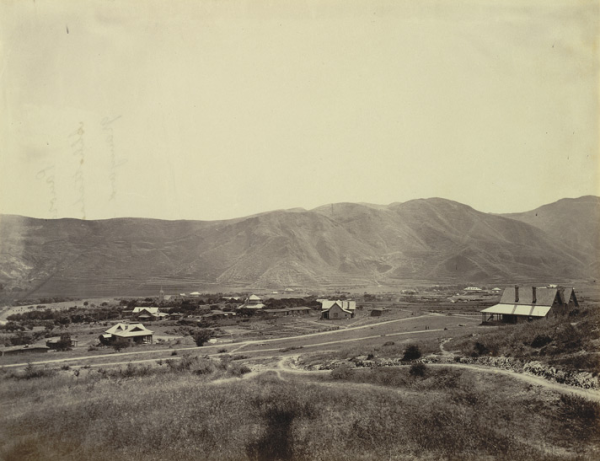
In 1853, Abbott was appointed the first Deputy Commissioner of Hazara. Recognizing the strategic and climatic advantages of the area, he established a military cantonment that would later grow into the city of Abbottabad, named in his honor. Abbott chose this location for its cool climate, natural defense, and fertile surroundings — characteristics that made it both a practical administrative center and a place of remarkable beauty.
Abbottabad began as a small settlement, but Abbott’s careful planning set the foundation for a city that would endure through the centuries. Roads, administrative buildings, and living quarters were laid out in a structured pattern. Beyond the practicalities, Abbott was deeply impressed by the green mountains, valleys, and rivers — the same landscapes that today define Abbottabad’s charm.
Sir James Abbott – A Leader Who Loved the People
Sir James Abbott’s administration went beyond military and bureaucratic concerns. He respected the local culture and traditions, often wearing traditional Hazara attire to connect with residents. He mediated disputes between tribal leaders and the British authorities with fairness and integrity. His humane approach made him not just an officer, but a figure the locals could trust and admire.
It is said that Abbott’s personal character left such an impression that even years later, when Pakistan gained independence, the people of Abbottabad resisted changing the city’s name — unlike other towns named after colonial figures. They insisted that Abbott was not just a British officer but a man whose legacy belonged to the people of Hazara as much as to history itself.
The Farewell Poem: Abbott’s Emotional Bond
When Abbott’s tenure in Hazara ended, he wrote a deeply emotional farewell poem titled “Abbottabad.” In it, he expressed his love for the mountains, rivers, and the people he had grown to respect. He wrote:
“I have left the land of Hazara and the mountains that I loved so much, but my heart will always remain in Hazara, no matter how far I may live.”
This poem remains one of the earliest recorded instances of a colonial officer expressing genuine emotional attachment to the land he administered, highlighting Abbott’s unique humanity.
Abbottabad Through History
Abbottabad’s growth mirrors the political and social shifts in the subcontinent. After the 1857 Rebellion, British rule strengthened its grip on India, and Abbott continued to administer the district, focusing on infrastructure, local governance, and peacekeeping among tribes. His efforts created stability in a region historically prone to conflict.
After Pakistan’s independence in 1947, a wave of renaming swept across the country to remove colonial-era names. However, the people of Abbottabad insisted the name remain. To them, Abbottabad was more than a colonial imprint — it symbolized the birth of a city, the cultivation of civic life, and the respect for local traditions Abbott had shown.
Modern Abbottabad: Education, Military, and Tourism Hub
Today, Abbottabad is a vibrant city with multiple facets:
-
Education: Home to several universities and colleges, including Ayub Medical College, the city has become an educational hub for northern Pakistan.
-
Military: The prestigious Pakistan Military Academy (PMA), Kakul, trains the country’s future military officers.
-
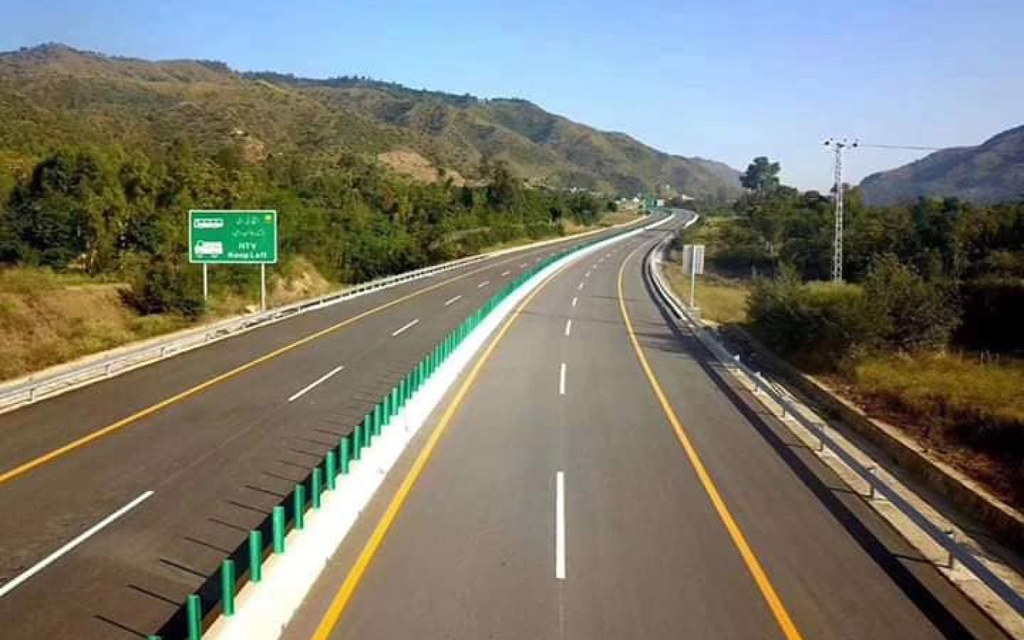
Tourism: Abbottabad serves as the gateway to the northern scenic regions, including Nathia Gali, Ayubia, and Galiyat, and connects to the Karakoram Highway, attracting tourists from across Pakistan and abroad.
This evolution shows how it has grown from a small cantonment into a city of national importance while preserving the historical and cultural legacy Abbott established.
A Living Legacy
In many ways, Abbottabad proves that a city’s soul is defined not merely by its geography but by the vision, values, and relationships that shape it. Sir James Abbott’s heart may have once physically left Hazara, but his memory and influence remain deeply embedded in the mountains, valleys, and streets of entire district. Today, it thrives as a center of learning, culture, and tourism, a living monument to its founder’s enduring legacy.
On this 219th birthday of Sir James Abbott, Abbottabad stands not only as a city of natural beauty but also as a city that honors its history, celebrates its people, and cherishes the man whose vision continues to shape it.