
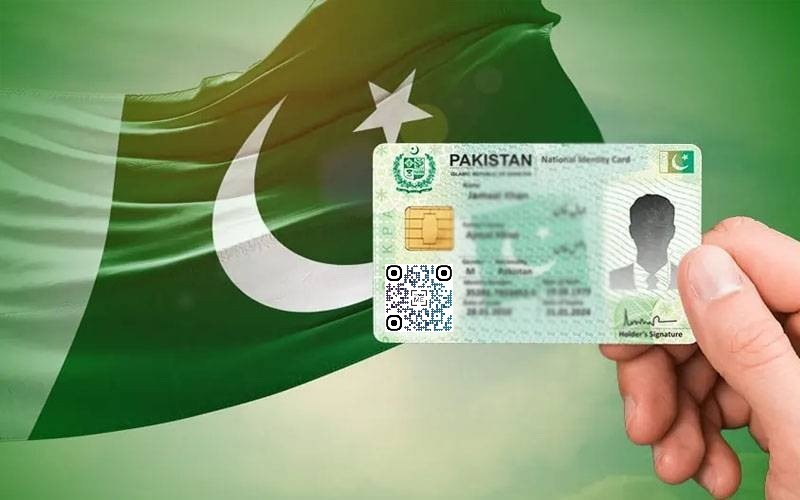
The Government of Pakistan, in a landmark move towards modern digital governance, has taken a significant step forward by introducing a QR-enabled national identity system, fundamentally revamping how citizens’ identities are verified and utilised across public and private services. The new framework, officially promulgated through amendments to the National Identity Card (NIC) Rules and the Pakistan Origin Card (POC) Rules, 2002, represents a major transition in Pakistan’s identity infrastructure — aligning it with international standards of security, convenience, and technological innovation.
The Vision: “One Nation – One Identity”
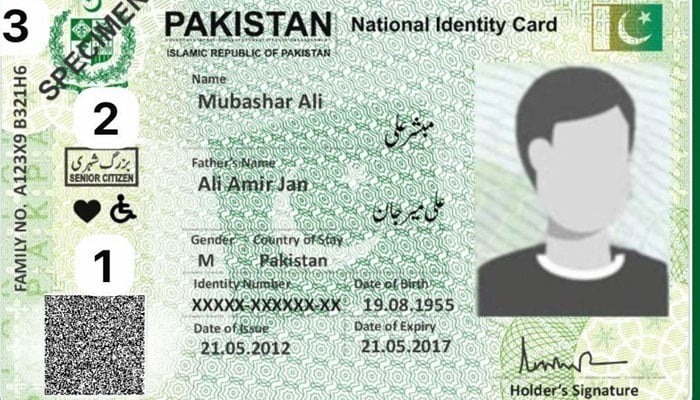
Under the government’s bold “One Nation – One Identity” vision, the longstanding issue of multiple identity card formats has finally been addressed. Previously, Pakistan had two parallel national ID card formats — one with an embedded chip and another without — leading to fragmentation in verification systems, inconsistent user experiences, and increased potential for fraud. The new system unifies these into a single, more secure, and machine-verifiable identity card at scale.
This consolidation is not just cosmetic. It fundamentally transforms how identity is established, validated, and protected across government departments, financial systems, digital platforms, and everyday citizen interactions.
The Growing Importance of QR Codes in Modern Identity Systems
QR codes have become a cornerstone of modern digital infrastructure, enabling fast, secure, and contactless verification across industries ranging from banking and healthcare to travel and e-governance. Their ability to store encrypted, machine-readable data in a compact format allows instant authentication using smartphones or authorised scanners, reducing manual checks and minimizing fraud risks. In national identity systems, QR-enabled codes enhance efficiency by enabling real-time verification while maintaining data integrity and traceability. As governments worldwide transition toward digital services and paperless ecosystems, QR-enabled technology plays a vital role in strengthening security, improving citizen convenience, and supporting seamless integration between physical identification and online platforms.
What is a QR-Enabled CNIC Cards?
At the heart of the reform is the formal introduction of QR codes — those square barcodes you’ve likely seen everywhere, from restaurant menus to airline boarding passes — now legally embedded into Pakistan’s national identity cards. But these are not ordinary QR codes; they are:
-
Secure and machine-readable
-
Capable of storing encoded identity information
-
Designed for both offline and online verification
-
Scannable using authorised devices or applications for instant authentication
In essence, each QR-enabled card becomes a gateway to authenticated identity data that can be accessed rapidly, securely, and conveniently.
Importantly, the government has built flexibility into the legal framework, allowing the use of QR codes or any future technological feature, ensuring Pakistan’s identity system can evolve with emerging innovations without repeated rule changes.
Strengthening Security and Identity Assurance
Security has been a core focus of the updated framework utilizing the Qr-enabled modern technology:
1. Enhanced Biometric Features
The new rules explicitly recognise fingerprints and iris scans as valid modalities for biometric authentication. This move elevates identity verification to a multi-modal biometric standard — a key feature in reducing identity fraud, strengthening trust, and aligning with global best practices.
2. Fraud Prevention Mechanisms
The system introduces robust fraud controls. If any national ID card is suspended — whether due to misuse, loss, or legal issues — all associated verification and authentication services are automatically blocked. This helps prevent the suspended credential from being used digitally or institutionally anywhere in the ecosystem.
Citizen Facilitation: What’s In It for the Public?
Beyond security enhancements, the reforms introduce a suite of citizen-friendly features designed to make life easier for everyday Pakistanis:
Lifetime Validity Cards for Seniors
Citizens aged 60 and above — whether they live in Pakistan or abroad — will now receive ID cards with lifetime validity. These cards will also carry a distinctive senior-citizen logo, removing the need for constant renewals and significantly reducing administrative hassles for older citizens.
Standardised Identification for AJK Residents
Residents of Azad Jammu & Kashmir (AJK) will now have a standardised identity card with a specific inscription confirming their residency status. This eliminates ambiguities and helps in administrative clarity.
Updated Card Formats for All Citizens
The government has comprehensively updated specimen formats for all major ID categories, including:
-
Resident citizens
-
Overseas Pakistanis
-
Persons with disabilities
-
Child registration certificates
-
Organ donors
-
Combined categories (e.g., special codes for unique citizen classes)
All of these formats now embed the QR code as a core security feature, ensuring consistency and modernity across the national identity ecosystem.
Advantages of a QR-enabled ID System
The QR-enabled national ID system offers multiple advantages:
1. Fast and Efficient Verification
QR codes allow instant, front-end validation of identity attributes in person or digitally, speeding up everything from government service applications to banking and commercial verification.
2. Better Integration with Digital Services
With scanning and verification capabilities, the system supports seamless interoperability with digital platforms — crucial for services like mobile apps, online forms, e-government applications, and future e-wallet integrations.
3. Reduced Manual Checks
Gone are the days of manual, slow identity confirmation. Scanning a QR code can instantly authenticate a cardholder’s identity, reducing wait times and administrative costs.
4. Lower Fraud and Impersonation Risks
Because the QR code is secure and digitally tied to biometric and encoded data, attempts at impersonation or fraudulent identity usage become significantly harder.
Context: Pakistan’s Digital Identity Journey
The QR empowerment reform is not happening in isolation. Pakistan has been steadily moving toward digital identity and digital governance for years, including efforts like:
-
The launch of digital ID wallets and mobile identity apps
-
Online biometric verification services
-
Digital portals for NADRA services
This latest reform ties these technologies together in a legally robust, future-ready identity architecture that can adapt and expand with technological progress.
Potential Challenges and Considerations
While the system introduces significant benefits, there are important considerations policymakers and citizens must keep in mind:
-
Privacy and Data Security: Centralising identity data, even in QR-enabled codes, raises questions about data protection, privacy, and misuse. Clear policies and robust security safeguards are essential.
-
Digital Literacy: QR-enabled scanning and digital verification assume some level of digital capability — which may be challenging for older or less tech-savvy citizens.
-
Infrastructure: Successful implementation requires a wide network of scanners, compatible mobile apps, and trained personnel across government services and private sectors.
Looking Ahead
Pakistan’s QR-enabled national ID system is an important milestone in the country’s digital transformation. It modernises how citizens are identified and verified, enhances security, and lays the groundwork for future innovations such as digital wallets, secure online transactions, and expanded e-governance services.
As Pakistan continues to digitise public services, the success of this initiative will depend on thoughtful implementation, widespread adoption across sectors, and continuous investment in security, inclusivity, and citizen education.

Dr. H. Zafar is a distinguished writer and analyst associated with Press Network of Pakistan as Associate Editor. With a strong academic background and years of research experience, she brings depth, clarity, and analytical rigor to her writings.