
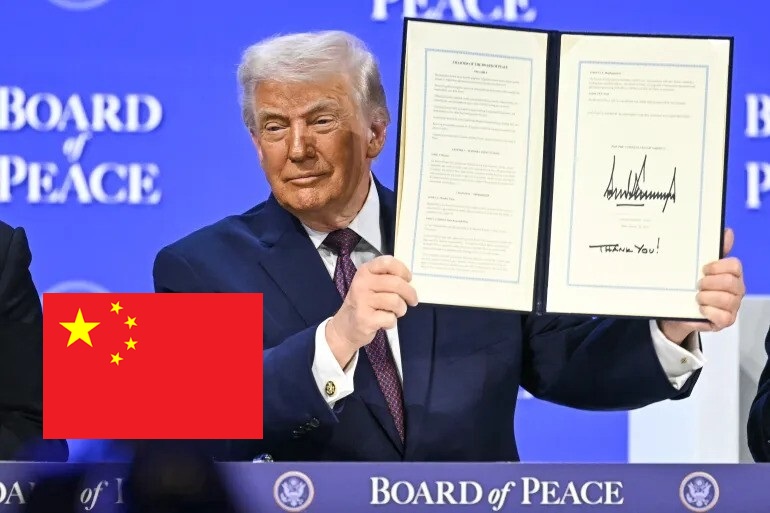
The creation of the Board of Peace (BoP) has been hailed as a potential milestone in global diplomacy, offering a platform for conflict resolution, multilateral engagement, and cooperative security. While several countries have expressed interest and even participated in its first meetings, China’s absence has sparked curiosity and debate across international forums. Understanding Beijing’s position requires analyzing China’s strategic priorities, historical foreign policy philosophy, and careful approach to new multilateral frameworks.
China’s Cautious Approach to New Multilateral Platforms
China’s foreign policy is often characterized by strategic patience, incremental engagement, and an emphasis on sovereignty. Unlike Western powers that sometimes rush into new diplomatic institutions, Beijing tends to adopt a wait-and-watch approach. Joining a nascent forum such as the Board of Peace without a clear understanding of its structure, membership rules, or strategic benefits could expose China to unnecessary political and diplomatic risks.
For China, participation in a new international body is never automatic—it must align with long-term national interests. The BoP’s mission, leadership, and charter are still evolving, and China may prefer to evaluate its influence potential before committing. In other words, absence is often a calculated diplomatic move rather than indifference.
Alignment With China’s Principle of Non-Interference
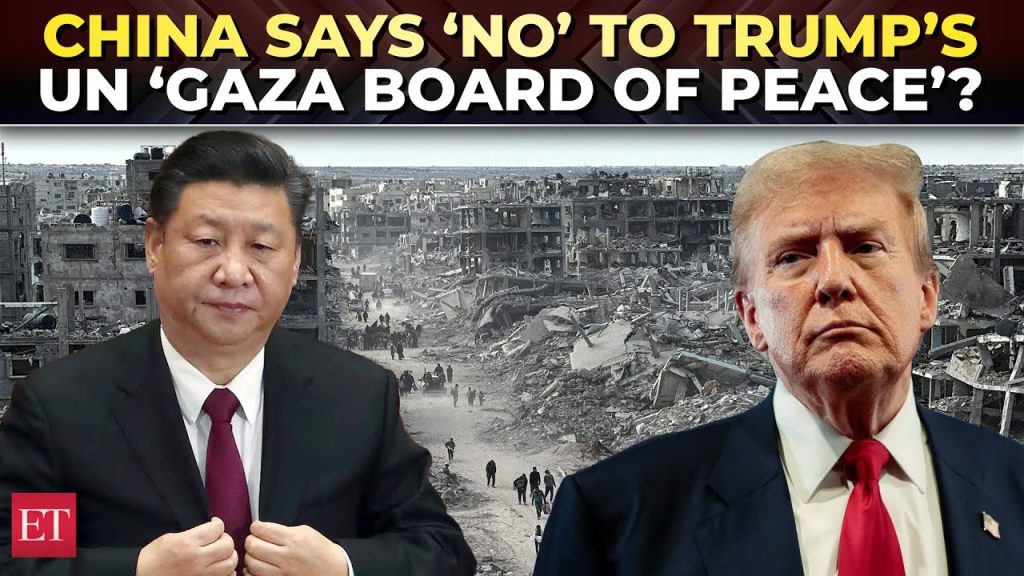
One of the core tenets of Chinese foreign policy is non-interference in the domestic affairs of other states. China has consistently emphasized that global conflicts should be resolved through dialogue, bilateral negotiation, or multilateral mechanisms that respect sovereignty. While the Board of Peace emphasizes mediation and conflict resolution, the risk of being perceived as intervening in sensitive disputes may deter China from early participation.
Beijing is cautious about platforms that could pressure it to take sides or adopt positions on conflicts outside its immediate strategic purview. Until the BoP demonstrates a framework consistent with China’s principles—particularly respect for sovereignty and non-coercive conflict resolution—it is unlikely that China will formally join.
Strategic Autonomy and Power Balancing
China’s foreign policy today revolves around strategic autonomy, avoiding over-reliance on Western-dominated frameworks while simultaneously engaging in global governance. The Board of Peace is often viewed as a forum influenced by powers with strategic rivalries to Beijing. Participation at this stage might constrain China’s flexibility or create obligations that conflict with its broader Belt and Road Initiative (BRI) and regional diplomacy.
By staying on the sidelines initially, China retains the option to join later with a stronger negotiating position or to influence the forum indirectly through allied participants. This approach preserves strategic autonomy and aligns with China’s broader global posture of careful power balancing.
Domestic Considerations and Global Image
China’s domestic narrative emphasizes stability, economic development, and controlled international engagement. Involvement in a multilateral peace forum requires active diplomacy, public statements, and sometimes the projection of moral authority in global disputes. Any perceived misstep could have domestic repercussions or complicate China’s carefully managed global image.
Remaining outside the Board of Peace allows China to observe international reactions, assess potential reputational risks, and protect its narrative of constructive yet non-confrontational global engagement.
Learning From Past Experiences
China’s historical engagement with multilateral institutions has been strategic. For instance, its entry into the World Trade Organization (WTO) in 2001 followed years of negotiation to ensure favorable terms. Similarly, China’s cautious participation in new regional and global mechanisms—like the Asian Infrastructure Investment Bank (AIIB) or Shanghai Cooperation Organization (SCO) expansions—demonstrates its preference for measured entry rather than hasty involvement.
The Board of Peace, being newly established, may not yet offer sufficient guarantees of influence, transparency, or alignment with China’s interests. A cautious stance allows Beijing to learn from the forum’s early activities and evaluate whether future participation could yield tangible strategic gains.
Geopolitical Dynamics and Rivalry Concerns
The Board of Peace could also intersect with sensitive geopolitical rivalries. If the forum is perceived as dominated by powers that China regards as competitors, its early engagement might create diplomatic entanglements. China prefers multilateral platforms where it can shape rules, governance, and decision-making rather than risk being sidelined in a body led by others.
Participation could also be viewed externally as an endorsement of a Western-centric approach to global security. To protect its strategic image and avoid unintended alignments, China may wait until the Board of Peace demonstrates inclusivity and neutrality.
Economic Considerations
While primarily a diplomatic institution, the Board of Peace could have long-term economic implications, particularly if it evolves to support post-conflict reconstruction or development funding. China is already heavily invested in global economic initiatives such as the Belt and Road Initiative and prefers forums where it has significant influence over development policies.
Until the BoP’s operational structures and funding mechanisms are clearly defined, China may prefer to monitor developments rather than commit resources prematurely. This ensures that any eventual involvement aligns with China’s economic and strategic priorities.
A Platform Observed but Not Yet Entered
China’s absence does not mean disinterest. Reports indicate that Beijing is closely monitoring the Board of Peace, engaging through diplomatic channels, and assessing the potential impact on regional security issues. This “observer-first” approach allows China to gather intelligence, build alliances with other members, and decide on participation when the strategic conditions are optimal.
Such a method is consistent with China’s broader approach to new international institutions: cautious observation, careful analysis, and selective engagement.
Conclusion: Strategic Patience as a Diplomatic Tool
China’s decision not to join the first meeting of the Board of Peace reflects deliberate strategic patience rather than neglect. By staying out of the initial proceedings, Beijing preserves its autonomy, protects its principles of sovereignty and non-interference, avoids early alignment with powers it views as competitors, and minimizes potential domestic and diplomatic risks.
In a world increasingly defined by multipolarity, such caution can be a strength. China’s approach ensures that when it does engage, it can do so on terms favorable to its long-term goals, including regional stability, global influence, and the projection of a responsible but independent international image.
Ultimately, China’s strategy illustrates a timeless lesson in diplomacy: sometimes, the most powerful move is not immediate participation but the wisdom to wait, observe, and enter at the most opportune moment. The Board of Peace may yet become an arena where China plays a decisive role—but only when the timing, structure, and stakes align with its strategic vision.
Dr. Mohammad Arif is an international relations expert and policy analyst with extensive experience in diplomacy, global security, and multilateral engagement. He writes on contemporary geopolitical issues, peace initiatives, and strategic policy decisions, offering insights that bridge theory and practice.