
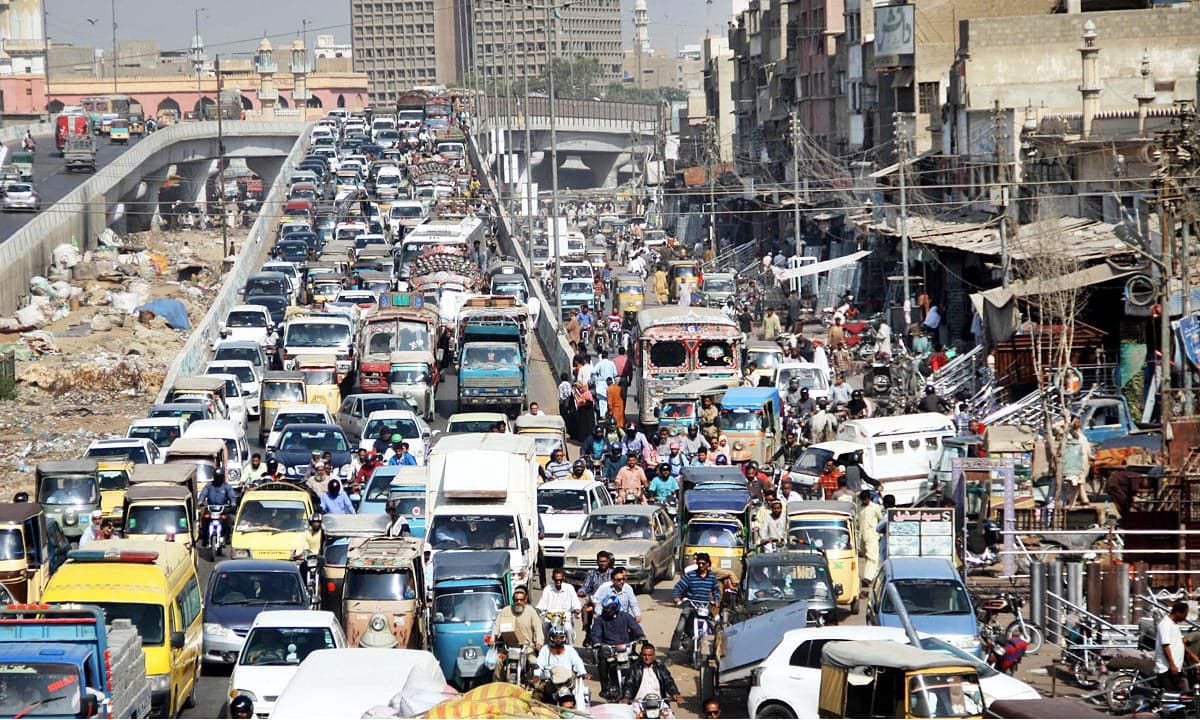
The growing misuse of fake and tampered vehicle number plates has emerged as a serious challenge for traffic management authorities. The issue recently gained national attention after a senior traffic police official stated that citizens found using fake number plates should be sent to jail, stressing that such practices are not minor violations but deliberate criminal acts.
With the expansion of digital surveillance and the introduction of automated enforcement systems, traffic discipline in major cities—especially Karachi—is entering a new phase. However, the misuse of fake number plates threatens to undermine these reforms, raising concerns about public safety, law enforcement credibility, and accountability.
Why Fake Number Plates Are a Crime, Not a Shortcut
Many motorists falsely believe that altering or concealing number plates is a harmless way to avoid traffic fines. In reality, this practice creates far-reaching consequences.
First, it directly weakens law enforcement systems. Modern traffic monitoring relies on accurate vehicle identification. When plates are altered, covered, or replaced with fake ones, automated systems fail to identify violators, allowing repeat offenders to escape accountability.
Second, fake plates can facilitate criminal activities. Vehicles involved in theft, street crimes, or hit-and-run incidents often use false registration numbers to avoid tracing. This makes investigations more difficult and delays justice for victims.
Third, road safety is compromised. When violators believe they can escape punishment, reckless driving increases. Speeding, signal violations, and dangerous lane changes become more frequent, putting innocent lives at risk.
E-Challan System: A Major Step Toward Discipline
The introduction of the e-challan system marks a significant transformation in traffic enforcement. Using advanced cameras and automated recognition technology, traffic violations are recorded without human intervention. Challans are issued digitally, reducing corruption, favoritism, and selective enforcement.
According to traffic police officials, this system has already shown positive results, including a notable reduction in road accidents. Drivers are becoming more cautious, knowing violations are being recorded electronically.
However, the system’s success depends heavily on public cooperation. Fake number plates sabotage its effectiveness and create loopholes that defeat the very purpose of automation.
Why Authorities Are Demanding Strict Punishment
Traffic police leadership has clearly stated that fake number plates should be treated as a criminal offence, not a traffic error. Their argument is straightforward: when someone deliberately hides their identity on the road, they are intentionally breaking the law.
Sending offenders to jail is seen as a deterrent, not just punishment. Fines alone are no longer enough, especially when people deliberately manipulate registration plates to avoid detection. Strong action is needed to send a clear message that such behavior will not be tolerated.
Authorities believe that without strict enforcement, the entire traffic reform effort risks failure.
Upcoming Crackdown Against Illegal Plates
Law enforcement agencies, in coordination with vehicle registration authorities, are preparing large-scale operations against vehicles using illegal, fancy, or fake number plates. These campaigns will include:
-
On-road inspections
-
Immediate vehicle seizure
-
Registration of criminal cases
-
Legal proceedings against offenders
Officials have clarified that excuses such as “temporary plates” or “pending registration” will no longer be accepted. Vehicle owners are expected to ensure their cars comply fully with legal requirements before hitting the road.
Public Concerns and System Challenges
Despite the strong stance, citizens have raised genuine concerns.
Some drivers complain about administrative delays in receiving official number plates, especially for new vehicles. Others report receiving incorrect challans due to technical glitches or unclear images.
Authorities acknowledge these challenges and assure the public that systems are being improved. At the same time, they stress that misuse of fake plates cannot be justified under any circumstances.
Traffic officials encourage citizens to challenge incorrect challans through proper legal channels rather than resorting to illegal tactics.
Legal Responsibility of Vehicle Owners
Under existing laws, the vehicle owner is responsible for ensuring proper registration and display of number plates. Ignorance of the law or reliance on unauthorized plate makers does not exempt anyone from punishment.
Motorists are advised to:
-
Use only officially issued number plates
-
Avoid decorative or customized plates
-
Never cover, bend, or alter plate numbers
-
Report plate loss immediately and obtain replacements legally
Failure to comply may result in fines, vehicle confiscation, or criminal charges.
Changing the Traffic Culture in Pakistan
The debate over fake number plates reflects a larger issue: Pakistan’s struggle to enforce traffic discipline. For decades, weak enforcement allowed violations to become routine. The digital transformation of traffic policing aims to change that culture.
True reform requires both strict enforcement and public cooperation. Laws must be applied equally, and citizens must accept that compliance is not optional.
Countries that have successfully improved road safety did so by combining technology with zero tolerance for violations. Pakistan now appears to be moving in the same direction.
Conclusion
The call to send fake number plate users to jail represents a turning point in traffic governance for Traffic Police. It signals that authorities are serious about enforcing the law and protecting public safety.
While technology like the e-challan system provides the tools, real change depends on accountability and compliance. Fake number plates are not a clever trick—they are a crime with serious consequences.
If Pakistan is to build safer roads, reduce accidents, and restore respect for the law, there can be no compromise on vehicle identification and traffic discipline. The message is clear: obey the law, or face the consequences.
Rao Imran Suleman is a senior journalist based in Karachi.