The Rebranding Proposal for PIA has drawn attention after the Canva design platform’s regional general manager, Ahmed Iqbal, offered to support a nationwide competition for a new identity for Pakistan International Airlines.
Iqbal, Canva’s general manager for the Middle East, North Africa, Afghanistan and Pakistan, said in a LinkedIn post that the company was seeking contact with PIA’s leadership to explore whether the rebranding proposal could be implemented.
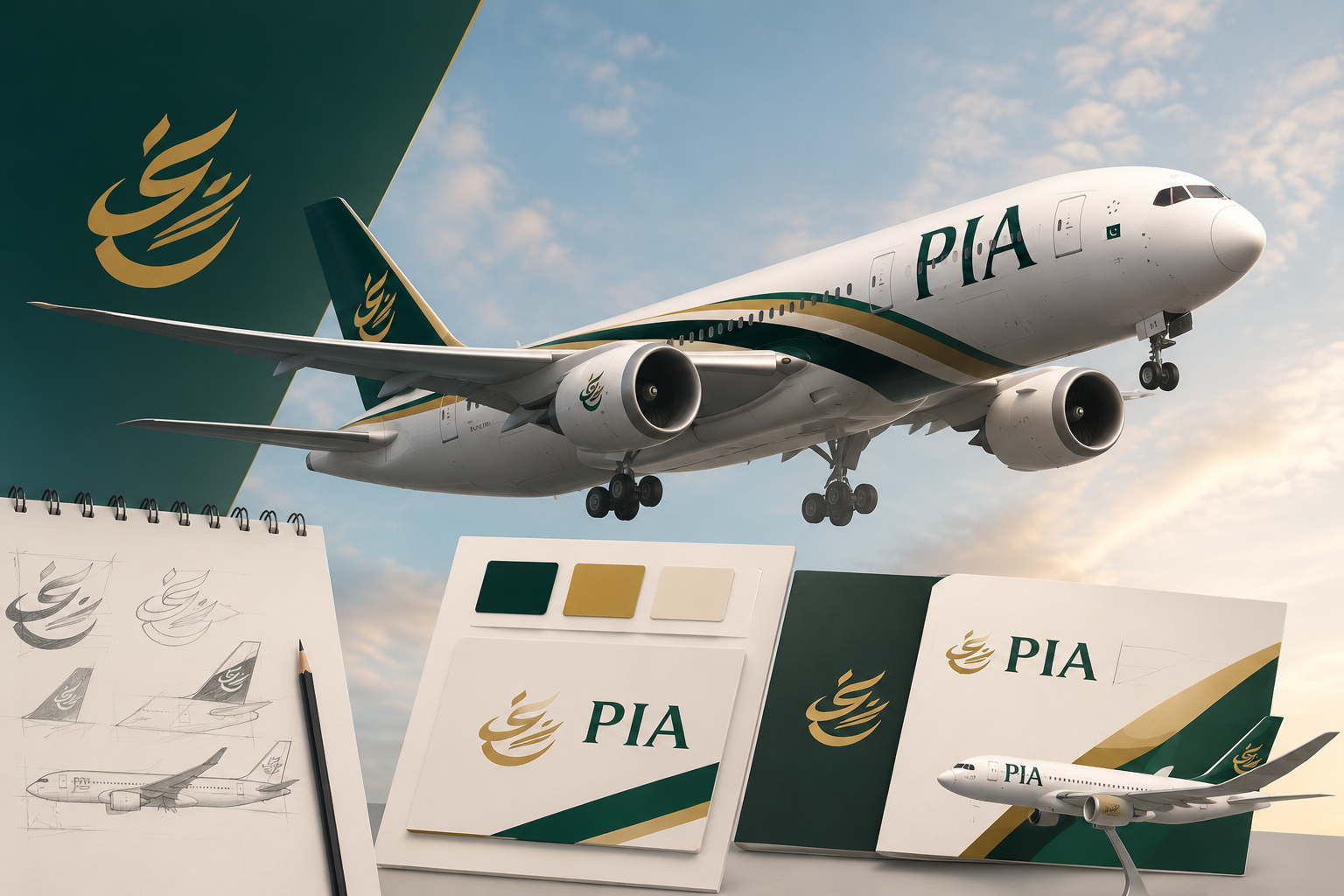
The rebranding proposal for PIA includes designing a new logo, visual identity guidelines, aircraft livery and a complete marketing campaign for the airline’s relaunch. Canva would be prepared to fund the competition and provide substantial prize money, according to Iqbal.
No formal partnership between Canva and PIA had yet been announced at the time of the proposal. Iqbal acknowledged that the idea might not progress but said he hoped his professional network could connect him with the airline’s relevant decision-makers.
Canva PIA Rebranding Proposal Focuses on Public Participation
Under the proposed plan, Pakistani designers and other creative professionals would be invited to participate in a national competition aimed at developing a renewed visual identity for the flag carrier.
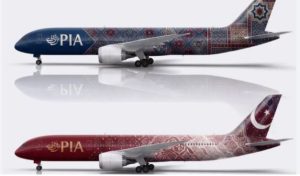 The competition would cover four main components:
- A redesigned PIA logo
- Comprehensive brand guidelines
- New exterior designs for PIA aircraft
- A marketing campaign supporting the airline’s relaunch
Iqbal said that such rebranding proposal are among the types of creative projects routinely produced using Canva. However, the proposed PIA initiative would carry wider national significance because of the airline’s history and its emotional connection with generations of Pakistanis.
He described the concept as a project created “by Pakistanis, for Pakistan,” with the objective of bringing Pakistani design heritage into a modern national branding exercise.
A public competition could allow established designers, students, artists and emerging creative professionals to contribute ideas. It could also turn the airline’s visual transformation into a broader public-engagement campaign rather than limiting the process to a conventional corporate branding contract.
Iqbal said Canva was willing to invest in the initiative but first needed discussions with PIA’s management to determine whether the proposal was operationally and commercially feasible.
He asked social media users who could facilitate an introduction to relevant members of PIA’s leadership to tag them or contact him directly.
PIA’s New Ownership Creates Opening for Brand Renewal
The rebranding proposal comes as PIA undergoes a major ownership and management transition following years of financial difficulties and repeated attempts at privatization.
A consortium led by Arif Habib Corporation secured a 75% stake in the airline for 135 billion Pakistani rupees in December 2025. The bid exceeded the government’s reserve price of 100 billion rupees and marked a significant development in Pakistan’s privatization program.
The consortium’s investment structure brought together several Pakistani business groups. The transaction was intended to provide new capital for PIA and support its operational recovery, while the federal government retained a minority shareholding.
The ownership change formed part of wider economic reforms aimed at reducing the financial burden of loss-making state-owned enterprises. PIA had struggled for years with debt, operational inefficiencies, political interference and an oversized workforce.
By June 2026, authorities were preparing to formally transfer the airline to its new owners after regulatory and legal requirements associated with the transaction were completed.
Against this background, a new visual identity could become part of a broader effort to signal changes in management, service standards and commercial direction.
However, rebranding alone would not be sufficient to restore public confidence. Any new identity would need to be supported by improvements in punctuality, passenger service, fleet reliability, route planning, safety standards and financial management.
Iqbal made a similar point in his public message by referring to the new management’s position that national trust must be earned rather than assumed.
PIA’s Historic Identity Remains a Sensitive National Asset
PIA was once widely regarded as one of Asia’s leading airlines and played an important role in developing regional aviation expertise.
The airline trained pilots and other aviation professionals from several countries and provided technical assistance to emerging carriers. Its international network also helped connect Pakistan with important destinations in Europe, the Middle East, Asia and North America.
For many Pakistanis, PIA’s visual identity carries memories of overseas travel, family reunions, migration, tourism and the country’s earlier aviation achievements. That emotional connection makes any proposed change to its logo or aircraft design commercially valuable but also culturally sensitive.
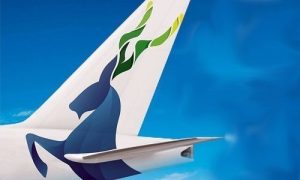
The airline has previously experimented with changes to its branding and aircraft appearance. A proposed identity featuring the markhor attracted scrutiny in 2018, and the wider rebranding exercise was subsequently abandoned amid legal and financial concerns.
That experience shows that a future redesign would require careful consultation, transparent budgeting and a clear connection between visual changes and operational improvements.
The rebranding proposal of a nationwide competition could create public interest, but organizers would also need to establish professional standards for judging, copyright ownership, design implementation and technical suitability.
Aircraft liveries must meet practical requirements related to visibility, maintenance, paint weight, fleet consistency and international recognition. Similarly, a logo must work across aircraft, airport counters, uniforms, mobile applications, websites, tickets and marketing materials.
National Design Competition Could Promote Creative Economy
The Canva PIA Rebranding Proposal could provide visibility to Pakistan’s growing community of graphic designers, digital creators and creative technology users.
Pakistan has a large population of young freelancers working in graphic design, animation, digital marketing, video production and related services. A high-profile national competition could offer designers a chance to work on a project with international exposure.
The rebranding proposal could also encourage discussion about how Pakistani culture should be represented in global markets. Designers might draw inspiration from the national flag, regional art, calligraphy, architecture, textiles, landscapes or PIA’s historical visual identity.
Care would be required to ensure that the final result remains simple, internationally recognizable and suitable for aviation use. A design carrying too many cultural elements could become visually complicated, while an excessively generic identity might fail to reflect the airline’s national character.
The judging process would therefore need input from aviation specialists, branding professionals, designers, historians, marketing experts and representatives of the airline’s new leadership.
It has been highlighted in the rebranding proposal plan that Canva’s involvement could provide digital tools, competition infrastructure and international visibility. Affinity, the professional creative software platform acquired by Canva, could also support more advanced design work.
Iqbal said the concept accompanying his LinkedIn post had been produced using Canva and Affinity by someone who was not a professional designer. He presented the example as evidence of what a wider community of Pakistani creators might achieve collectively.
Conclusion
The Canva rebranding proposal presents PIA with an opportunity to involve the public in shaping a new visual identity during a critical period in the airline’s history.
Its significance goes beyond designing a logo. A transparent national competition could promote Pakistani creative talent, encourage public participation and help the new owners communicate a renewed commercial direction.
The idea nevertheless remains at the proposal stage. Its future depends on whether PIA’s leadership agrees to formal discussions with Canva and whether both sides can develop a practical framework covering funding, judging, intellectual property and implementation.
For the initiative to have lasting value, any visual transformation would also need to be matched by measurable improvements in PIA’s operations and passenger experience. A new identity may attract attention, but sustained performance will ultimately determine whether the airline can regain public trust.
#CanvaPIARebranding, #PIARebranding, #PakistanInternationalAirlines, #CanvaPakistan, #PakistanAviation, #PakistaniDesigners, #PIAPrivatisation, #NationalDesignCompetition, #AircraftLivery, #CreativePakistan
Dr. H. Zafar is a distinguished writer and analyst associated with Press Network of Pakistan as Associate Editor. With a strong academic background and years of research experience, she brings depth, clarity, and analytical rigor to her writings.