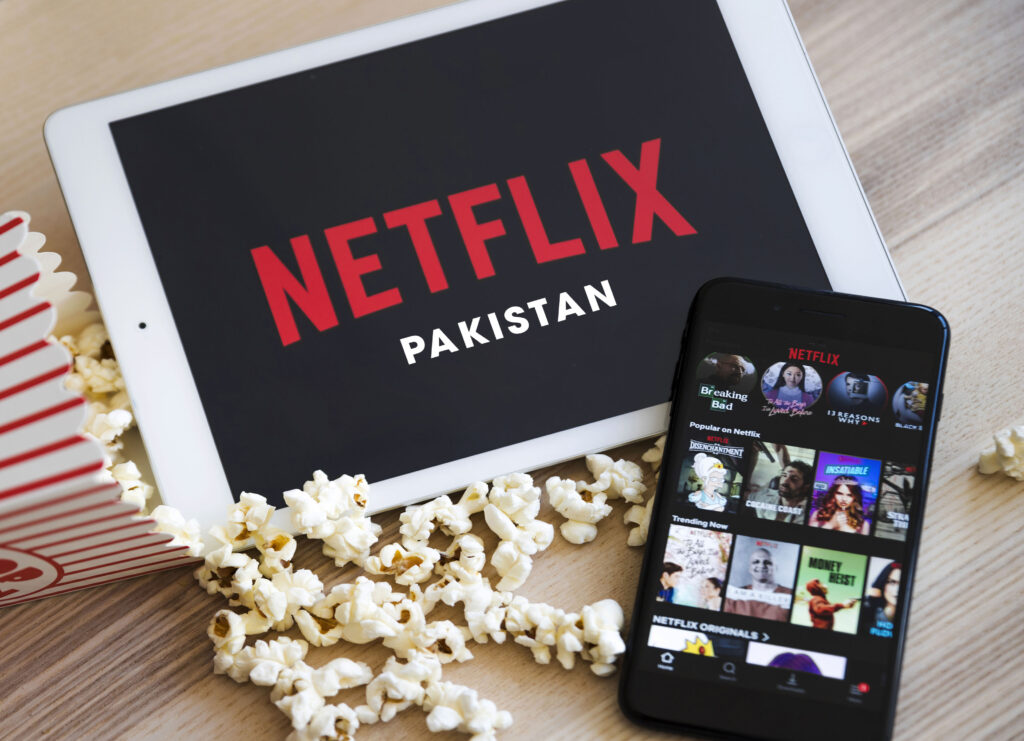
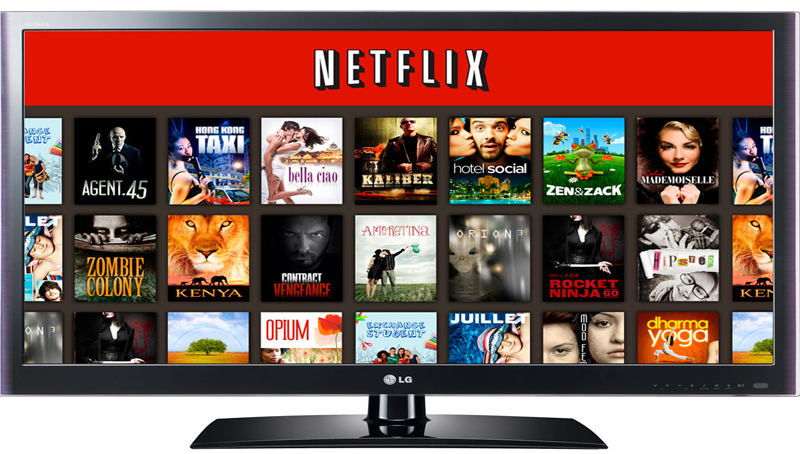
Over the last decade, Netflix has transformed global entertainment. From South Korean dramas and Spanish thrillers to Turkish historical epics, creators from many countries have successfully used Netflix as a launchpad to reach international audiences. Yet, despite Pakistan’s rich storytelling tradition, strong acting talent, and a massive digital youth population, Pakistani content creators remain largely absent from the streaming service’s original content ecosystem.
This raises an important question: Why are Pakistani content creators not focusing on Netflix? The answer lies in a complex mix of economic, structural, cultural, and industry-specific challenges.
1. Limited Access to Netflix’s Commissioning Ecosystem
Netflix does not operate like YouTube or Facebook, where anyone can upload content. It works through commissioned originals, licensed content, and partnerships with established production houses.
In Pakistan:
-
Most creators are independent or small-scale
-
There are very few internationally connected production companies
-
Netflix prefers producers with a proven global or regional track record
As a result, Pakistani creators often don’t know how to pitch to Netflix, who to approach, or what standards are required. This lack of institutional bridges keeps many creators locked out before they even begin.
2. High Production Costs vs Low Financial Security
Netflix-quality content requires:
-
Cinematic production
-
High-end cameras, lighting, and sound
-
Professional writers’ rooms
-
Long shooting schedules
-
International post-production standards
For Pakistani creators, this is a major barrier.
Unlike India or Turkey, Pakistan lacks:
-
Strong private film financing
-
Government-backed media grants
-
Large OTT-focused production funds
Most creators find it financially safer to produce YouTube dramas, short films, or brand-sponsored content, where returns are faster and risks are lower. Netflix projects, on the other hand, demand heavy upfront investment with no guarantee of selection.
3. YouTube and TV Are Easier and More Profitable
Pakistan has one of the most successful YouTube drama ecosystems in the world. Millions of viewers regularly watch long-form dramas for free, supported by ads and sponsors.
Advantages of YouTube and TV:
-
Immediate monetization
-
Local advertisers understand the market
-
Content guidelines are familiar
-
Faster production cycles
-
Guaranteed audience reach
Netflix, by contrast:
-
Pays per project, not per view
-
Offers no advertising revenue
-
Has strict global content policies
-
Does not guarantee creative ownership
For many creators, YouTube is simply a better business decision.
4. Content Restrictions and Cultural Sensitivities
Netflix encourages bold, experimental, and sometimes controversial storytelling. Topics like:
-
Gender freedom
-
Political critique
-
Religious issues
-
Social taboos
These themes often clash with:
-
Local cultural norms
-
PEMRA-style censorship mindset
-
Fear of backlash, boycotts, or legal trouble
Many Pakistani creators self-censor to avoid controversy. The streaming service’s global audience expectations can feel risky in a society where public reaction can quickly turn hostile on social media.
5. Language Barrier and Global Appeal Concerns
Netflix prioritizes content that can travel globally. While subtitles help, creators still face pressure to:
-
Write stories with universal themes
-
Avoid hyper-local references
-
Sometimes include English or mixed dialogue
Pakistani creators often worry:
-
Will pure Urdu content work globally?
-
Will Western audiences understand cultural nuances?
-
Will Netflix ask for “Indian-style” storytelling?
This uncertainty pushes creators to stay within familiar local formats rather than experiment with global narratives.
6. Lack of Training in OTT Storytelling
Traditional Pakistani dramas are:
-
Long (20–40 episodes)
-
Slow-paced
-
Melodramatic
-
Family-centric
Netflix prefers:
-
Short seasons (6–10 episodes)
-
Tight scripts
-
Complex characters
-
Cinematic pacing
Many writers, directors, and producers are simply not trained for OTT formats. There are few screenwriting labs, OTT-focused workshops, or mentorship programs in Pakistan that prepare creators for Netflix-style storytelling.
7. Political and Image Sensitivities
International platforms often prefer content that critically examines society. However, Pakistani creators face:
-
Political pressure
-
Fear of misrepresentation
-
Concerns about national image
-
Visa and travel issues
Some creators worry that the streaming service may push narratives that are:
-
Politically sensitive
-
Socially critical
-
Open to international scrutiny
This creates hesitation, especially among established TV industry figures.
8. India and Turkey Dominate the Regional Space
Netflix already invests heavily in:
-
Indian originals (huge market, global diaspora)
-
Turkish series (export-friendly storytelling)
-
Korean dramas (strong state and industry support)
Pakistan enters a crowded regional market without strong lobbying, marketing, or diplomatic cultural push. The streaming service often chooses safer bets where infrastructure and returns are already proven.
9. Digital Creators Are Focused on Personal Brands
Many Pakistani creators today are:
-
YouTubers
-
TikTokers
-
Instagram influencers
Their success depends on:
-
Personal visibility
-
Consistent uploads
-
Algorithm-friendly content
Netflix projects are:
-
Long-term
-
Collaborative
-
Brand-diluting (creator becomes less visible than the show)
For influencer-creators, the streaming service does not align with their personal brand-first strategy.
10. Signs of Change: A Slow but Possible Shift
Despite all challenges, things are slowly changing:
-
Pakistani films are appearing at international festivals
-
Diaspora producers are bridging gaps
-
Younger creators are learning OTT formats
-
Regional collaborations are increasing
If Pakistan invests in:
-
Training writers for OTT
-
Government-backed media funds
-
International co-productions
-
Film commissions and tax incentives
Netflix could eventually become a realistic target.
Conclusion
Pakistani content creators are not ignoring Netflix due to lack of talent or ambition. They are held back by structural barriers, financial risks, cultural constraints, and limited access to global networks. Until these systemic issues are addressed, creators will continue to focus on platforms that offer stability, familiarity, and immediate returns.
Netflix is not unreachable—but for Pakistan, the journey requires industry reform, skill development, and strategic global engagement, not just creative passion.
Dr. H. Zafar is a distinguished writer and analyst associated with Press Network of Pakistan as Associate Editor. With a strong academic background and years of research experience, she brings depth, clarity, and analytical rigor to her writings.