
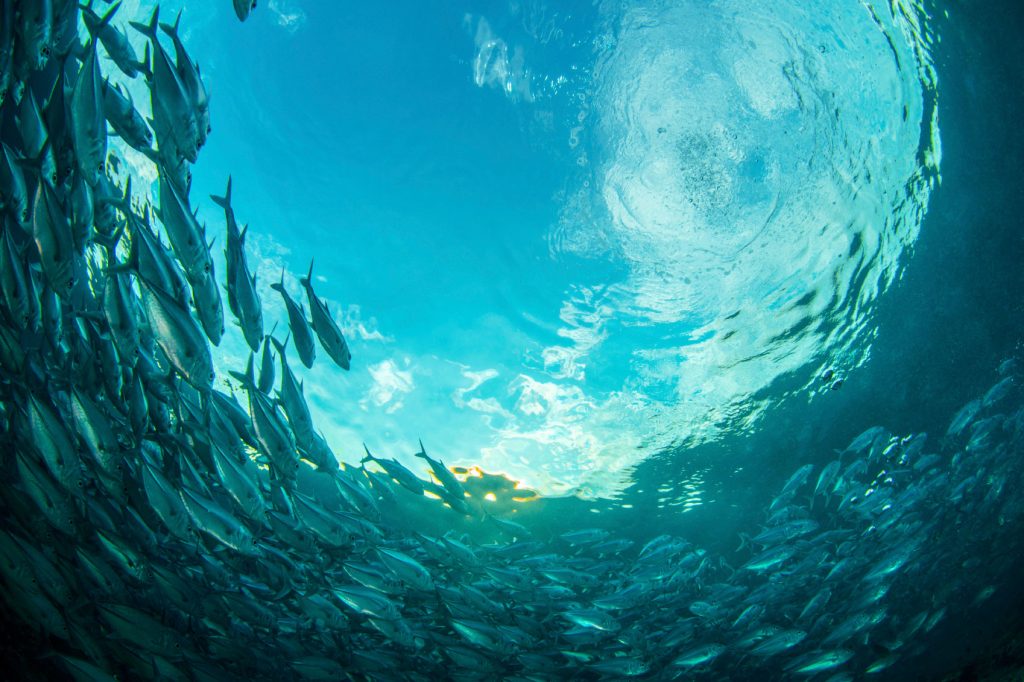
Water is the lifeblood of our planet. From the tiniest microbe to the largest whale, every living thing depends on it. It nourishes crops, powers industries, sustains ecosystems, and supports every community on Earth. Yet despite its crucial role, water is facing unprecedented threats: climate change, pollution, overuse, and mismanagement are pushing this vital resource to the brink.
While the science and facts about water challenges are clear, one powerful tool is indispensable in turning awareness into action: water journalism. In this post, we’ll explore why water journalism is absolutely critical today — and how compelling storytelling can inspire change and help safeguard water for generations to come.
Water: The Foundation of Life Under Threat
Water touches every part of our daily lives. It flows through rivers and lakes, fills oceans, falls as rain, and permeates the soil beneath our feet. For humanity, water is not just a resource — it is a foundation for health, food security, economic development, and social stability.
But today, water scarcity and contamination threaten millions globally. Climate change alters rainfall and drought patterns, pollution from industries and agriculture taints freshwater, and growing populations demand more water than ever before. The result is a planet where clean water is no longer a guarantee — but a prize.
This water crisis has consequences far beyond the environment. Food supplies suffer when irrigation falters. Disease spreads where clean water is unavailable. Economies slow when industries lack water. Social tensions escalate over access. The stakes could not be higher.
Why Facts Alone Aren’t Enough
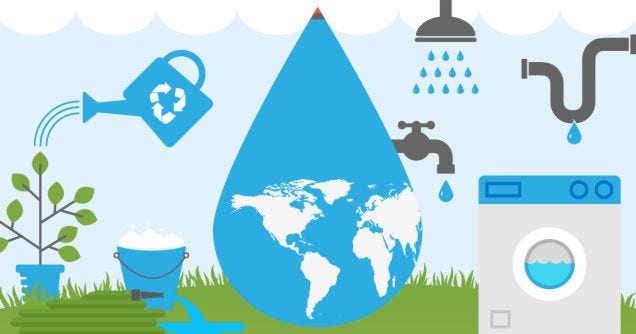
Scientists, engineers, and policy experts have long studied water issues, producing valuable data and recommendations. Yet, despite decades of reports and warnings, public awareness remains uneven, and meaningful progress is slow.
Why? Because facts alone rarely drive large-scale change. Numbers and scientific jargon don’t always capture the human stories behind the crisis. They don’t reveal the lived experiences of families struggling to find safe water or the economic ripple effects communities face when water runs dry.
This is where journalism and storytelling come in.
The Power of Water Journalism
Water journalism is more than reporting facts — it is about shining a light on the often overlooked but urgent water challenges shaping our world. It tells the stories of rivers drying up, communities innovating to survive, activists fighting pollution, and policymakers crafting solutions.
By humanizing water issues, journalism helps people connect emotionally and intellectually. It makes distant problems real and relatable. It reveals how water connects to everything from health and education to gender equality and global security.
Key Roles of Water Journalism:
-
Raising Awareness: Bringing attention to water crises that may not hit mainstream headlines but have devastating local or regional impact.
-
Exposing Injustices: Investigating how pollution, mismanagement, or unequal access disproportionately harm vulnerable populations.
-
Holding Power to Account: Reporting on government and corporate accountability regarding water rights, infrastructure, and environmental protection.
-
Sharing Solutions: Highlighting innovative water conservation methods, successful community efforts, and policy breakthroughs.
-
Building a Global Community: Connecting diverse audiences — citizens, scientists, policymakers — to foster collaboration and shared responsibility.
Why Water Journalism Matters More Than Ever
-
Water Crises Are Complex and Interconnected
Water issues intertwine with climate change, agriculture, urban development, health, and geopolitics. Journalism helps unpack this complexity and explain why water security is a key factor in many global challenges. -
Information Gaps Hurt Decision-Making
Without clear, trustworthy reporting, people and leaders lack the information needed to make informed choices. Water journalism fills that gap, providing the data and context necessary to guide effective policies and personal actions. -
Empowering Communities
When communities understand the causes and consequences of their water problems, they are better equipped to advocate for their rights and adopt sustainable practices. -
Inspiring Behavioral Change
Stories of water scarcity or pollution can motivate individuals to conserve water, reduce waste, and demand change from corporations and governments. -
Driving Policy and Innovation
Media attention often pressures leaders to act and can spotlight promising technologies or programs that deserve support.
Examples of Water Journalism Impact
-
Investigations exposing illegal dumping or contamination leading to regulatory reforms.
-
Features on drought-stricken regions prompting international aid.
-
Profiles of grassroots water conservation projects inspiring replication worldwide.
-
Reports on transboundary water conflicts encouraging diplomatic dialogue.
Each story contributes to a larger mosaic of awareness and action — turning water challenges into opportunities for solutions.
Conclusion: Championing Water Journalism to Secure Our Future
In the face of mounting water crises, water journalism is not just important — it is indispensable. The power of storytelling and investigative reporting brings visibility to critical issues that often remain hidden from public view. It bridges the gap between complex scientific data and everyday people’s understanding, making the water crisis relatable and urgent.
Promoting water journalism means promoting accountability, transparency, and informed decision-making. It means amplifying the voices of those affected by water scarcity and pollution, while highlighting innovative solutions that can be scaled globally. Most importantly, it inspires collective action — from local communities to world leaders — to safeguard this irreplaceable resource.
As individuals, communities, and nations, our role is clear: support, engage with, and amplify water journalism. By doing so, we empower the stories that matter, help build a global culture of water stewardship, and contribute to a future where clean, abundant water is accessible for all.
The survival of our planet’s most vital resource depends on us — and on the stories we choose to tell. Join the movement to elevate water journalism. Together, we can ensure that water continues to nourish life, sustain prosperity, and connect us all for generations to come.
Dr. Mohammad Arif is an environmental expert and advocate specializing in water resource management and sustainability.