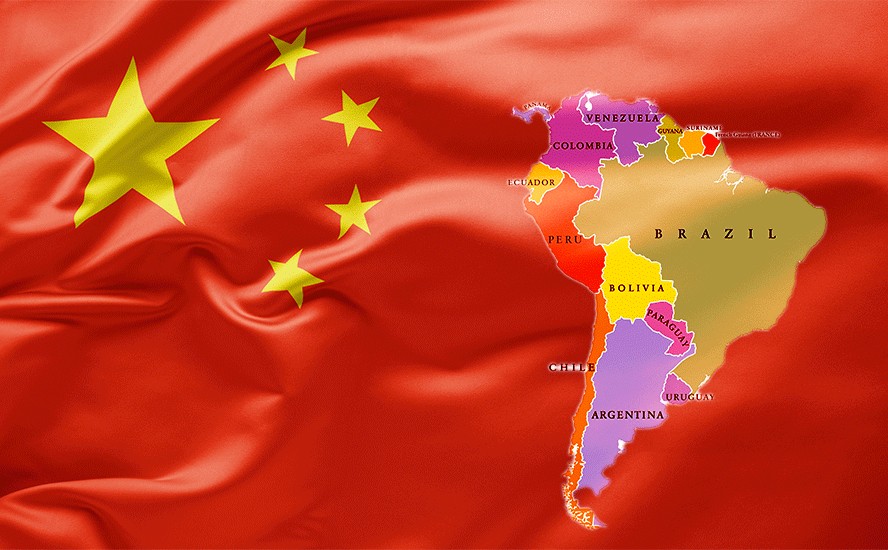
The recent dramatic turn of events in Venezuela — particularly the United States’ military covert operation that captured President Nicolás Maduro — has reverberated far beyond Latin America. Among the most consequential global responses has been China’s reaction. As Venezuela’s largest economic partner and a key geopolitical stakeholder, Beijing’s response reflects both long-standing principles of foreign policy and broader strategic concerns about sovereignty, global order, and U.S. influence.
Strong Condemnation of U.S. Military Action
China’s official response to the U.S. operation was swift and unequivocal. Senior Chinese diplomats condemned the U.S. strike, characterizing it as a violation of international law and an infringement on Venezuela’s sovereignty. Chinese Foreign Minister Wang Yi and other spokespersons stressed that no country has the right to act as “the world’s police” or “international judge,” rejecting unilateral military interventions that override established norms.
Beijing highlighted that respect for sovereignty and territorial integrity is a cornerstone of international relations. From the Chinese perspective, the sudden military removal of a sitting foreign leader — even one facing serious legal charges — crosses a diplomatic and legal red line, undermining the foundational principles of the United Nations Charter and the global order it represents.
Official Statements and Diplomatic Messaging
Chinese diplomats utilized multiple forums to articulate their position:
1. Chinese Foreign Ministry Press Conferences
At regular press briefings in early January 2026, Chinese Foreign Ministry Spokesperson Mao Ning reiterated Beijing’s stance that the U.S. military action against Venezuela was unacceptable international conduct. Mao stressed that all nations, especially major powers, should abide by the principles of the UN Charter and resolve disputes through peaceful dialogue rather than force.
Beijing’s messaging emphasized common, comprehensive, cooperative, and sustainable security, a phrase China has increasingly used to contrast its preferred diplomatic approach with what it sees as Washington’s interventionist policies.
2. United Nations Engagement
Chinese representatives at the UN Security Council strongly criticized the U.S. operation, joining voices that questioned the legality and implications of the unilateral action. Chinese diplomats highlighted concerns about its potential to set a dangerous precedent that might embolden other states to bypass international law in the future.
China’s stance at the UN underscored a broader appeal to multilateralism, urging that disputes and crises — even deeply polarizing ones like Venezuela’s — be handled through international mechanisms rather than force.
3. Direct Appeals to the U.S.
Officials in Beijing directly called on Washington to release Maduro and his wife, respect Venezuela’s sovereignty, and resolve the situation through negotiation and legal channels. This appeal echoed China’s broader foreign policy emphasis on sovereign equality and non-interference.
Sovereignty and International Law at the Core
At the heart of China’s response was a resolute emphasis on sovereignty and international law. Chinese officials framed their reaction not merely as opposition to the specific U.S. action but as a principled defense of a global order in which no state — especially militarily dominant ones — should impose its will on others.
Foreign Ministry statements explicitly stated that the use of force undermines the rights of independent states to determine their own paths of development, political systems, and leadership without external interference. Beijing defended Venezuela’s right to manage its internal affairs and called for adherence to foundational international legal norms.
Economic Considerations: Oil and Strategic Interests
China’s reaction was not solely rooted in legal principles; it was also shaped by concrete economic interests — particularly linked to oil. Prior to the U.S. operation, Venezuela’s oil exports were a significant part of China’s energy portfolio. Venezuelan heavy crude has been an important component of China’s diversified oil supply strategy. Although shipments shifted and reduced due to sanctions and global market changes, Venezuela remained a valuable partner.
Following disruptions in Venezuelan oil exports — including the halt in shipments at the beginning of 2026 — Chinese refiners began exploring alternative sources such as Iranian and Russian crude, reflecting broader geopolitical shifts in energy markets.
China’s economic stakes in Venezuela extend beyond energy. Beijing has invested heavily through loans, infrastructure cooperation, and strategic partnerships. These financial ties add a layer of diplomatic sensitivity, as any shift in Venezuelan governance or alignment could impact China’s broader regional interests.
Strategic and Geopolitical Dimensions
1. Rivalry with the United States
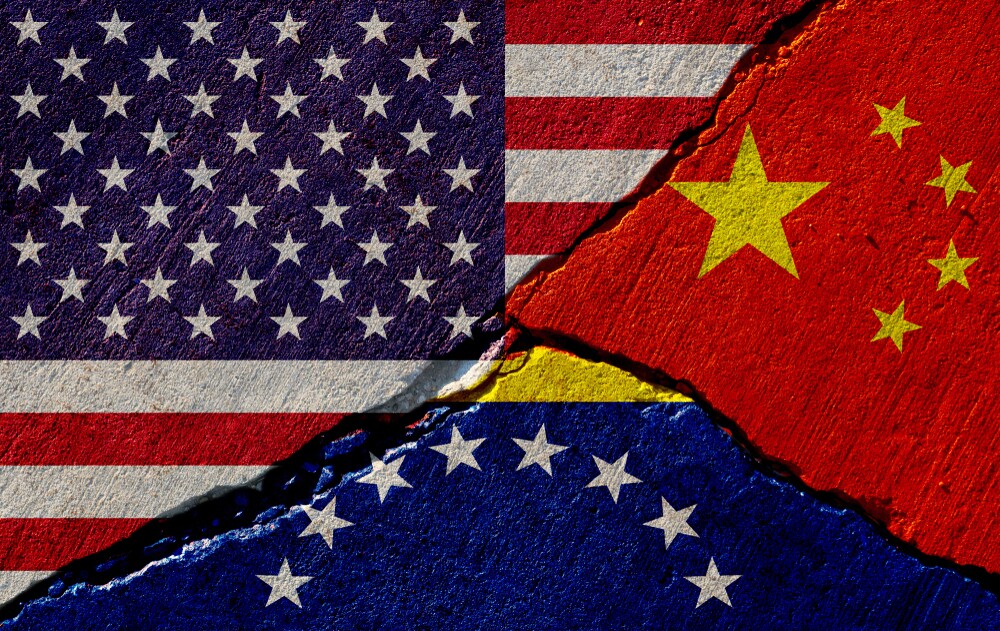
China’s reaction is inseparable from the broader U.S.–China geopolitical rivalry. Beijing views the Venezuelan crisis through the lens of great-power competition. From this vantage point, unilateral U.S. military action in the Western Hemisphere — traditionally seen as under U.S. influence — represents a challenge to China’s vision of a multipolar world where major powers respect each other’s spheres of influence and legal norms.
Beijing’s public critique of U.S. intervention underscores its broader strategy to promote alternative global governance frameworks that emphasize state sovereignty and non-interference — positions that resonate with many developing nations.
2. Soft Power and Global Perceptions
By vocally opposing the U.S. operation, China also seeks to position itself as a defender of the Global South’s interests, aligning with countries that are wary of traditional Western interventionism. This rhetorical alignment serves China’s long-term goal of enhancing its diplomatic influence across Latin America, Africa, and Asia.
3. Precedent and Future Policy
Chinese analysts see the Venezuela situation as a precedent with broader implications for international norms around intervention and sovereignty. Beijing’s response underscores a strategic desire to shape global standards in ways that mitigate the risk of similar actions targeting key Chinese interests elsewhere. The rhetoric and framing used in response to Venezuela may also inform Chinese policy and messaging on other contentious matters on the world stage.
Balancing Support Without Escalation
While China’s rhetoric has been firm, it has also been careful to avoid direct military confrontation or escalation. Beijing has focused on diplomatic protest, legal arguments, and multilateral engagement rather than overt military posturing in the context of Venezuela — signaling a preference for measured geopolitical competition.
This calibrated response reflects China’s broader foreign policy strategy of defending its interests while avoiding direct conflict, particularly in regions outside its immediate neighborhood.
Conclusion: A Defining Foreign Policy Moment
China’s reaction to the Venezuela crisis encapsulates multiple strands of Beijing’s global strategy: a commitment to sovereignty and international law, economic self-interest, strategic rivalry with the United States, and efforts to position itself as a champion of non-interference for developing nations.
Whether or not the U.S. military action in Venezuela changes the geopolitical landscape permanently, China’s response marks a significant diplomatic milestone. It highlights how global powers interpret and contest the rules of international engagement, particularly when unilateral actions intersect with long-standing partnerships and strategic interests.
Dr. Muhammad Arif is an expert in international relations and geopolitics with a focus on China, Latin America and Asian global strategies. He provides deep insights into sovereignty, diplomacy, and regional conflicts shaping today’s world. Dr. Arif regularly contributes to leading policy journals and global affairs platforms.