Pakistan Railways has historically served as the backbone of the country’s transport and logistics network. As a national institution connecting millions of people across provinces, it plays a decisive role in passenger mobility, freight transport, regional trade, and economic development. Over the past eight months, the organization has undergone significant reforms aimed at modernizing its aging infrastructure, enhancing service quality, and ensuring operational transparency. These efforts, coupled with federal–provincial cooperation and international partnerships, position Pakistan Railways at a pivotal moment in its journey toward revival.
This analysis examines the key initiatives introduced under the current leadership, their expected impact on national development, and the challenges and opportunities that lie ahead.
A Shift Toward Passenger-Centric Services
One of the most visible signs of reform is the upgradation of major railway stations across the country. Lahore, Karachi, Rawalpindi, and Faisalabad stations have seen improvements in cleanliness, security, lighting, and passenger conveniences. Facilities such as free Wi-Fi, air-conditioned waiting halls, CIP lounges, escalators, ATMs, electronic ticket vending machines, and modern restrooms are now increasingly available.
This shift aligns Pakistan Railways with global transportation standards, especially those seen in European railway systems. With enhanced comfort and accessibility, the institution is striving to rebrand itself as a modern, reliable, and people-friendly service provider.
The introduction of new trains and refurbished coaches, including Pak Business Express, Shalimar Express, Laasani Express, and upgraded railcars between Lahore and Rawalpindi, demonstrates a commitment to improve travel quality. The induction of train hostesses, upgraded dining cars, and improved food safety standards through collaboration with provincial food authorities reflects a stronger customer-focused approach.
Digital Transformation: Reinventing the Railway Experience
One of the most impactful reforms is the rapid digitalization of operations. Long queues at booking offices — once a hallmark of the system’s inefficiency — are being replaced by streamlined online booking platforms and mobile applications. More than 50 passenger trains have already transitioned to digital ticketing, enabling passengers to plan trips from home with ease.
The restructuring of the IT Directorate, implementation of e-office systems, and adoption of a digital freight monitoring platform are crucial steps toward modern governance. The use of AI-based surveillance systems and the establishment of Pakistan’s first “Safe and Smart Railway Station” in Rawalpindi, equipped with 148 security cameras, mark a major leap in safety and operational oversight.
Furthermore, the solarization of 155 railway stations reduces energy costs, contributes to climate resilience, and signals progress toward sustainable transport infrastructure.
Pakistan Railways as a Driver of National Growth
Pakistan’s economic future is closely tied to the success of its railway network. Mega-projects such as Thar Coal, Reko Diq, transnational connectivity corridors, and regional freight routes depend heavily on rail logistics. Without efficient rail transport, resource extraction, industrial growth, and export-oriented trade cannot reach their full potential.
The freight sector, long neglected, is being revived through new contracts and public–private partnerships (PPP). Outsourcing freight trains, brake wagons, concrete sleeper factories, and railway hospitals and schools aims to improve service quality and reduce financial burdens. A revitalized freight system will not only strengthen Pakistan Railways’ revenue but also address road congestion and reduce transportation costs for industries.
ADB-supported upgrades for the Karachi–Rohri section, progress on the Kazakhstan–Uzbekistan–Afghanistan–Pakistan rail corridor, and work on the Islamabad–Tehran–Istanbul train highlight Pakistan’s emerging role in regional connectivity. These initiatives could transform the country into an important trade hub linking South, Central, and West Asia.
Leadership, Governance and Anti-Corruption Measures
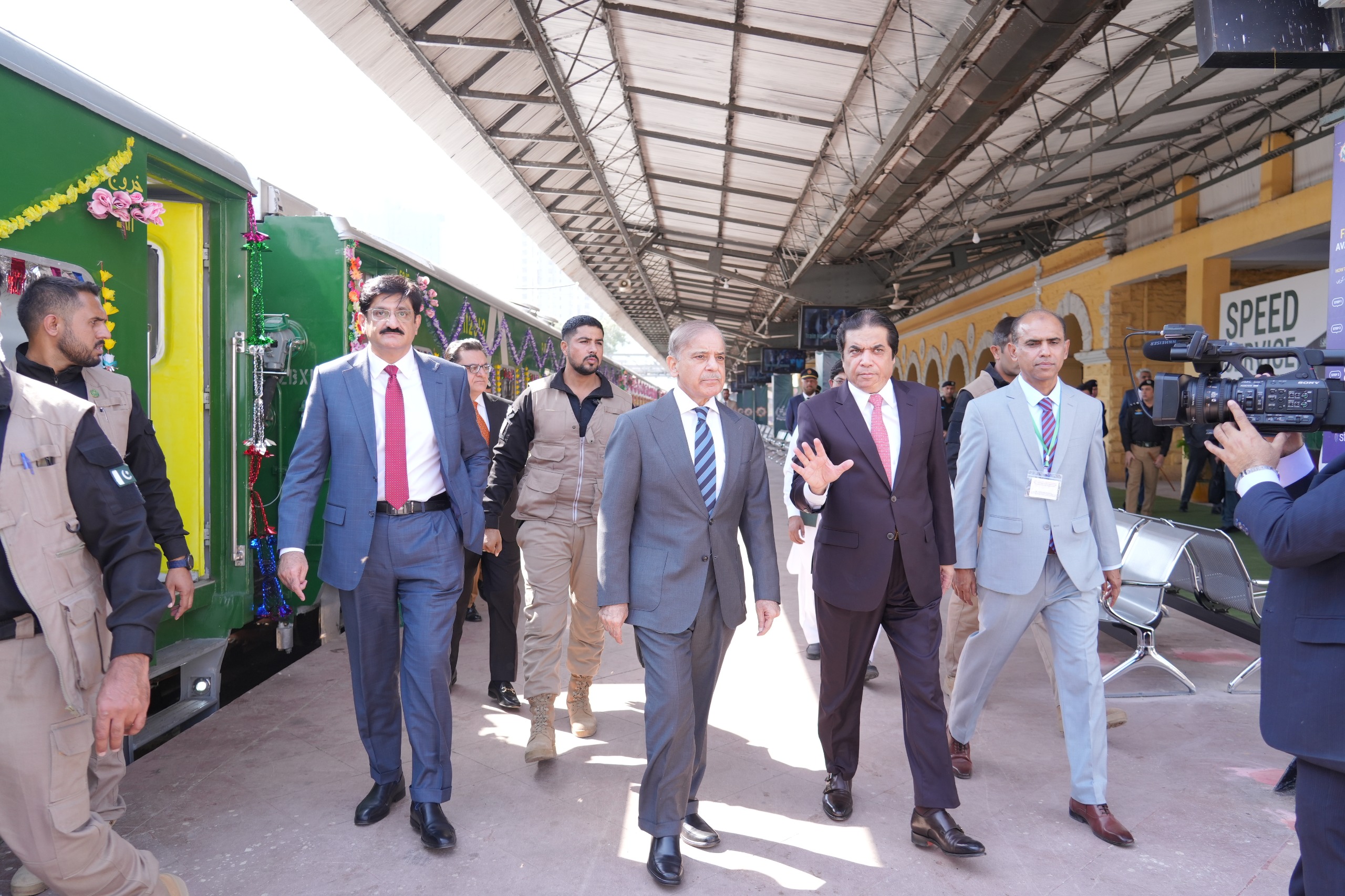
Prime Minister Muhammad Shehbaz Sharif has repeatedly expressed confidence in the direction of Pakistan Railways, praising the visible transformation at major stations and the introduction of modern facilities. His remarks during the inauguration ceremonies of Pak Business Express in Lahore and Shalimar Express in Karachi underscored the importance of dedication, transparency, and innovation in national development.
Railways Minister Muhammad Hanif Abbasi has been credited with accelerating reforms within a short span of eight months. The activation of the Vigilance Directorate, strengthening of accountability mechanisms, and efforts to eliminate corruption have been central to improving public trust. The introduction of an open auction system has also contributed to increased departmental revenue and greater transparency.
These governance reforms aim to shift the culture of the organization from bureaucratic stagnation to performance-driven professionalism.
Federal–Provincial Collaboration: A Prerequisite for Success

Railway infrastructure spans multiple provinces, making intergovernmental cooperation essential. During the inauguration of Shalimar Express and the upgraded Karachi Cantt Station, Sindh Chief Minister Syed Murad Ali Shah acknowledged the federal government’s serious efforts for Karachi’s development and emphasized the need for similar cooperation on the Karachi Circular Railway (KCR). The provincial government has assured its support but requested federal assistance, recognizing that large-scale urban transportation projects require national-level backing.
Similarly, the Thar Coal connectivity project, being pursued jointly with the Sindh government, is vital for the country’s energy security and economic diversification.
Such partnerships show that sustained progress depends on continuous alignment between federal visions and provincial realities.
Railway Police Reforms: Strengthening Safety and Public Trust
Security remains a crucial aspect of railway operations. The passing-out of 468 railway police officers — including 97 women — signals a renewed focus on safety, discipline, and professionalism. Improved training standards and stronger coordination are expected to enhance public confidence, particularly for long-distance travel.
The Railway Police’s upgraded capabilities complement broader modernization efforts, ensuring that security improvements match advancements in infrastructure and technology.
Challenges and the Road Ahead
Despite notable progress, several challenges remain. Pakistan Railways continues to grapple with legacy issues such as outdated infrastructure, operational inefficiencies, and financial constraints. Long-term success will require consistency in reforms, political stability, transparent management, and sustainable financing.
However, the direction set over the past months reflects an ambitious yet pragmatic roadmap. If reforms continue with the same pace and dedication, Pakistan Railways could emerge as a model of national transformation.
Conclusion: A Journey of Reform, Renewal and Hope
The revival of Pakistan Railways is more than an administrative goal — it represents the aspirations of millions who rely on affordable, safe, and efficient mobility. The comprehensive reforms undertaken in digitalization, governance, passenger comfort, freight modernization, safety, and international connectivity demonstrate that the institution is on a promising trajectory.
Pakistan Railways is not just a service provider; it is a symbol of public hope. When leadership remains committed, direction remains clear, and systems evolve with time, even the most neglected tracks can shine again. The ongoing journey from reform to progress marks the beginning of a new chapter — one where Pakistan Railways may yet reclaim its place as a world-class transportation system and a pillar of national development.
Syed Ejaz ul Hassan is a seasoned analyst and writer specializing in transport infrastructure, economic development, and public sector reforms in Pakistan. With a keen interest in national progress and governance, he provides in-depth insights into critical projects shaping the country’s future. He also serves as the Senior Information Officer of Pakistan Railways.