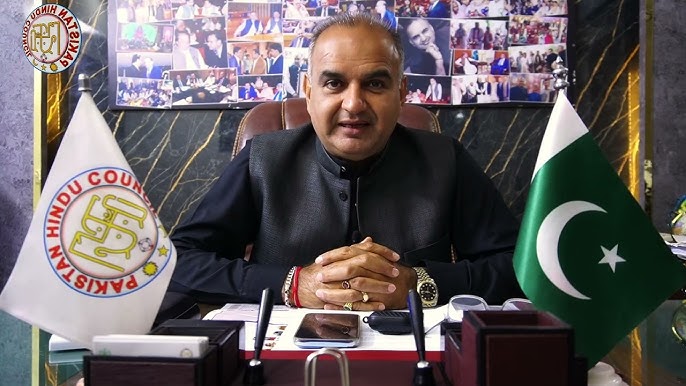
Patron-in-Chief of the Pakistan Hindu Council and Member of the National Assembly, Dr. Ramesh Kumar Vankwani, has predicted that Chand Raat is likely to fall on Friday, March 20, 2026, while Eid-ul-Fitr may be observed on Saturday, March 21. He expressed optimism that this joyous occasion will bring happiness, blessings, and prosperity to all citizens of Pakistan, regardless of faith or background.
Anticipation Around Moon Sighting
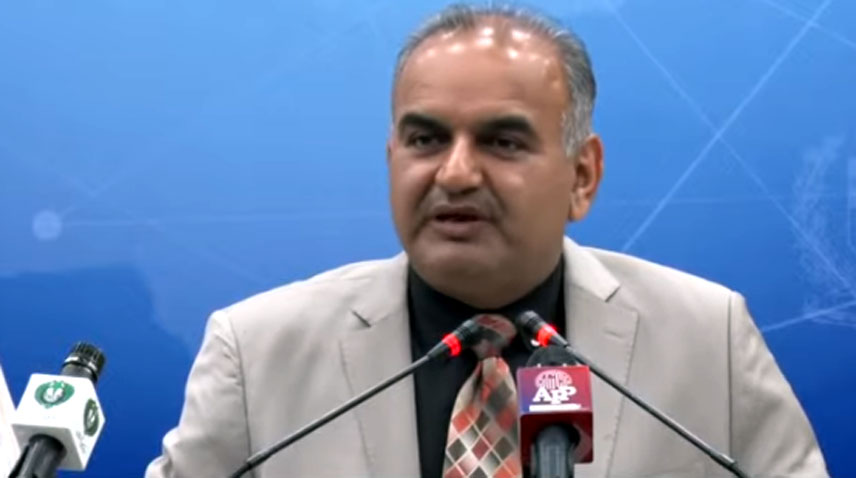
Every year, the question of when Eid will be celebrated becomes a matter of national discussion. The sighting of the moon not only marks the end of Ramadan but also determines the day of Eid-ul-Fitr. In Pakistan, this process has historically been accompanied by debate and occasional differences, with different regions sometimes announcing Eid on separate days. The uncertainty surrounding moon sighting often leads to public confusion and heightened anticipation.
Dr. Vankwani pointed out that in past years, whenever such disputes arose, his predictions—based on the Hindu calendar—proved to be accurate. This confidence, he explained, stems from the scientific and astronomical foundations of the Vikram Samvat calendar, which has been used for centuries in the region.
The Legacy of the Vikram Samvat Calendar
The Vikram Samvat calendar, introduced in 57 BCE, is among the oldest calendrical systems still in use today. Rooted in ancient Hindu astronomical knowledge, it reflects a deep understanding of celestial movements. Scholars and astronomers of the Vedic era carefully observed the sun, moon, and stars to develop a system capable of accurately measuring time, predicting eclipses, and determining seasonal cycles.
Dr. Vankwani emphasized that this calendar is far more than a simple record of dates. It represents a comprehensive framework that integrates science, culture, and religion. Before the arrival of British colonial rule, it was widely used in royal courts across the subcontinent. Hindu astrologers relied on it to determine auspicious timings for important events, while it also held significance during the Mughal period.
Scientific Foundations and Accuracy
One of the distinguishing features of the Hindu calendar is its combination of lunar and solar elements. A lunar month, lasting approximately 29.5 days, is based on the phases of the moon, while the solar component ensures alignment with the seasons. This dual system allows the calendar to maintain long-term accuracy, occasionally incorporating an additional month to reconcile differences between lunar and solar cycles.
According to Dr. Vankwani, this scientific approach enables highly reliable predictions regarding moon phases and important dates. He described the achievements of ancient Hindu astronomers as remarkable, noting that their work continues to impress modern science even today.
Islamic and Hindu Calendars: A Comparison
Highlighting the similarities between the Islamic and Hindu calendars, Dr. Vankwani noted that both systems place central importance on the moon. However, there are key differences in their methodologies. The Islamic calendar is purely lunar, consisting of 354 days, which causes its months and festivals to shift across seasons over time.
In contrast, the Hindu calendar incorporates a solar component, ensuring that festivals occur in the same season each year. While the Hindu system relies on mathematical and astronomical calculations, the Islamic calendar emphasizes the physical sighting of the moon to determine the beginning of each month.
A Month of Dual Celebrations
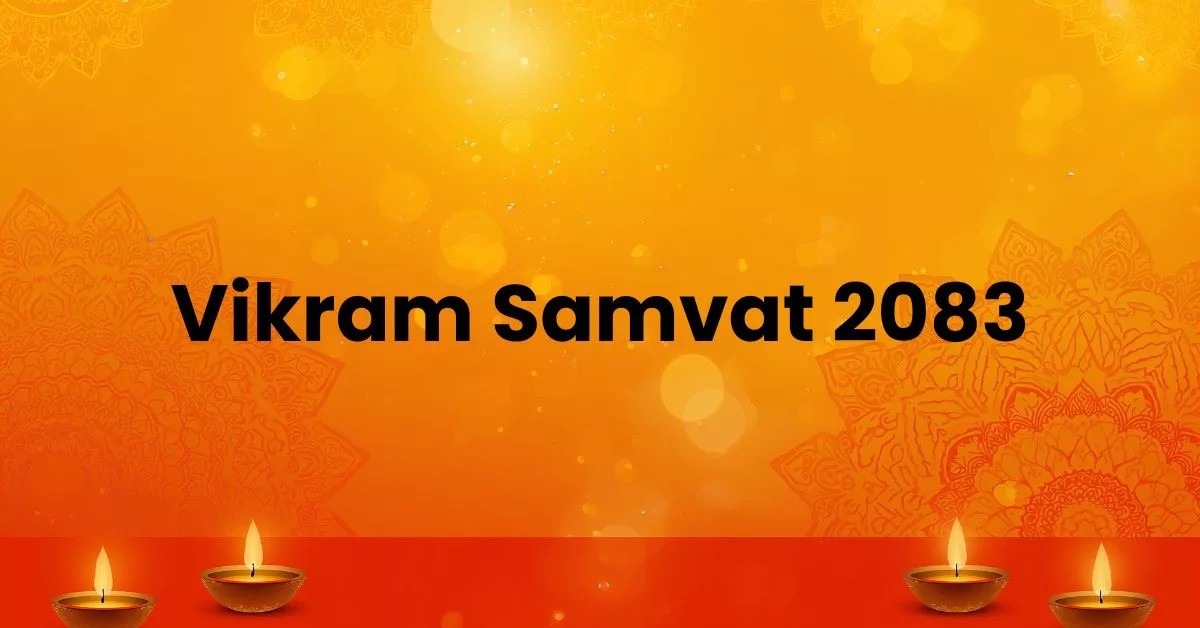
This year, the month of March brings a unique opportunity for shared celebration in Pakistan. Alongside Eid-ul-Fitr, the Hindu community will welcome the New Year 2083 of the Vikram Samvat calendar. This dual celebration symbolizes hope, renewal, and harmony among different communities.
Dr. Vankwani highlighted that the Hindu New Year is a time of spiritual reflection and new beginnings. Homes and temples are cleaned and decorated, prayers are offered, and acts of charity are encouraged. As Patron-in-Chief of the Pakistan Hindu Council, he has issued instructions for special prayers to be held in temples across the country on March 20, seeking progress, peace, and prosperity for Pakistan.
Importance of Official Moon Sighting
Despite his prediction, Dr. Vankwani acknowledged the religious significance of moon sighting in Islam. He clarified that the celebration of Eid-ul-Fitr is strictly subject to the physical sighting of the moon, as prescribed by Islamic teachings. Therefore, the final decision regarding the date of Eid in Pakistan rests with the Ruet-e-Hilal Committee Pakistan, which announces the official date based on verified testimonies.
This distinction highlights the coexistence of different systems of timekeeping and belief, each with its own methodology and significance.
A Message of Unity and Harmony
In his concluding remarks, Dr. Vankwani expressed hope that the convergence of Eid-ul-Fitr and the Hindu New Year will serve as a symbol of unity and coexistence in Pakistan. He prayed for peace, prosperity, and harmony among all communities, emphasizing the importance of mutual respect and shared values.
As the country prepares to celebrate these significant occasions, the spirit of togetherness and cultural diversity remains at the forefront. Whether through the sighting of the moon or the turning of the calendar, these moments remind us of the passage of time and the enduring importance of faith, tradition, and community.