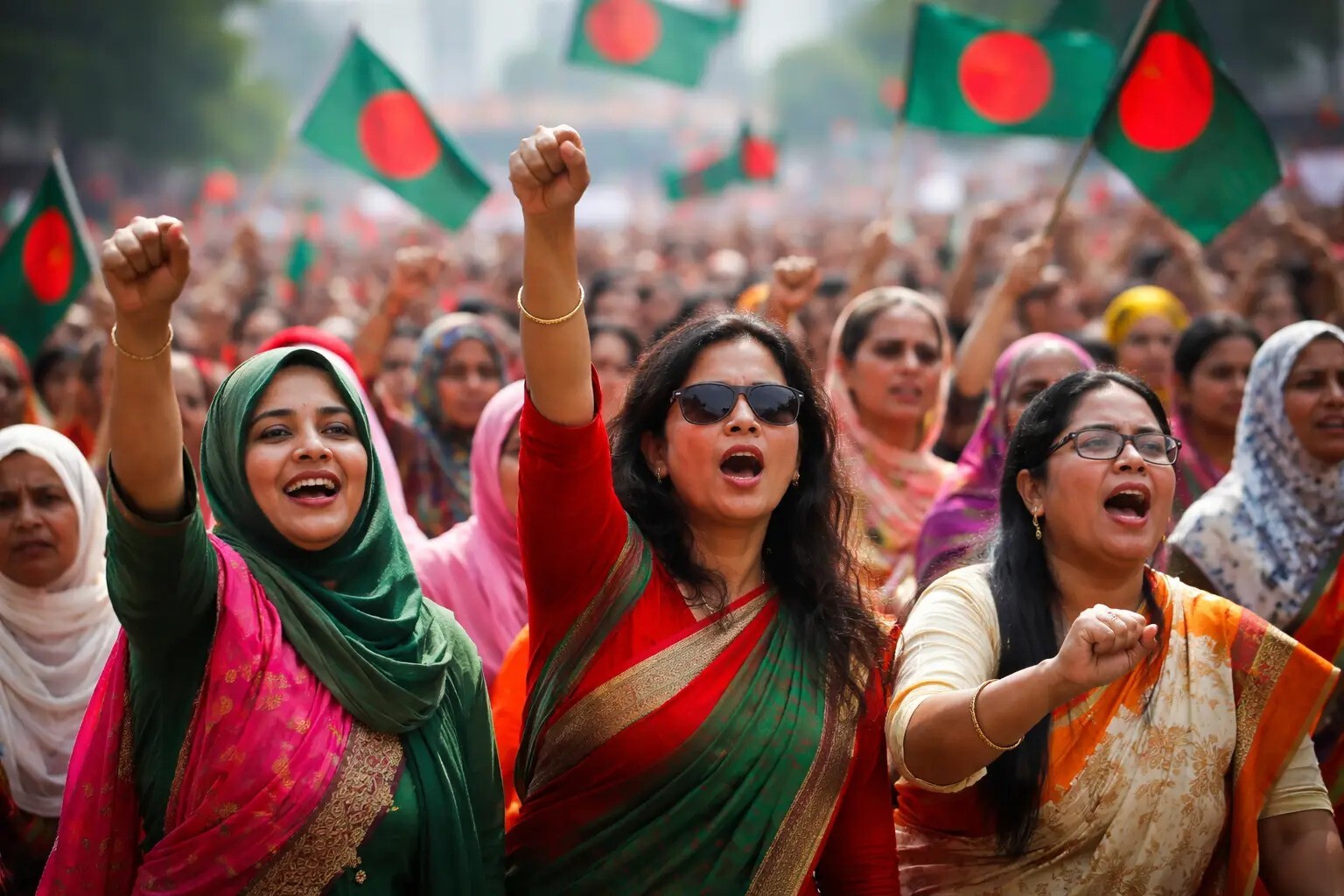
Bangladesh has witnessed a momentous shift in its political landscape as the Bangladesh Nationalist Party (BNP) achieved a resounding landslide in the general elections, winning a two-thirds majority in the Jatiya Sangsad. According to media reports, the BNP and its allies secured at least 212 out of 299 contested seats, returning to power after nearly two decades in opposition.
From a Pakistani perspective, this event is not only significant for Bangladesh’s own democratic future but also resonates across South Asia, offering insights into electoral politics, governance challenges, and regional stability.
Context: What Happened in Bangladesh

The 2026 parliamentary elections in Bangladesh were historic on several levels:
-
It was the first truly competitive election in years, following massive anti-government protests and political change after the ousting of Sheikh Hasina in a Gen Z-led uprising in 2024.
-
BNP, led by Tarique Rahman — the son of former Prime Minister Khaleda Zia and returning from nearly two decades abroad — capitalised on popular demand for change.
-
Voter turnout was significantly higher than in recent polls, with media reporting more than 60 per cent participation, a sign of renewed public engagement in the democratic process.
The result is clear: BNP’s overwhelming win reflects a desire among many Bangladeshis for political renewal and for alternatives to the long dominance of the Awami League.
Lessons for Pakistan’s Political Landscape
For Pakistanis, this development offers several important takeaways:
1. Youth and Democratic Energy Matter
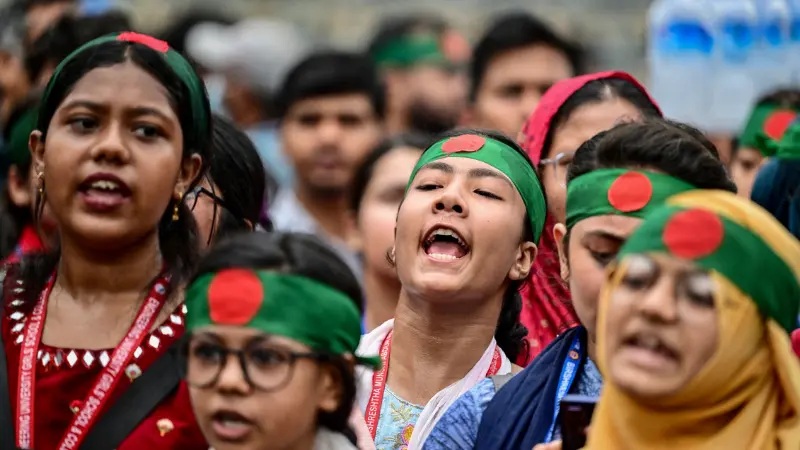
The 2026 Bangladeshi vote was held against the backdrop of a youth-driven uprising that ended a long incumbency. Young voters played a key role in demanding accountability, transparency, and a break from the status quo. That sentiment, although uniquely Bengali, echoes in Pakistan too — where younger generations increasingly demand genuine political participation, representation, and an end to entrenched elitism.
Bangladesh’s election shows that when youth mobilise peacefully and persistently, they can reshape the political narrative. Pakistan’s own democratic trajectory could gain strength if we similarly channel youthful aspirations into constructive political engagement rather than division or apathy.
2. The Importance of Competitive Elections
One of the most lauded aspects of the 2026 Bangladeshi poll was its competitiveness — marking a departure from elections perceived as uncompetitive or engineered. The participation of multiple parties and the improved turnout signalled confidence in the process.
Undoubtedly, free, fair, and transparent elections are the bedrock of stability. The more inclusive and credible the election process, the greater the legitimacy of the resulting government. Democratic resilience grows strongest when voters feel that every ballot genuinely counts.
3. Leadership Renewal and Reform Opportunities
Tarique Rahman’s ascension after years of political struggle illustrates how leadership renewal can come from within established parties. His return and historic win underscore that political rehabilitation and a focus on governance reforms can transform a party’s fortunes.
This suggests that leadership changes backed by reformist visions — offering clear strategies on economy, governance, and transparency — can rejuvenate parties and attract broader support.
Regional Implications: Stability and Cooperation
Bangladesh’s election outcome is significant for South Asia:
-
There is broad international acknowledgement of the results. Leaders in the region, including Pakistani leaders Prime Minister Shehbaz Sharif and President Asif Ali Zardari, announced their congratulations to Tarique Rahman, emphasising neighbourly cooperation, peace, and development.
-
A stable political transition in Dhaka is vital for the Bay of Bengal’s economic connectivity, trade corridors, and regional security architectures. Bangladesh sits at a strategic intersection of South and Southeast Asia, and its political stability positively affects initiatives like the BIMSTEC framework and cross-border economic ties.
For Pakistan, enhanced diplomatic engagement with Dhaka can be beneficial. Whether on trade, people-to-people connections, or multilateral cooperation in climate resilience and development, strengthening ties with Bangladesh aligns with Pakistan’s interests in a stable, prosperous neighbourhood.
Understanding the Challenges Ahead
While celebrating the democratic shift, it is equally important to recognise that BNP now faces substantial governance challenges:
-
Bangladesh’s economy, like Pakistan’s, grapples with structural issues — from export diversification to energy security. Economic growth may test the new government’s mettle.
-
BNP must manage expectations after years of unmet promises and demonstrate administrative competence without the polarising dynamics that marked past BNP and Awami League rule.
-
The inclusion of opposition voices and respect for dissenting views will be crucial to sustaining democratic norms.
Bangladesh’s next government will be closely watched on how it handles institutional checks and balances, especially given the 2026 ballot included a referendum on constitutional reforms aimed at limiting executive powers and strengthening judicial independence.
Citizens First: The Heart of Democracy
Ultimately, the story of Bangladesh’s landslide election is a reminder that democracy thrives when citizens engage actively and courageously — even under challenging circumstances. The high turnout, the appetite for meaningful change, and the peaceful conduct of elections are all lessons in political maturity and collective resolve.
For many third world countries, where democratic institutions have faced periodic stress, this example underscores the importance of upholding the rule of law, ensuring accountability, and respecting electoral outcomes — even amid differences.
Conclusion: A Beacon of Hope with Cautious Optimism
Bangladesh’s BNP victory is more than a political shift. It is a statement on the capacity of nations to redefine their political destiny through ballots, not bullets. For Pakistanis, it offers both inspiration and reflection — on how vibrant democratic participation can lead to transformative outcomes.
As South Asia continues to navigate a complex tapestry of geopolitical shifts, economic pressures, and societal aspirations, the strengthened voice of the electorate in countries like Bangladesh reminds us that democracy, though imperfect, remains a powerful vehicle for change.