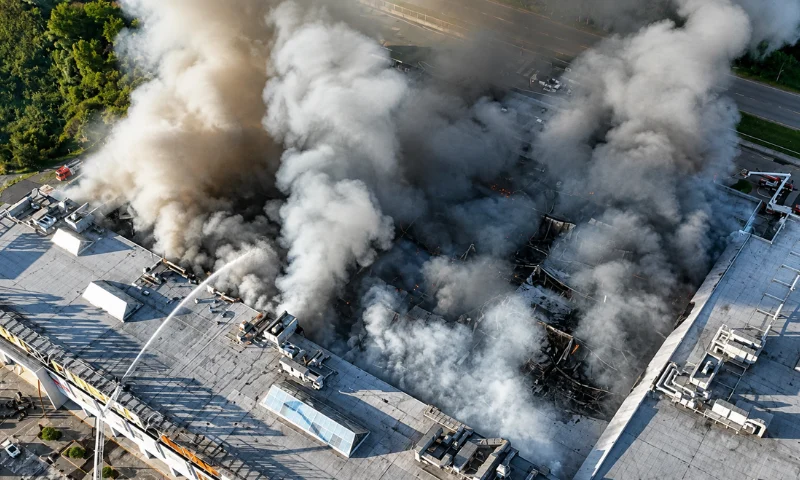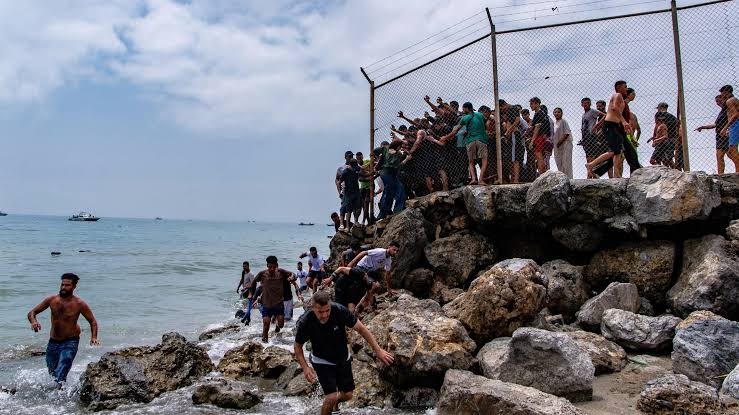
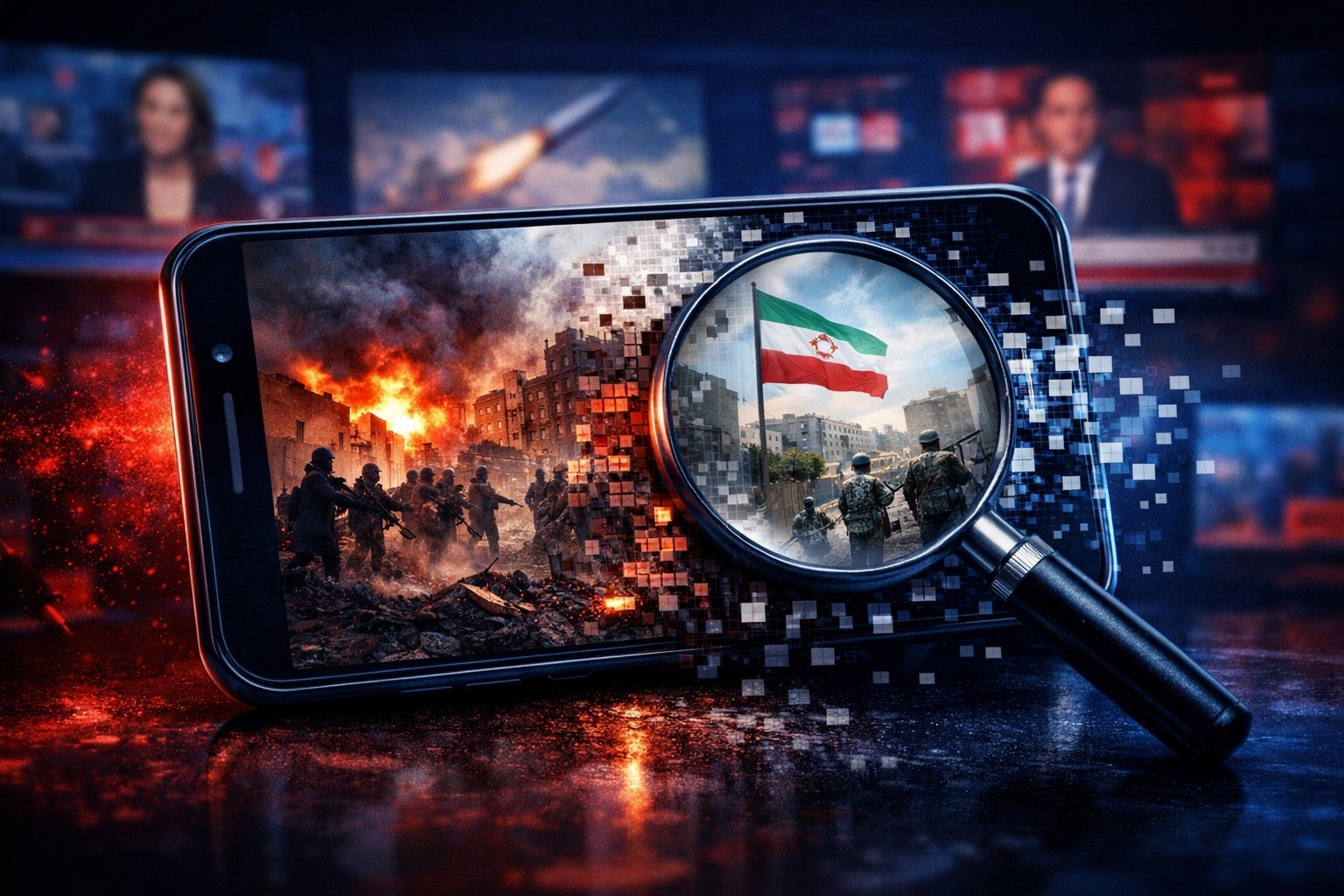
In today’s digital age, Iran Fake Images have emerged as a powerful reminder that not everything online is what it seems. A recent fact-check report by Deutsche Welle (DW Urdu) highlights how manipulated visuals linked to Iran have spread across global media, misleading audiences and distorting reality.
The issue is not just about misinformation—it’s about how quickly false narratives can shape global opinion. From recycled war photos to AI-generated visuals, misleading content is now traveling faster than ever before, leaving audiences struggling to separate fact from fiction.
What Are Iran Fake Images?
Iran Fake Images refer to manipulated, miscaptioned, or AI-generated visuals falsely linked to events in Iran. According to DW’s fact-check investigation, many viral images circulating on social media were either:
-
Taken from unrelated conflicts
-
Digitally altered using AI tools
-
Old images reused with new, misleading captions
These visuals were often presented as evidence of current events in Iran, particularly during periods of unrest or geopolitical tension.
The Rise of AI-Generated Misinformation
The phenomenon of Fake Images Iran is closely tied to advancements in artificial intelligence. AI tools now allow users to create hyper-realistic images and videos that are difficult to distinguish from authentic footage. These visuals often depict dramatic war scenes, destruction, or military activity—many of which never actually occurred.
Reports indicate that AI-generated content related to Iran has “exploded online,” with fake visuals spreading rapidly across social media platforms.
Such content is not only misleading but also profitable. Content creators often monetize viral posts, incentivizing the continued production of deceptive material.
How Iran Fake Images Mislead Global Media
One of the most alarming findings is how these images don’t just stay on social media—they often make their way into mainstream discourse.
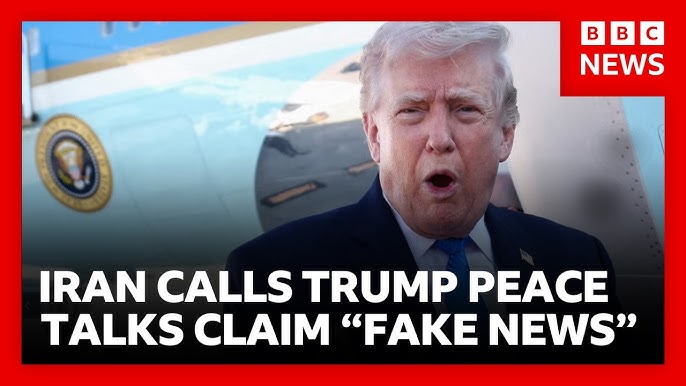
DW’s analysis shows that:
-
Viral posts are sometimes picked up without proper verification
-
Emotional imagery increases engagement, making fake content spread faster
-
International audiences often lack context, making them more vulnerable
Factors contributing to this widespead spread include:
-
Lack of immediate verification tools
-
High demand for real-time updates
-
Emotional impact of war imagery
-
Algorithm-driven amplification
This creates an environment where false visuals can gain credibility simply through repetition. As a result, misinformation travels across borders, shaping narratives far removed from reality.
Role of AI in Spreading Fake Images
Artificial Intelligence has added fuel to the fire. AI-generated images are now so realistic that even experienced viewers can struggle to identify them.
Key trends include:
-
Hyper-realistic war scenes created using AI
-
Fake protest visuals designed to evoke emotional reactions
-
Altered videos with misleading voiceovers
Experts warn that AI-generated misinformation is becoming a major global challenge, especially in politically sensitive regions like Iran.
The Role of Social Media Platforms
Social media platforms have played a central role in amplifying Fake Images Iran. Platforms such as X (formerly Twitter), Meta, and Google have struggled to contain the rapid spread of AI-generated misinformation.
Investigations revealed networks of coordinated accounts spreading fake Iran-related content, sometimes posing as users from other countries to increase credibility.
Additionally, platform algorithms often prioritize engagement over accuracy, unintentionally boosting sensational but false content.
Why Iran Fake Images Go Viral
Let’s call a spade a spade—fake content spreads because it’s designed to grab attention.
Here are the main reasons:
-
Emotional Impact – Shocking visuals trigger instant reactions
-
Algorithm Boost – Social media platforms promote high engagement
-
Lack of Verification – Users rarely check sources
-
Political Agendas – Competing narratives fuel misinformation
In short, when something looks dramatic, it spreads like wildfire.
Common Types of Iran Fake Images
| Type of Fake Image | Description | Example Use Case |
|---|---|---|
| Recycled Images | Old photos reused with new captions | Past wars shown as Iran conflict |
| AI-Generated Images | Completely fabricated visuals | Fake protests or destruction |
| Misleading Context | Real images used with incorrect descriptions | Wrong location or timeline |
| Edited Photos | Digitally altered to exaggerate events | Increased damage or crowd size |
Impact on Public Perception
The spread of Iran Fake Images has real-world consequences:
-
Distorted global opinion about Iran
-
Increased political polarization
-
Loss of trust in media
-
Difficulty in identifying truth
In some cases, misinformation can even influence diplomatic narratives and policy discussions.
Iran Fake Images and Information Warfare
Let’s not beat around the bush—this isn’t just random misinformation. It’s part of a broader information battle.
Different actors may use fake images to:
-
Promote specific political narratives
-
Discredit opponents
-
Influence international audiences
This makes media literacy more important than ever.
How to Identify Iran Fake Images
If something smells fishy, it probably is. Here’s how you can stay one step ahead:
-
Reverse Image Search – Check if the image existed before
-
Check Source Credibility – Trust verified outlets
-
Look for Inconsistencies – Lighting, shadows, or unnatural elements
-
Verify with Fact-Checkers – Platforms like DW and others
A little skepticism goes a long way.
Challenges Faced by Fact-Checkers
Organizations like Deutsche Welle and independent analysts face significant hurdles in combating Fake Images Iran.
These include:
-
Speed of misinformation spread
-
Limited access to original sources
-
Internet blackouts in conflict zones
-
Sophistication of AI-generated visuals
| Category | Fake Images Iran | Verified Media Content |
|---|---|---|
| Source | Unknown or anonymous accounts | Recognized media organizations |
| Creation | AI-generated or manipulated | Captured by journalists |
| Verification | Rarely verified | Fact-checked before publication |
| Purpose | Virality, propaganda, monetization | Informing the public |
| Impact | Confusion and misinformation | Credible awareness |
In some instances, AI-generated videos have reached millions of views before being debunked, demonstrating the scale of the challenge.
Legitimate Media Responsibility
Legitimate media organizations must tighten their verification processes. As highlighted by Deutsche Welle, even credible platforms can be misled if proper checks are not in place.
Responsible journalism requires:
-
Multi-source verification
-
Contextual reporting
-
Transparency in corrections
The Way Forward
The rise of Iran Fake Images is a wake-up call. In a world flooded with content, truth can easily get lost in the noise.
To tackle this issue:
-
Governments should promote digital literacy
-
Platforms must improve content moderation
-
Users need to verify before sharing
As the saying goes, “Trust, but verify.”
Conclusion
The issue of Iran Fake Images highlights a broader global challenge: the battle between truth and misinformation in the digital age. As AI continues to evolve, so too will the sophistication of fake content.
The responsibility to combat misinformation does not lie solely with institutions. Individuals must also adopt a cautious and informed approach to consuming and sharing content.
In a world where images can no longer be taken at face value, vigilance, verification, and awareness are the most powerful tools to preserve truth.