Eid-ul-Fitr, the joyous festival marking the end of Ramadan, is celebrated by millions of Muslims worldwide. While countries like Pakistan, Saudi Arabia, and Indonesia are widely known for their Eid traditions, fewer people are aware of how Muslims in China observe this important religious occasion.
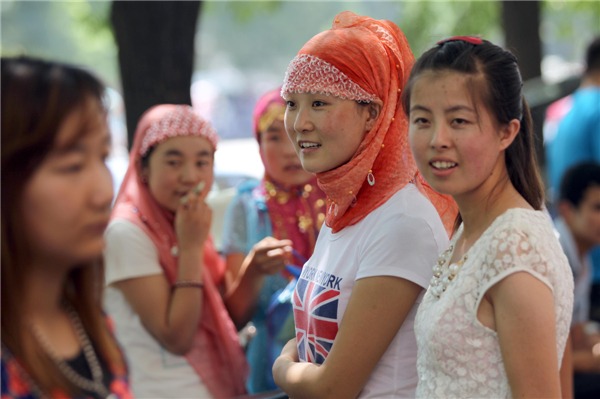
China is home to a diverse Muslim population, primarily from ethnic groups such as the Hui, Uyghur, Kazakh, and Dongxiang communities. Despite cultural and regional differences, Eid-ul-Fitr—locally known as “Roza Festival” or “Kaizhai Jie”—is celebrated with deep religious devotion, family gatherings, and unique cultural customs.
🕌 Muslim Communities in China
China’s Muslim population is estimated to be around 20–25 million people, spread across various regions. The largest Muslim communities include:
-
Hui Muslims – Found across China, especially in Ningxia
-
Uyghur Muslims – Primarily in Xinjiang
-
Kazakh and Kyrgyz Muslims – In western regions
-
Dongxiang Muslims – Mainly in Gansu province
Each community has its own traditions, but all unite in celebrating Eid-ul-Fitr as a day of gratitude, prayer, and festivity.
🌙 Moon Sighting and Eid Announcement in China
Like other parts of the Muslim world, Eid-ul-Fitr in China is determined by the sighting of the Shawwal crescent moon. However, in many regions, local Islamic associations and mosques follow pre-calculated lunar calendars along with traditional observations.
Eid is usually celebrated on the same day as neighboring countries in Central Asia, though slight differences can occur depending on local practices.
🕌 Eid Prayers and Religious Gatherings
The day of Eid begins with a special congregational prayer held in mosques and open grounds. Major mosques in cities such as:
-
Beijing
-
Xi’an
-
Yinchuan
-
Kashgar
become central gathering points for thousands of worshippers.
Men, women, and children dress in their finest clothes, often wearing traditional attire that reflects their ethnic identity. After the prayer, sermons emphasize unity, gratitude, and compassion.
🤝 Charity and Community Spirit
A key aspect of Eid-ul-Fitr is charity, known as Zakat-ul-Fitr. Muslims in China contribute food, money, or essential goods to help those in need.
Community kitchens and mosques often organize food distribution drives, ensuring that everyone—especially the underprivileged—can take part in the celebrations.
🍽️ Traditional Eid Foods in China
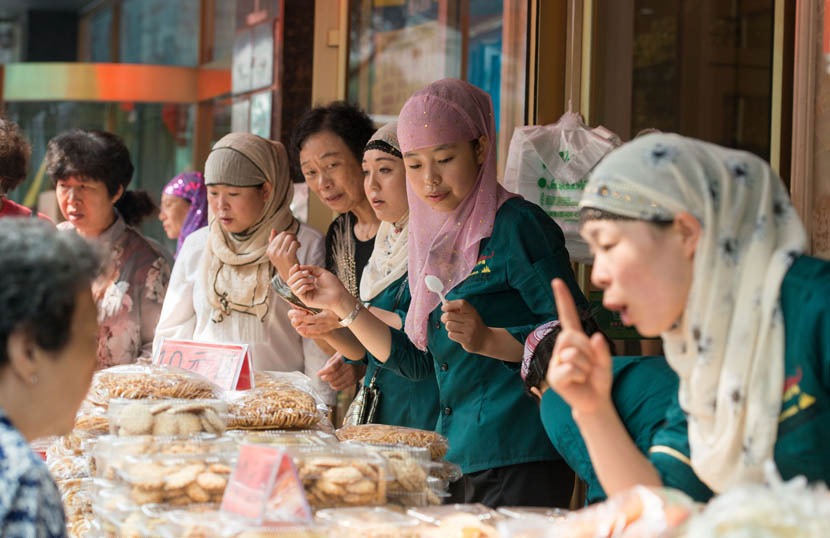
Food plays a central role in Eid celebrations across China, with each region offering unique dishes influenced by local culture.
Popular Eid Dishes:
-
Lamb skewers (Yang Rou Chuan) – A favorite in Uyghur cuisine
-
Hand-pulled noodles (Lamian) – Common among Hui Muslims
-
Naan and flatbreads – Staple in Xinjiang
-
Rice pilaf (Polo) – Rich and flavorful dish
-
Sweet pastries and desserts – Shared with guests
Unlike South Asia, where sweets like sheer khurma dominate, Chinese Eid cuisine reflects a blend of Central Asian and Chinese flavors.
👪 Family Visits and Social Gatherings
Eid-ul-Fitr in China is a time for family reunions and social bonding. People visit relatives, friends, and neighbors to exchange greetings and share meals.
Children often receive gifts or money, similar to the tradition of Eidi in South Asia. Elders bless the younger generation, reinforcing strong family ties.
🎉 Cultural Traditions and Festivities
Different Muslim communities celebrate Eid with unique cultural expressions:
-
Uyghur communities organize traditional dances and music
-
Hui Muslims focus more on religious and family gatherings
-
Community fairs and small markets may be set up in some areas
Traditional clothing, including embroidered caps and colorful dresses, adds vibrancy to the celebrations.
🌍 Comparison: Eid in China vs Other Countries
| Aspect | China | Pakistan / India | Middle East |
|---|---|---|---|
| Eid Prayer | Mosques & local gatherings | Large Eidgahs | Grand mosques |
| Food | Noodles, lamb, naan | Sheer khurma, biryani | Dates, kabsa |
| Cultural Style | Ethnic diversity | Traditional South Asian | Arab traditions |
| Public Celebration | Limited in some areas | Nationwide festive atmosphere | Large-scale celebrations |
| Moon Sighting | Local + calculated | Traditional sighting | Often astronomical support |
📅 Expected Eid-ul-Fitr 2026 in China
| Year | Expected Moon Sighting | Expected Eid Date |
|---|---|---|
| 2026 | March 19–20 | March 20 or 21 |
Note: Final confirmation depends on local moon sighting.
🌟 The Spirit of Eid in China
Despite regional differences, the essence of Eid-ul-Fitr in China remains the same as anywhere else in the world—gratitude, generosity, and unity.
Muslims come together to celebrate the completion of Ramadan, strengthen community bonds, and spread joy among family and friends.
Eid in China may not always be as widely visible as in Muslim-majority countries, but it carries a unique cultural richness that reflects the diversity of Islam across the world.
Dr. Mohammad Arif is a distinguished writer, researcher, and analyst specializing in cultural studies and global traditions. With a keen interest in exploring diverse religious communities around the world, he brings insightful perspectives on faith, society, and heritage. His work aims to promote understanding, unity, and appreciation of cultural diversity through well-researched and engaging content.