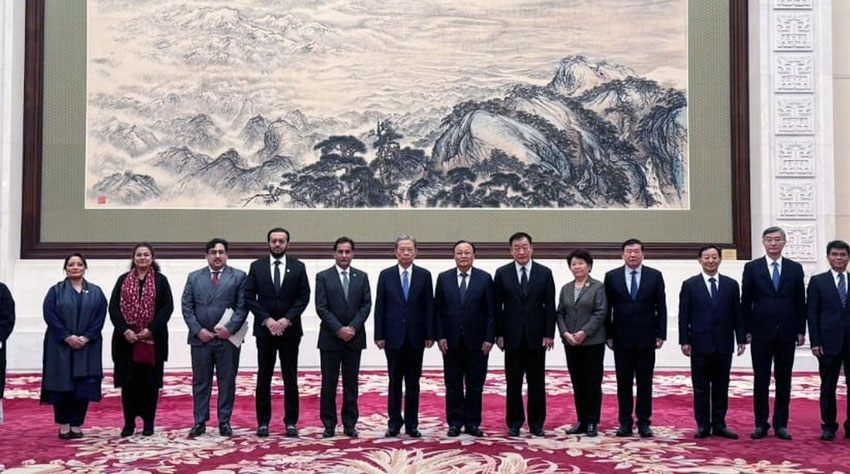
ISLAMABAD (PNP Media Monitoring) National Assembly Speaker Sardar Ayaz Sadiq led a high-level Pakistani parliamentary delegation on a three-day official state visit to China (January 19–21) at the invitation of the Chairman of China’s National People’s Congress (NPC) Standing Committee, Zhao Leji. This visit occurred at an important moment — marking the 75th anniversary of formal diplomatic relations between Pakistan and China, a milestone that both sides are using to reaffirm and expand their all-weather strategic cooperative partnership. Several Pakistani parliamenterians including Romina Khurshid Alam, Nauman, Zeeshan Jaffer and Maulana Abdul Ghafoor Haideri were also part of the delegation.
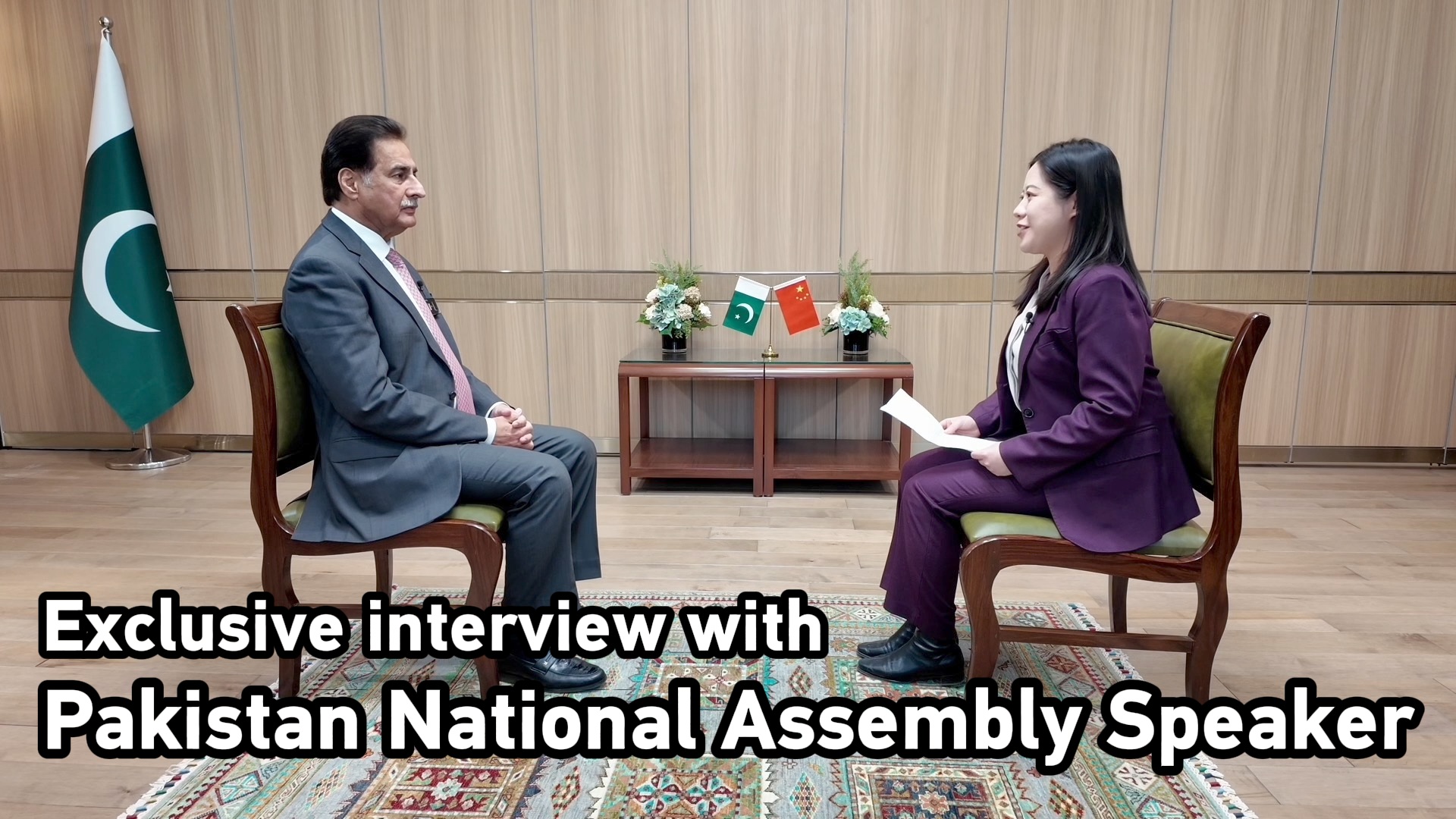
Prominent Chinese media — primarily state-run outlets like Xinhua, People’s Daily Online, and other government-affiliated news services — provided extensive and positive coverage of this visit. The CGTN TV aired an exclusive interview as well. Their reporting showcased the warm reception accorded to Speaker Sadiq and the broad institutional commitment within China’s political establishment to strengthening ties with Pakistan.
Comprehensive Chinese Media Coverage
The Chinese state and state-affiliated media outlets provided formal coverage or linked reporting on Speaker Sardar Ayaz Sadiq’s January 2026 visit to China, showcasing the warm reception by China’s top leadership and emphasizing deepening bilateral ties:
-
Xinhua News Agency (新华社) – official Chinese state news service.
-
People’s Daily / People.com.cn (人民日报 / 人民网) – China’s leading state newspaper and its online portal.
-
CGTN (CCTV国际频道) – CCTV’s international news channel providing English-language global reporting.
-
Official Government and Embassy Sites (China Ministry of Foreign Affairs, Chinese Embassy pages) – for state-level diplomatic release reporting.
-
CPPCC / One Belt One Road related Chinese outlets – covering high-level meetings.
These sources together reflect how Chinese media ecosystem coverage spanned state announcements, detailed diplomatic reporting, and international broadcast narratives about the visit and the high-level engagement between Speaker Ayaz Sadiq and China’s political leadership, reinforcing the narrative of ironclad friendship and strategic cooperation
1. Broad Media Framing: A Symbol of Enduring Friendship
Chinese media framed this visit as a symbol of deeper cooperation and a reaffirmation of the historic bond between Beijing and Islamabad. Lead reports generally opened with the formal announcement of the visit, its dates (Jan. 19–21), the invited host (NPC Chairman Zhao Leji), and the significance of the timing as the 75th anniversary of diplomatic relations.
State outlets emphasized:
-
Pakistan’s strategic role in China’s foreign policy calculus.
-
The visit’s contribution to enhancing parliamentary and legislative cooperation.
-
China’s ongoing commitment to institutionalizing relations, particularly in the parliamentary sphere.
-
The unshakeable friendship between the two peoples.
By foregrounding these themes, Chinese media ensured the visit was portrayed not simply as routine diplomacy but as a reaffirmation of a time-tested alliance — one that transcends transactional interests and rests on shared strategic trust.
2. Warm Reception Highlighted by Chinese Leadership Interaction
Meetings with Top Chinese Leaders
Chinese outlets reported in detail on Speaker Sadiq’s bilateral meetings with China’s top legislative and political leadership:
-
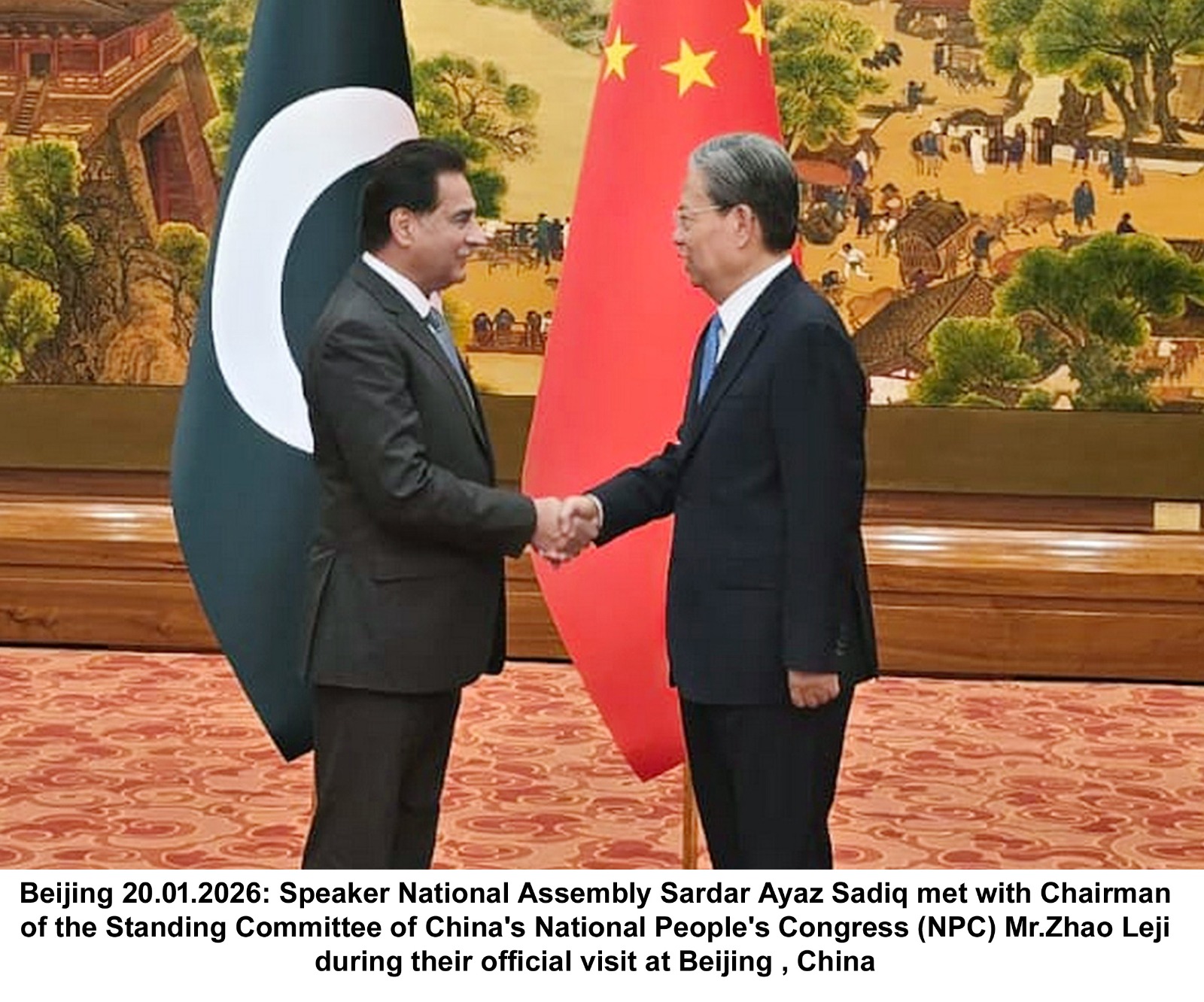
Zhao Leji, Chairman of the NPC Standing Committee, hosted Speaker Sadiq at the Great Hall of the People in Beijing. Zhao reiterated that China and Pakistan are “ironclad friends” and all-weather strategic cooperative partners, offering full support for mutual development objectives and cooperation in key sectors including industry, agriculture, infrastructure, and CPEC-related initiatives.
-
Wang Huning, Chairman of the Chinese People’s Political Consultative Conference (CPPCC) — a key political advisory body — met with Sadiq and underscored China’s readiness to deepen practical cooperation in economy, trade, education, and personnel training. Wang emphasized the significance of expanding the China-Pakistan community of shared future, a framing widely reflected in Chinese reporting.
Many Chinese reports also noted Sadiq’s affirmation of Pakistan’s steadfast support for China’s core interests (including the one-China policy and understanding on issues of territorial integrity). They cited his articulation of Pakistan’s commitment to ensuring the safety of Chinese personnel and projects within Pakistan — a message designed to resonate with Chinese audiences given Beijing’s prioritization of security for Belt and Road partners.
State Media Language: Respect and Warmth
The tone in Chinese media descriptions was explicitly warm and respectful:
-
Leaders described Pakistan-China ties as an “ironclad friendship” and strategic partnership critical for peace and prosperity in the region.
-
Reports highlighted mutual understanding on global issues and multilateral cooperation, a common theme in Chinese diplomatic media.
-
Focus was given to expanded legislative and people-to-people exchanges, signaling that the relationship was moving beyond traditional government-to-government channels into deeper institutional engagement.
Through this language, Chinese media conveyed not just cordial relations but a sense of shared destiny, a narrative that aligns with broader Chinese diplomatic messaging around the Belt and Road and global cooperation frameworks.
3. Thematic Emphasis: Strategic Partnership and Future Cooperation
Chinese media coverage of Sadiq’s visit often highlighted forward-looking cooperation. Rather than focusing strictly on ceremonial aspects, reports underlined actionable themes:
Parliamentary Cooperation
-
China’s NPC reportedly expressed interest in institutionalizing parliamentary exchanges, including shared legislative learning, oversight collaboration, and mutual visits. This signals that cooperation is not ceremonial but structured for long-term institutional engagement.
-
Chinese analysts and state media tied these efforts to broader diplomatic frameworks such as People-to-People Exchanges, Economic Corridor cooperation, and legislative dialogue on governance practices.
Economic and Strategic Projects
-
Coverage connected discussions on CPEC’s upgraded version (2.0) with shared goals in industry, transportation, and infrastructure — with Chinese commentators interpreting this as a commitment to shared prosperity and regional connectivity.
Regional and Global Implications
-
Chinese outlets emphasized mutual support on international issues including support for multilateralism, cooperation on development agendas, and shared perspectives at international forums. This underscores China’s desire to present this bilateral partnership as part of a broader global south cooperation narrative.
Collectively, these themes surfaced repeatedly across multiple Chinese media platforms, offering a coherent narrative of partnership, mutual respect, and shared goals rather than isolated symbolic gestures.
4. China’s State Media Impact and Diplomatic Messaging
Understanding Chinese media coverage in this context is important not only because it reflects China’s perspective on the visit but because it shapes how Chinese audiences and international observers interpret Sino-Pak relations.
Positive Media Tone
The uniformly positive tone — with repeated references to “ironclad friendship” and deepening cooperation — is consistent with how Beijing typically frames key diplomatic engagements, especially with strategic partners like Pakistan. Such reporting often highlights:
-
Shared strategic priorities.
-
Sympathetic portrayal of partner’s policy positions (e.g., Pakistan’s support for China’s security concerns).
-
Emphasis on mutually beneficial economic projects.
Reinforcing Bilateral Bonds Ahead of Milestones
Given that 2026 marks 75 years of diplomatic ties, Chinese media’s coverage of Speaker Sadiq’s visit can also be seen as part of a broader effort to celebrate and amplify this historic relationship through narratives that emphasize continuity, trust, and forward momentum.
Conclusion: A Warm Reception and Strategic Narrative
Chinese media’s extensive coverage presented Speaker Ayaz Sadiq-led Pakistani parliamentary delgation’s three-day visit not just as a protocol-driven diplomatic event but as a strategically meaningful exchange that reinforced:
-
The depth of Pakistan-China friendship.
-
China’s institutional commitment to parliamentary and legislative cooperation.
-
Shared visions for economic, strategic, and people-oriented cooperation in the years ahead.
-
Warm, high-level reception by top Chinese leadership, underlining the importance Beijing places on this bilateral relationship.
In doing so, Chinese media underlined the narrative that the Pakistan-China partnership remains vibrant, mutually beneficial, and central to both countries’ regional visions — a narrative likely intended for both domestic Chinese audiences and international diplomatic observers.
Sabahuddin Qazi is an experienced journalist and analyst specializing in South Asian politics, international relations, and media studies. With a deep understanding of Pakistan-China diplomatic affairs, Sabahuddin has contributed extensively to various national and international publications. He is known for insightful commentary on bilateral ties, parliamentary diplomacy, and regional strategic developments.