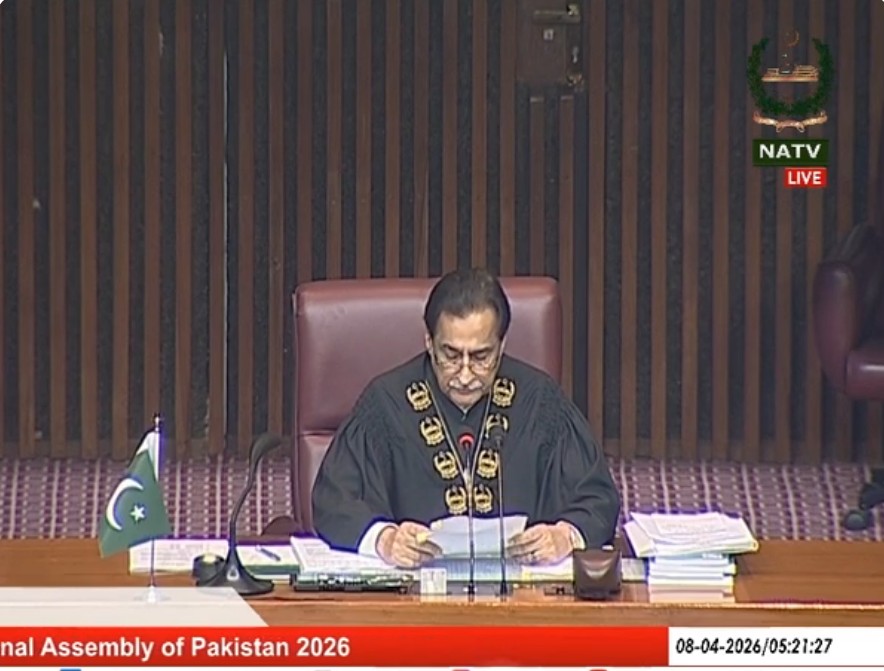
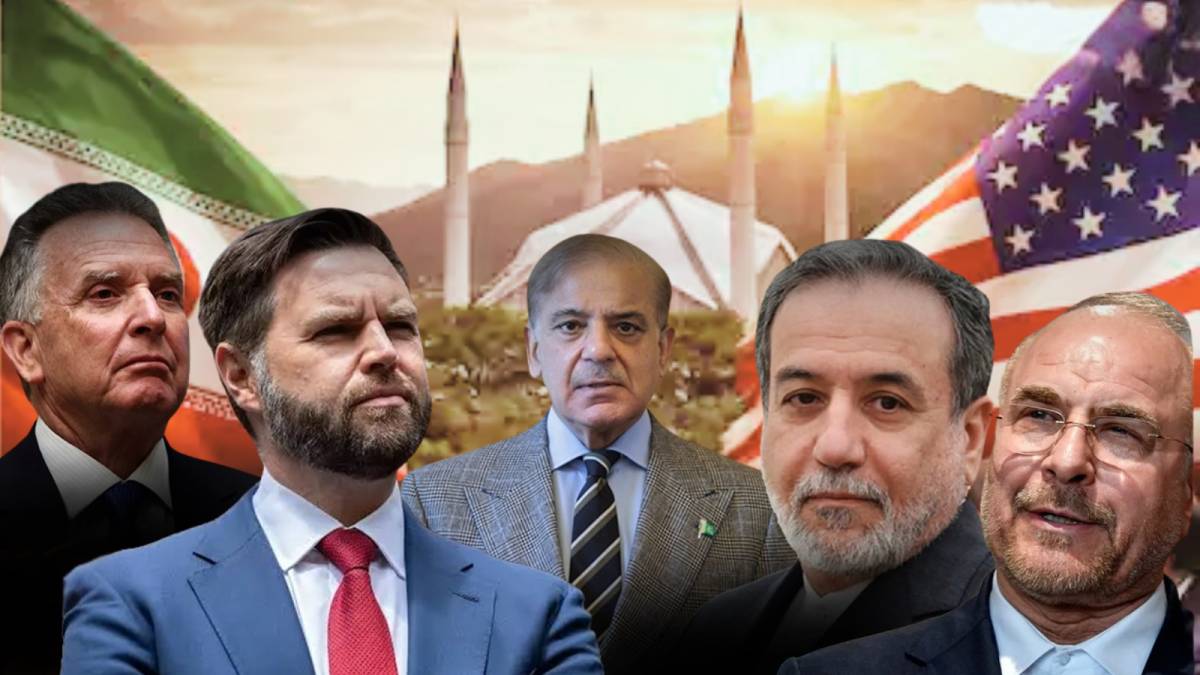
ISLAMABAD (Sabahuddin Qazi / PNP): The final round of US–Iran Ceasefire Talks, held in Pakistan’s capital Islamabad, concluded without a final agreement, leaving uncertainty over the fragile two-week truce. Despite 21 hours of intensive face-to-face discussions, led by US Vice President JD Vance, the talks failed to secure a clear commitment from Tehran on abandoning its pursuit of nuclear weapons—one of Washington’s core demands.
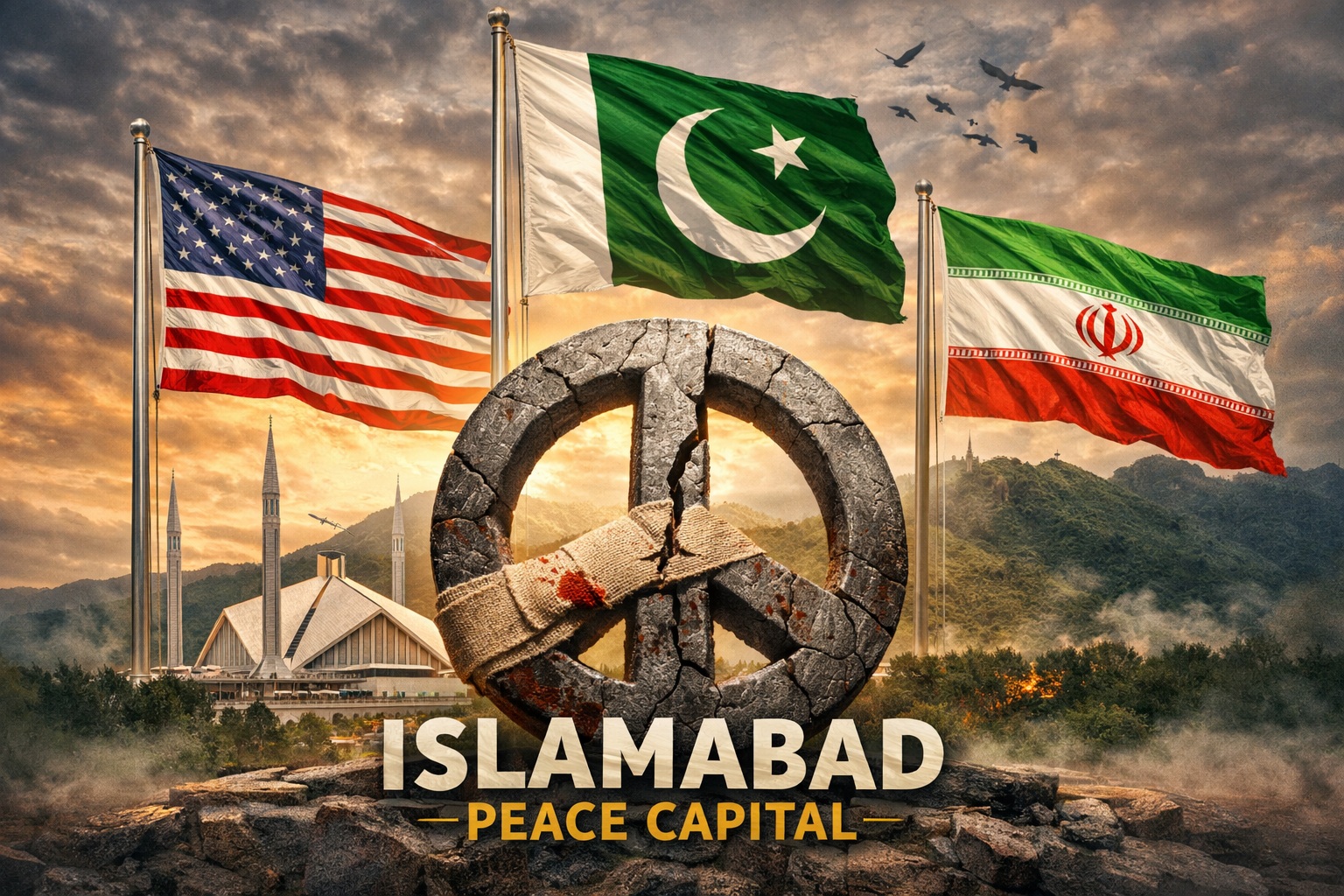
While the outcome fell short of expectations, Pakistan’s role as host and mediator of US–Iran Ceasefire Talks remained central and widely appreciated. Pakistani leadership, including Prime Minister Mohammad Shehbaz Sharif, Deputy Prime Minister & Foreign Minister Ishaq Dar and Field Marshal Syed Asim Munir, urged all parties to uphold the ceasefire and emphasized Islamabad’s continued commitment to facilitating dialogue. As tensions persist, Pakistan has once again positioned itself as a key diplomatic bridge, working to sustain peace efforts and encourage renewed negotiations between the United States and Iran.
Even before the historic US–Iran Ceasefire Talks concluded, it was evident that significant and deeply rooted differences existed between the United States and Iran. Despite progress on several issues, the talks ultimately fell short of producing a comprehensive agreement.
Following negotiations held in Islamabad, Iranian Foreign Ministry spokesperson Esmaeil Baghaei stated that while consensus had been reached on many topics, disagreements on few critical issues prevented a final deal. These discussions also introduced new topics, including the strategic Strait of Hormuz, each carrying its own complexities.
⚛️ The Nuclear Dispute: The Core Issue
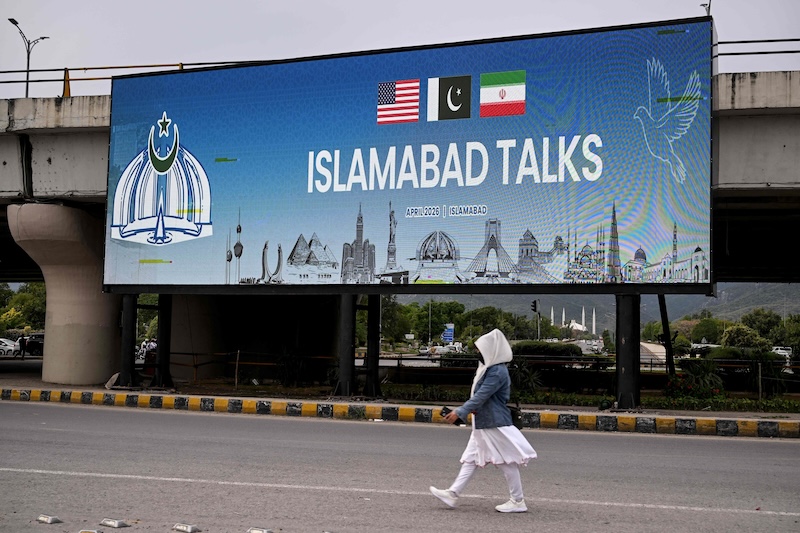
The most significant and longstanding disagreement in the US–Iran Ceasefire Talks revolves around Iran’s nuclear program.
Before leaving Islamabad, US Vice President JD Vance emphasized that the United States seeks clear assurances that Iran will not develop nuclear weapons. He noted that while many details of the 21-hour closed-door negotiations remain confidential, the core objective is straightforward: preventing Iran from acquiring nuclear weapons capability.
According to US officials, Iran’s uranium enrichment capabilities have already been significantly reduced. However, Washington remains unconvinced about Tehran’s willingness to permanently abandon nuclear weapons ambitions.
Iran, on the other hand, argues that as a signatory to the Nuclear Non-Proliferation Treaty, it has the legitimate right to enrich uranium for civilian purposes. This fundamental disagreement continues to be a major obstacle.
Iran reportedly presented a 10-point proposal, which Donald Trump described as a “workable basis” for negotiations. However, the US proposed a 15-point plan that includes a strict demand: Iran must completely halt all uranium enrichment on its soil.
This stark contrast in positions highlights why reaching a consensus remains so challenging.
🇱🇧 Lebanon Factor: A Major Complication
Another critical issue influencing the US–Iran Ceasefire Talks is the situation in Lebanon.
Iran’s ally, Hezbollah, has been engaged in ongoing conflict with Israel. Even before negotiations began, Israeli operations against Hezbollah were already complicating diplomatic efforts.
Iranian President Masoud Pezeshkian warned that continued Israeli actions in Lebanon could render the negotiations meaningless. While Pakistan indicated that Lebanon was included in the ceasefire framework, Israel later clarified that its operations in Lebanon would continue.
Shortly after US officials departed Islamabad, reports emerged of Israeli strikes in southern Lebanon, underscoring the fragile nature of the ceasefire environment.
Although US officials suggested that the intensity of Israeli operations might be reduced, it remains uncertain whether this would satisfy Iran’s concerns.
🚢 Strait of Hormuz: Strategic and Economic Stakes
The Strait of Hormuz represents another major point of contention in the US–Iran Ceasefire Talks. This vital waterway is one of the world’s most important sea routes, through which a significant portion of global oil supply passes.
Allegedly, during the US–Iran Ceasefire Talks, the US envoy accused Iran of acting in bad faith regarding shipping access through the strait. He stated that Iran’s recent actions were not part of any agreement.
Currently, hundreds of ships and approximately 20,000 sailors remain stranded in the gulf, with only limited vessels allowed to pass. Reports suggest that ships permitted to transit have been required to pay fees as high as $2 million.
Iran appears determined to formalize its control over the strait, describing it as sovereign Iranian waters and proposing new regulations to determine passage rights.
In response to shipping concerns, Iran announced new transit routes north of existing channels, claiming these are necessary to avoid naval mines and ensure safety.
However, these developments have raised serious concerns among global powers and shipping companies alike.
🌍 Iran’s Regional Allies and Strategic Influence
Iran’s network of regional allies adds another layer of complexity to the US–Iran Ceasefire Talks. This network includes Hezbollah in Lebanon, the Houthis in Yemen, Hamas in Gaza, and various militias in Iraq.
Through these groups, Iran implements a strategy often described as “forward defense,” allowing it to project influence across the region.
Since the start of the Gaza conflict in October 2023, this network has come under sustained pressure. Israel views this entire structure as a direct threat to its security and aims to dismantle it completely.
At the same time, Iran faces internal economic challenges. Many Iranian citizens are calling for greater focus on domestic development rather than regional conflicts. Despite this, there are no clear indications that Iran is willing to abandon its allies.
💰 Sanctions Relief: A Key Demand
One of Iran’s primary demands in the US–Iran Ceasefire Talks is the removal of long-standing international sanctions.
Iran has faced decades of economic restrictions imposed by the United States and its allies. As part of any potential agreement, Tehran seeks the complete lifting of these sanctions.
Iranian Parliament Speaker Mohammad Bagher Ghalibaf stated that approximately $120 billion in frozen Iranian assets should be released before negotiations proceed further. He described this as one of two preconditions, the other being a ceasefire in Lebanon.
However, the ceasefire announcement did not include any mention of restoring these assets, raising questions about the feasibility of Iran’s demands. It appears unlikely that the US administration would agree to such significant concessions at this stage.
📊 Five Key Issues in US–Iran Ceasefire Talks
| Issue | US Position | Iran Position | Outcome |
|---|---|---|---|
| Nuclear Program | No enrichment allowed | Civilian enrichment rights | Disputed |
| Lebanon Conflict | Limited Israeli restraint | Full ceasefire required | Unresolved |
| Strait of Hormuz | Free navigation | Controlled access | Disputed |
| Regional Allies | Reduce influence | Maintain alliances | Disputed |
| Sanctions Relief | Gradual easing | Immediate removal | Disputed |
⚠️ Why No Final Agreement Was Reached
Despite progress on several fronts, the US–Iran Ceasefire Talks ultimately failed to produce a final agreement due to:
- Deep-rooted mistrust between both sides
- Conflicting positions on nuclear policy
- Ongoing regional conflicts
- Economic and political pressures
These challenges ultimately resulted in failure of the US–Iran Ceasefire Talks while highlighting the complexity of modern diplomacy, where multiple interconnected issues required to be resolved simultaneously.
🕊️ Conclusion
The US–Iran Ceasefire Talks represent a significant but incomplete step toward regional stability. While the negotiations demonstrated the willingness of both sides to engage, major obstacles remain.
Achieving a lasting agreement will require compromise, sustained diplomatic effort, and the involvement of multiple international stakeholders. Until then, the path to peace remains uncertain, shaped by both opportunity and challenge.
Mr. Sabahuddin Qazi is a senior journalist, researcher and analyst based in Islamabad.