The global aviation industry often becomes an invisible casualty of geopolitical tensions. The ongoing war involving Iran and the continued closure of Pakistan’s airspace to Indian carriers have created a perfect storm for India’s aviation sector. What might appear as isolated political developments are now converging to create severe operational and financial challenges for major Indian airlines such as Air India and IndiGo.
This situation highlights how international politics can dramatically reshape global aviation routes, costs, and competitive dynamics. For Indian airlines already struggling with the consequences of Pakistan’s airspace ban, the instability in the Middle East has delivered what experts describe as a “double whammy.”
Pakistan’s Airspace Ban: The First Strategic Blow
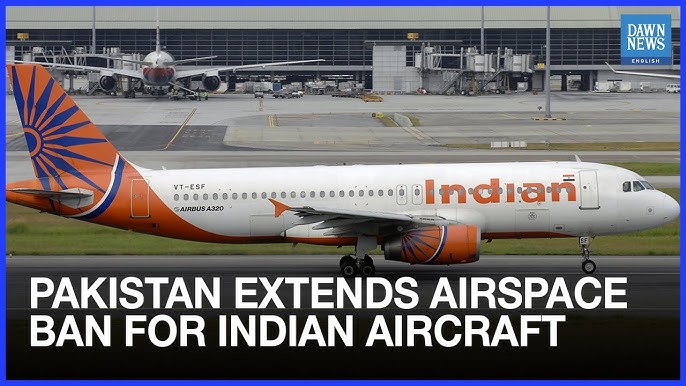
The crisis began during May 2025 aerial clash when Pakistan closed its airspace to Indian airlines following heightened tensions between the two countries. The decision was part of a broader geopolitical confrontation and has remained in place for an extended period.
Airspace access is critical in international aviation because it determines the shortest and most efficient routes between continents. For Indian airlines operating flights from northern cities such as Delhi to Europe, North America, and Central Asia, Pakistan’s airspace historically provided the most direct corridor.
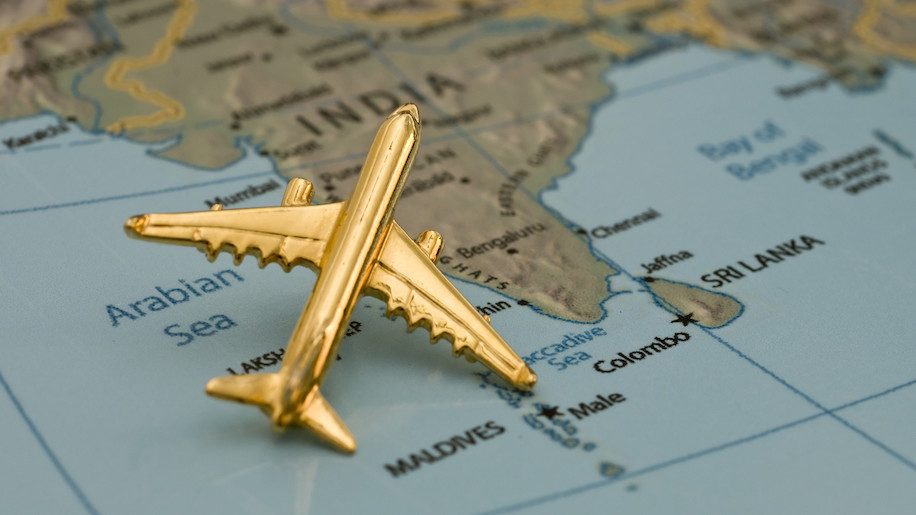
With that corridor closed, Indian carriers have been forced to reroute flights through longer paths across the Arabian Sea or other alternative routes. These detours increase travel time by several hours, significantly raising fuel consumption, crew costs, and operational complexity.
Industry estimates suggest the ban has already cost Indian airlines billions of rupees annually due to longer routes and operational inefficiencies.
For airlines operating on thin profit margins, these added expenses can quickly erode profitability and competitiveness.
The Iran War: A Second Shock to Aviation
Just as Indian airlines were adjusting to the airspace restrictions imposed by Pakistan, the ongoing conflict involving Iran introduced another layer of disruption.
The Middle East serves as a crucial transit corridor for flights between South Asia and Western destinations. However, military tensions and security concerns have forced airlines worldwide to avoid certain parts of Middle Eastern airspace.
For Indian airlines, the situation is particularly severe. Because they cannot fly over Pakistan, their routing options are already limited. Now, with sections of Middle Eastern airspace becoming unsafe or restricted due to conflict, the choices for flight paths have shrunk even further.
Recent aviation data shows that nearly 64% of scheduled Indian flights to the Middle East, Europe, and North America were not operated in the last ten days due to these disruptions.
This indicates the scale of the crisis affecting the aviation sector.
Rising Operational Costs
One of the most immediate consequences of these airspace restrictions is the sharp increase in operational costs.
Longer routes require more fuel, which is already one of the biggest expenses for airlines. Additionally, longer flight durations mean airlines must schedule extra crew members and potentially arrange refueling stops in foreign airports.
For example, flights that previously took 14–17 hours may now take more than 20 hours due to rerouting and technical stops.
These changes reduce efficiency and increase ticket prices for passengers.
Furthermore, aircraft utilization — the amount of time a plane spends flying — declines when flights take longer. This means airlines need more aircraft to maintain the same schedule, further increasing operational pressure.
Competitive Disadvantage in Global Aviation
Another critical issue for Indian airlines is the competitive disadvantage created by these restrictions.
International airlines from Europe, the Middle East, and East Asia can still use Pakistani airspace, allowing them to maintain shorter routes between Europe and South Asia. As a result, they enjoy lower operational costs and shorter flight times compared to Indian carriers.
This difference can make competing airlines more attractive to passengers who prefer shorter travel times and lower fares.
For instance, a European airline flying from London to Delhi may take a shorter path over Pakistan, while an Indian airline must detour around it. This asymmetry places Indian carriers at a strategic disadvantage in international aviation markets.
Broader Economic Implications
The aviation crisis extends beyond airlines themselves. Aviation is a critical component of global trade, tourism, and business connectivity.
If Indian airlines reduce routes or increase ticket prices due to higher costs, it could impact tourism flows, cargo logistics, and economic connectivity between India and the rest of the world.
Additionally, Indian expatriate communities in the Middle East and Western countries depend heavily on affordable and frequent flights. Rising fares due to operational disruptions could significantly affect millions of travelers.
Reports already indicate ticket prices for flights to the Middle East have increased due to reduced capacity and higher operating costs.
Such increases can have ripple effects across tourism, labor mobility, and economic exchange.
Strategic Lessons for Aviation Policy
The crisis also highlights broader strategic lessons for aviation policy and geopolitical planning.
First, overdependence on specific air corridors can create vulnerability during political crises. Countries and airlines must develop contingency plans and diversify flight routes to mitigate such risks.
Second, aviation diplomacy plays an important role in international relations. Airspace access agreements can influence trade, connectivity, and economic cooperation between nations.
Finally, the situation illustrates how geopolitical conflicts far from a country’s borders can still significantly impact its domestic industries.
For Indian airlines, the Iran conflict may be geographically distant, but its consequences are immediate and tangible.
The Future Outlook
The duration of this aviation crisis will largely depend on two factors: the continuation of the Iran conflict and the resolution of tensions between India and Pakistan.
If both issues persist, Indian airlines may face prolonged financial strain and operational challenges. Some routes may become commercially unviable, forcing airlines to suspend services or increase ticket prices.
However, the crisis may also encourage innovation in route planning, fleet management, and international aviation cooperation.
Historically, the aviation industry has demonstrated resilience in adapting to geopolitical disruptions — whether due to wars, pandemics, or economic crises.
The current situation may therefore serve as another turning point for strategic adaptation in global aviation.
Conclusion
The combined impact of the Iran war and Pakistan’s airspace ban represents a significant challenge for Indian airlines. What began as a regional political dispute has now evolved into a broader aviation crisis affecting routes, costs, and competitiveness.
For Indian carriers, the situation underscores the complex relationship between geopolitics and global transportation networks. In an interconnected world, events thousands of kilometers away can reshape the economics of flying overnight.
Ultimately, the crisis reminds policymakers and aviation leaders that airspace is not just geography — it is also geopolitics.