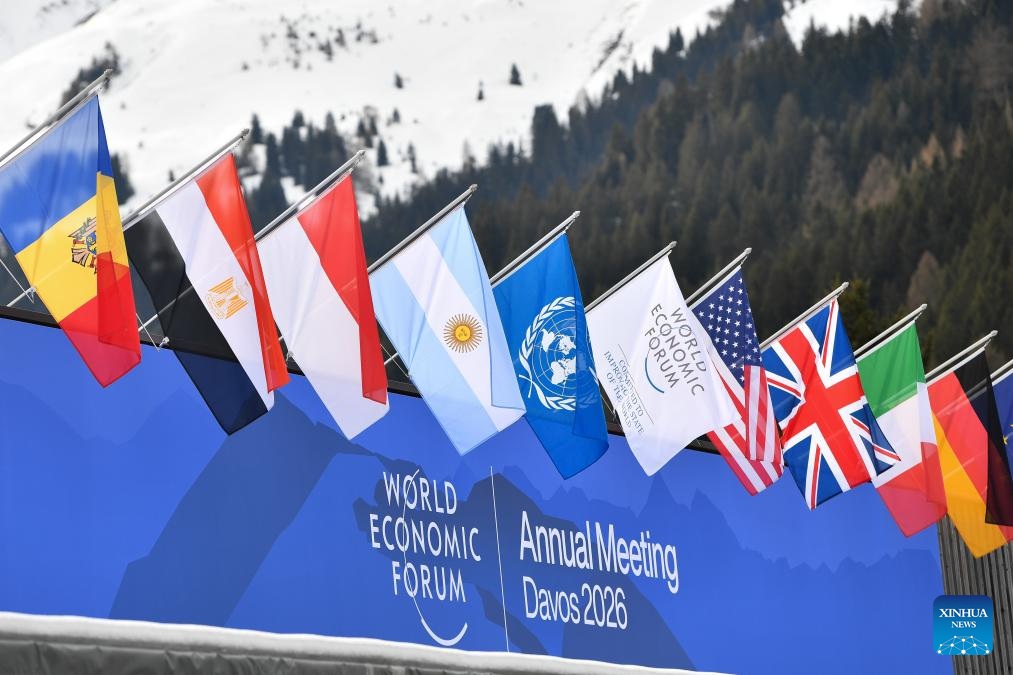
The World Economic Forum (WEF) is one of the most influential global institutions — yet it remains poorly understood to many. To the general public, it’s often just an annual gathering in Davos, Switzerland, where world leaders, CEOs, politicians, and intellectuals convene. But beyond the polished press releases and media coverage, there are several hidden dimensions to the WEF — from its membership criteria and costs to the role it plays in shaping global policy and why developing countries like Pakistan participate.
In this post, we’ll unpack these lesser-known aspects and offer a nuanced look at what the WEF really is and how it operates.
What Is the World Economic Forum?
The World Economic Forum is a non-profit foundation based in Geneva, Switzerland. Founded in 1971 by German economist Klaus Schwab, its stated mission is to “improve the state of the world by engaging leaders in partnerships to shape global, regional and industry agendas.” It brings together leaders from government, business, academia, and civil society to discuss and collaborate on global challenges like economic inequality, climate change, technology, and geopolitics.
While the annual meeting in Davos is its most high-profile event, the WEF also conducts research, publishes influential reports (like the Global Competitiveness Report and Global Risks Report), and hosts regional meetings throughout the year. WEF participants often include top officials from countries, multinationals, and international institutions — a unique blend that sets it apart from purely government or purely corporate entities.
Membership Fees and Criteria — Who Gets Inside?
One of the least discussed aspects of the WEF is how exclusive it actually is. Participation — particularly as a member or partner — is not free.
Reportedly, only the world’s largest companies can become strategic members of the WEF. To qualify, a corporation generally must have:
-
A minimum annual turnover of approximately $5 billion, and
-
The ability to pay membership fees of up to $1 million per year.
This means that the organization’s backbone consists primarily of major global corporations — not small or medium enterprises, nor grassroots civil society organizations. These fees cover access to high-level meetings, networking opportunities, specialized working groups, and other WEF initiatives.
Such a high cost and strict revenue threshold naturally favor wealthier companies, giving them privileged access to influential networks and decision-makers.
What Does This Mean in Practice?
Because membership is limited to companies of a certain financial stature, the WEF has been described by critics as an “elite club” where powerful corporations and individuals gather — often shaping narratives and policy directions that have global consequences.
Supporters of the forum argue that this exclusivity is simply a function of practical logistics — complex, global discussions require the involvement of major players who have the most at stake. But critics see it as reinforcing global inequalities by privileging big business and wealthy nations, often at the expense of broader societal representation.
Behind Closed Doors: What Really Happens at Davos
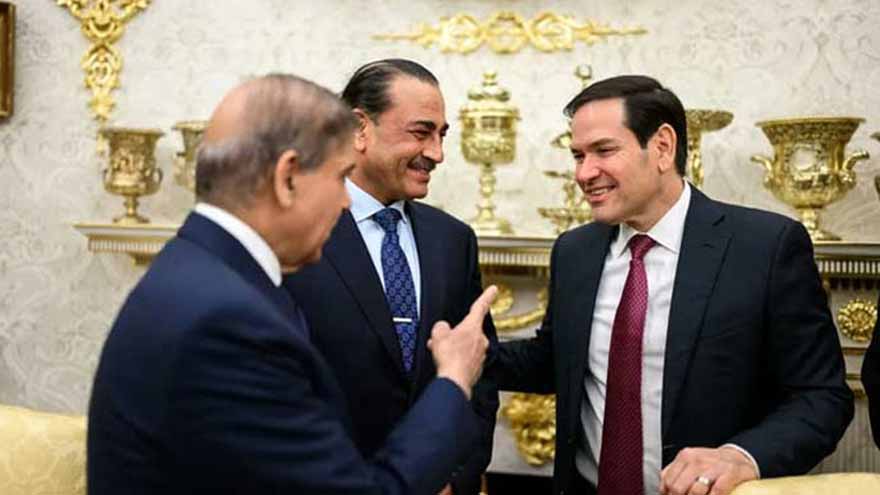
Although high-profile speeches dominate headlines, many of the most consequential discussions during the World Economic Forum at Davos occur in small, private sessions or side meetings. According to media reports, these side events — which can number in the hundreds — are where networking, deal-making, and strategic alignments take place.
These closed-door meetings are often not covered by the formal press agenda, and ordinary citizens have little insight into them. Critics contend this can create a lack of transparency about how influential decisions are being shaped or framed.
It’s also worth noting that large corporations often use these sessions to explore market opportunities, investment deals, and policy alignments — sometimes leveraging the WEF’s platform to engage with governments directly.
Why Do Third-World Countries Participate?
One frequent question is: Why do developing countries like Pakistan send large delegations to the World Economic Forum?
There are several reasons:
1. Access to International Leaders and Influencers
For developing nations, Davos offers a unique platform to interact with global leaders, investors, and policy makers in one place. Pakistan’s delegation, including the Prime Minister, Field Marshal and senior officials, often uses the forum to:
-
Advocate for economic cooperation,
-
Highlight investment opportunities, and
-
Rally global support for national priorities.
2. Attracting Foreign Investment
Participation allows countries like Pakistan to showcase investment opportunities to multinational corporations and potential investors. Official statements from Pakistan’s government highlighted that one of the main goals of attending Davos is to encourage global companies to invest in Pakistan’s economy.
For developing economies with capital constraints, foreign direct investment (FDI) is often viewed as a crucial engine of growth — and the WEF provides access to wealthy investors and business leaders.
3. International Visibility and Perception
Global forums provide an opportunity for countries to shape their international image. In Pakistan’s case, attending Davos helps present the country as engaged with the global economic community, open to dialogue, and willing to pursue reforms and partnerships.
4. Policy Dialogue and Risk Insights
The WEF produces numerous research reports — such as the Global Risks Report, which analyzes economic, environmental, and geopolitical risks worldwide. These insights can help policymakers in developing countries prioritize reforms and strategies. While not all countries have equal influence on these reports, access to them still informs national policy planning.
Criticism and Controversy: Elite Networking or Global Governance?
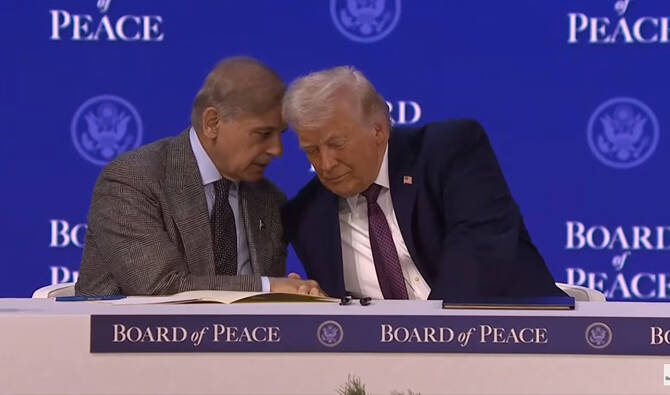
The World Economic Forum has always attract media attention. Supporters posit that it fosters meaningful dialogue among leaders who must collaborate to solve complex global problems like climate change, technological disruption, and financial instability.
However, critics raise serious concerns:
-
Some see it as a platform for corporate influence over public policy, rather than a space for democratic decision-making.
-
Others argue that its high membership fees and exclusive criteria disproportionately favor wealthy corporations and powerful nations, while marginalizing voices from workers, grassroots groups, and smaller economies.
Independent analysts even describe the World Economic Forum as an elite club of global power holders — a space where ideas are shaped by influential actors without broad accountability.
Conclusion: A Complex Reality
The World Economic Forum is more than a yearly summit — it’s a complex institution with both notable achievements and serious controversies. From governance questions and exclusivity to powerful networking roles and historic diplomatic dialogues, the “hidden facts” of the WEF paint a picture far richer and more complicated than the headlines alone.
Whether you admire its global cooperation goals or question its elitist nature, understanding these lesser-known dimensions of the World Economic Forum is essential for anyone interested in the forces shaping our global future.
Understanding the hidden facts of the World Economic Forum — including how membership works, why certain countries participate, and how decisions are discussed behind closed doors — is essential for anyone interested in the structure and future of global governance.
Dr. Mohammad Arif is an Islamabad-based senior researcher and analyst.