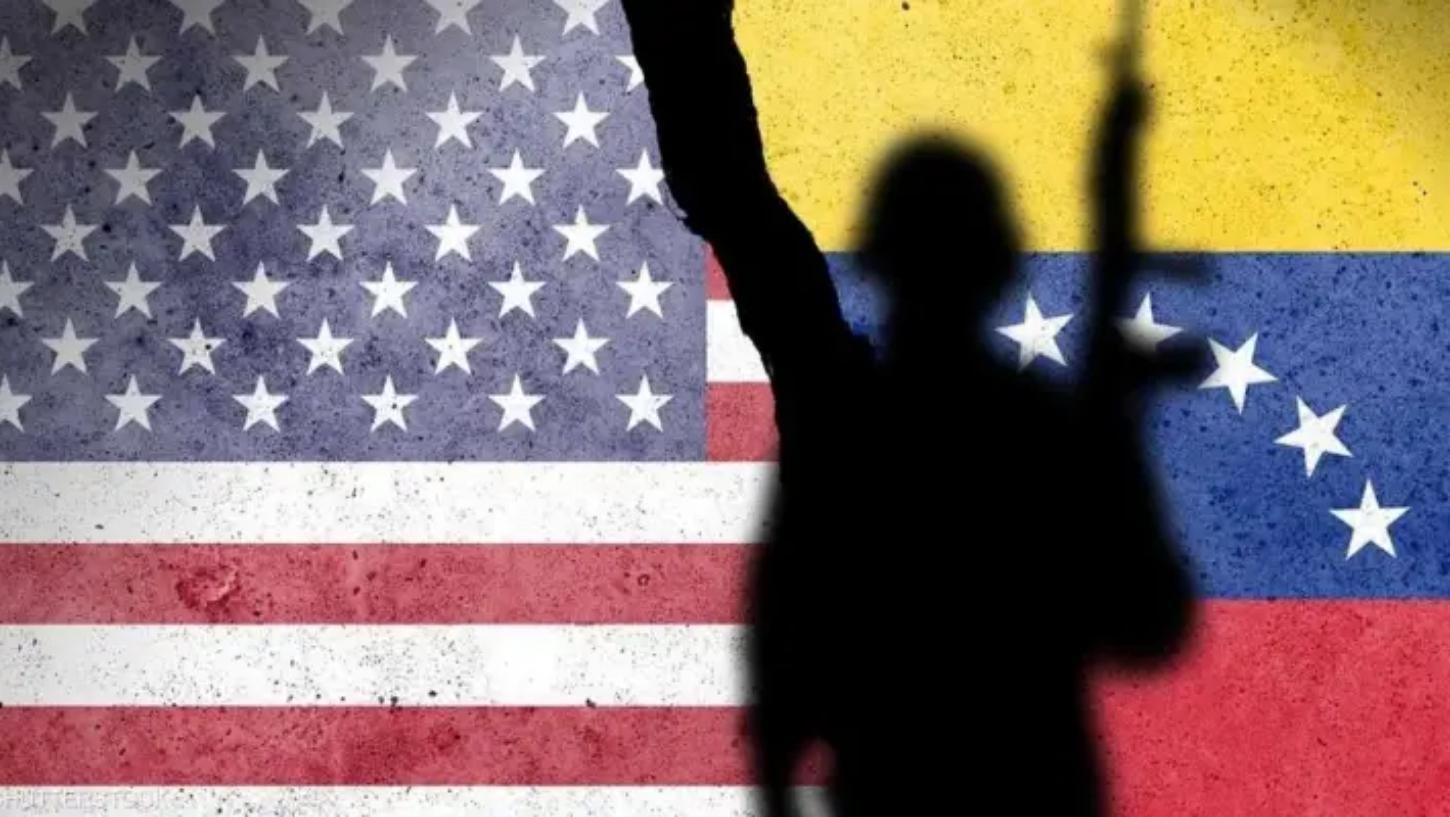
The unfolding crisis in Venezuela has once again laid bare the profound political, ideological, and diplomatic rifts within Latin America — a region historically shaped by debates over sovereignty, foreign intervention, and national self-determination. What began as a prolonged humanitarian and political crisis in Caracas has exploded into an international dilemma following a dramatic U.S. operation that captured former Venezuelan President Nicolás Maduro and brought him to the United States to face criminal charges. The aftermath has seen Latin American governments sharply divided: some applaud Washington’s actions as a blow against authoritarianism and criminal networks, while others condemn it as a dangerous violation of international law and regional autonomy.
An Unprecedented U.S. Operation
In early January 2026, the United States launched a highly controversial operation involving strikes on Venezuelan territory and the capture of Nicolás Maduro and his wife, Cilia Flores. The U.S. government, led by President Donald Trump, framed the action as a targeted law-enforcement operation aimed at apprehending fugitives indicted for narcotics trafficking and organized crime that allegedly threatened U.S. and regional security. Washington insists the mission was not a war or an occupation but a necessary step to protect democratic norms and dismantle deep criminal networks.
However, many governments and analysts see the action as something starkly different — an interventionist move that crosses historical red lines for Latin America and undermines long-standing norms of national sovereignty.
Supportive Voices: Right-Leaning and Security-Focused States
A bloc of Latin American leaders — particularly those with more conservative or security-focused agendas — responded positively to the U.S. operation:
-
Argentina’s President Javier Milei publicly supported the capture, framing it as a blow against tyranny, narco-trafficking, and authoritarian rule. His rhetoric positioned the move as a necessary reset for law and order in Venezuela and beyond.
-
El Salvador and Paraguay also signaled approval, with leaders celebrating Maduro’s removal and envisioning a future free from narco-Chavismo.
-
Ecuador’s President Daniel Noboa underscored the need for reclaiming democratic institutions and combating organized crime, aligning his country with Washington’s narrative.
-
Guyana echoed support for democratic norms, welcoming actions that reaffirmed commitments to freedom and regional security.
Supporters of the U.S. action argue that decades of sanctions, diplomatic pressure, and humanitarian efforts failed to meaningfully improve the Venezuelan crisis. They hold that a dramatic step was necessary to break entrenched impunity, combat transnational crime, and set the stage for a future democratic process. For these leaders, the geopolitical stakes — including the influence of external powers like Russia, China, and Iran — further justify a robust response.
Condemnation and Calls for Sovereignty
On the opposite end of the spectrum, several Latin American leaders sharply criticized the U.S. operation as a blatant violation of sovereignty and international law:
-
Brazil’s President Luiz Inácio Lula da Silva condemned the strikes and capture as an unacceptable affront to Venezuela’s sovereignty, emphasizing that external military incursions undermine regional stability.
-
Mexico’s government called the U.S. operation a danger to regional peace and sovereignty, warning that such actions risk future instability across Latin America.
-
Colombia’s President Gustavo Petro, whose country shares a long border with Venezuela, labeled the operation “an assault on the sovereignty” of Latin America — and has pushed for diplomatic forums like the United Nations to address the situation.
-
Cuba and leftist allies denounced the U.S. move as “state terrorism,” warning that such forceful interventions set a dangerous precedent.
These critics argue that external military involvement — regardless of intentions — risks destabilizing a hemisphere still haunted by the legacy of Cold War interventions and undermines the principle that countries should determine their own political futures. In their view, the U.S. action not only violates international law but sets a dangerous precedent with far-reaching repercussions.
Multilateral Reactions and the UN Security Council Rift
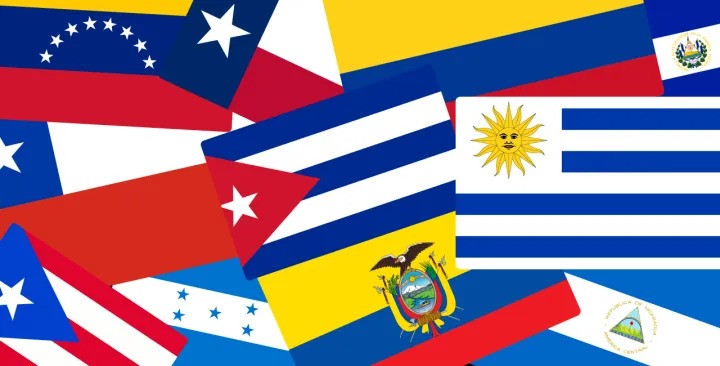
The divide among Latin American states has played out most starkly at the United Nations Security Council, where an emergency meeting was convened to address the Venezuela situation. At the session, Colombia and several other countries warned that unilateral military actions threaten the UN Charter’s core principles and endanger regional peace. Meanwhile, Argentina and Paraguay defended the U.S. move as necessary and justified.
International voices beyond Latin America — including Russia, China, and members of the Global South — have also weighed in, largely condemning the U.S. operation as a breach of sovereignty and demanding Maduro’s release. This collective response highlights not just a regional divide but a broader geopolitical contest over norms of intervention, international law, and global order.
Cautious and Nuanced Positions
Some governments have adopted more balanced positions, emphasizing democratic transition and respect for international law without explicitly supporting or condemning the U.S. action:
-
Bolivia and Panama reaffirmed commitment to democratic processes and expressed concern about escalation while stopping short of outright condemnation.
-
Peru called for a swift resolution that respects human rights, democratic will, and the rule of law.
-
Canada and other Western allies suggested support for democracy in Venezuela but reiterated the need for peaceful resolution and adherence to legal norms.
These cautious responses reflect the complexity of the crisis across latin America: support for democratic change in Venezuela doesn’t automatically translate into approval of military intervention, especially by an external power. Many countries are wrestling with how to reconcile humanitarian concerns with respect for sovereignty and international rules.
Underlying Causes of the Split
1. Ideological Polarization
Latin America remains ideologically fractured. Governments with leftist roots or histories of critiquing U.S. foreign policy often interpret the crisis as part of long-standing power imbalances and neo-imperialism. Conversely, right-leaning administrations, distrustful of populist socialist models, embrace decisive action against regimes they view as authoritarian. This ideological divide correlates closely with each country’s domestic politics and electoral dynamics.
2. Sovereignty vs. Humanitarian Action
There is a central tension in how countries interpret sovereignty. Critics view external interventions — even if framed as combating corruption or restoring democracy — as intolerable intrusions. Supporters counter that Venezuelans have endured years of repression and economic collapse without meaningful improvement, and external pressure could help break political deadlocks.
These conflicting interpretations make a unified regional response extremely difficult.
3. Regional Security and Refugees
Neighboring states like Colombia and Brazil are directly affected by Venezuelan migration and instability. While they share humanitarian concerns, their policy prescriptions differ — some advocate for collaborative regional management, others emphasize diplomatic solutions without military involvement.
International Institutions and Legal Debates
The split over Venezuela has spilled into global diplomatic arenas. At the United Nations Security Council, Latin American representatives have clashed over the legality and legitimacy of the U.S. action, with calls for adherence to international law and criticism of unilateral force.
UN Secretary-General António Guterres — while not directly taking sides — expressed concern that international legal norms have been challenged by the military operation, emphasizing the importance of peaceful dispute resolution.
Institutions like the OAS have called for dialogue grounded in constitutional processes and respect for the Venezuelan people’s will, highlighting that durable solutions require internal consensus and regional cooperation rather than force.
Regional Identity and the Path Ahead
The Venezuela crisis has not only exposed divisions but potentially widened them. The debate encapsulates broader regional anxieties about foreign intervention, ideological competition, and the future of democratic governance. As Latin American nations weigh sovereignty against intervention, security against humanitarian urgency, and regional unity against national interests, crafting a cohesive response to crises like Venezuela becomes ever more elusive.
This split over Venezuela’s fate is both a symptom and a driver of Latin America’s shifting geopolitical identity — one that balances age-old fears of external domination with contemporary demands for justice, democratic reform, and human dignity. The path forward will likely require sustained diplomatic engagement, multilateral mechanisms, and a willingness to broker solutions that respect both sovereignty and the fundamental rights of Venezuelans.