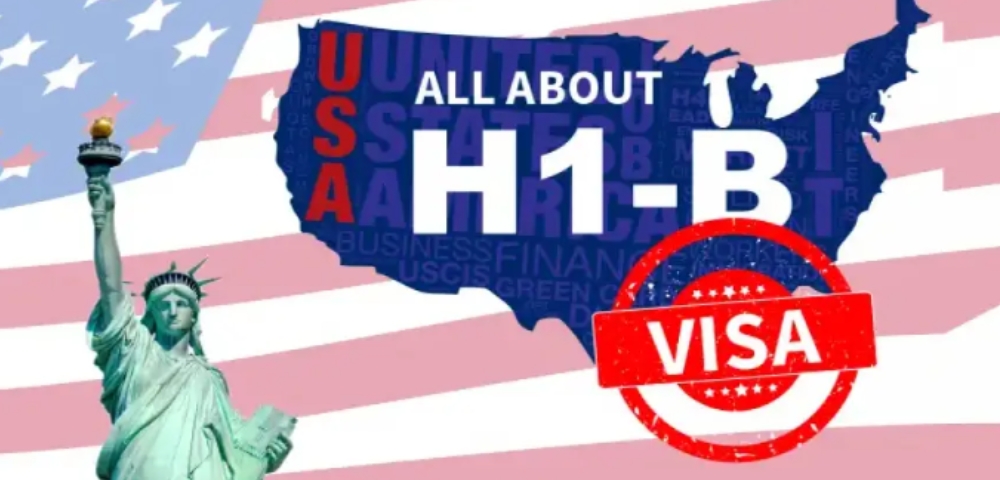
The U.S. government is implementing significant changes to its H-1B work visa selection system — reforms that could reshape opportunities for skilled Pakistani professionals aiming to build careers in the United States. This shift moves the process away from luck-based selection toward a system that prioritizes high-skill talent and better wages, offering a new era for global workers seeking employment in the world’s largest economy.
In this post, we’ll break down the recent updates to the H-1B visa system, explain how they impact Pakistani applicants, explore the broader context of U.S. immigration policy, and provide practical insights on how aspiring applicants can maximize their chances.
What Is the H-1B Visa and Why It Matters
The H-1B visa is one of the most sought-after non-immigrant work visas in the United States, primarily used to employ foreign professionals in specialty occupations. These jobs typically require highly specialized knowledge and at least a bachelor’s degree (or equivalent) in fields such as information technology, engineering, science, healthcare, finance, and more.
For many Pakistani professionals — from software engineers to data scientists, doctors to research scientists — the H-1B visa represents a gateway to global career opportunities, better salaries, and international experience. Each year, thousands of Pakistani applicants submit petitions through U.S. employers. However, demand vastly exceeds supply, which has historically made the selection process competitive and largely unpredictable.
The Traditional H-1B Selection Process
Under the traditional system, U.S. Citizenship and Immigration Services (USCIS) uses a random lottery (lottery system) to select H-1B petitions for processing when more applications are received than available visas.
Since the annual cap on H-1B visas is limited — usually around **85,000 including 20,000 reserved for master’s degree holders in the U.S. — there are often far more petitions filed than visas available. In some years, applications have exceeded the cap by three to four times, making it a high-stress gamble for applicants and employers alike.
This system, while impartial in theory, has been criticized for ignoring factors such as skill level, professional experience, and salary offered by the sponsoring employer — meaning equally qualified applicants could be randomly left out of the queue.
Major Changes to the Selection System
The U.S. Department of Homeland Security and USCIS have moved to reform the H-1B visa selection process by making it based on merit — specifically prioritizing applications tied to higher salaries and more specialized roles.
Here’s what’s changing:
✅ Skill and Wage-Based Selection
Under the new system, the selection of H-1B petitions will no longer be purely random. Instead, USCIS will award entries based on two key “weights”:
-
Salary Level
Higher salary offers will receive priority. Jobs that pay significantly above the prevailing wage (the average wage for that occupation in the U.S.) will benefit from enhanced selection probability. -
Skill Level / Job Specialty
Positions requiring more advanced expertise or niche qualifications may receive greater weight in the process.
Together, these changes are designed to encourage employers to offer competitive compensation and seek top global talent — opening the door wider for highly skilled Pakistani professionals.
Why These Changes Matter for Pakistani Applicants
1. Reduced Dependence on the Lottery
For years, the lottery system meant even highly qualified candidates could be left out purely due to chance. With the new system, competitive pay and specialized roles improve selection odds — meaning merit matters more than luck.
2. Better Protection from Exploitation
By placing an emphasis on higher wages, the new system discourages employers from underpaying foreign workers, a practice that sometimes led to exploitation or displacement of U.S. workers.
3. Strategic Career Planning
Applicants with advanced degrees or niche skills — especially in IT, engineering, artificial intelligence, cybersecurity, and healthcare — may have better chances of selection under the new framework.
What This Means for Pakistani Employers and Workers
For Employers
U.S. companies planning to sponsor Pakistani professionals may need to:
-
Offer competitive salaries that reflect market rates.
-
Demonstrate specialty needs clearly in job descriptions.
-
Plan earlier and more strategically for visa petitions.
These incentives align employers with the goal of hiring top talent and rewarding expertise, rather than simply filling roles at lower costs.
For Pakistani Professionals
Aspiring H-1B workers can benefit by:
-
Improving qualifications: Advanced degrees, specialized certifications, and professional achievements can enhance appeal.
-
Negotiating salaries: Since higher wages influence selection, advocating for competitive compensation is essential.
-
Targeting niche sectors: Fields like cloud computing, data science, AI/ML, medical research, and advanced engineering are attractive to U.S. employers.
In essence, preparation becomes just as important as eligibility.
Implementation Timeline
According to U.S. immigration officials, the new H-1B selection system will be fully implemented starting with the 2027 H-1B registration year, meaning employers and applicants will experience the new process beginning with petitions submitted in early 2026 for the 2027 fiscal year.
This gives employers and workers time to:
-
Prepare stronger and competitive applications.
-
Understand wage tiering and how salary influences selection.
-
Adjust recruitment strategies.
The real test of the new system will begin in February 2026, when the first registrations under the revised policy open.
The Broader Implications for Pakistan-U.S. Relations
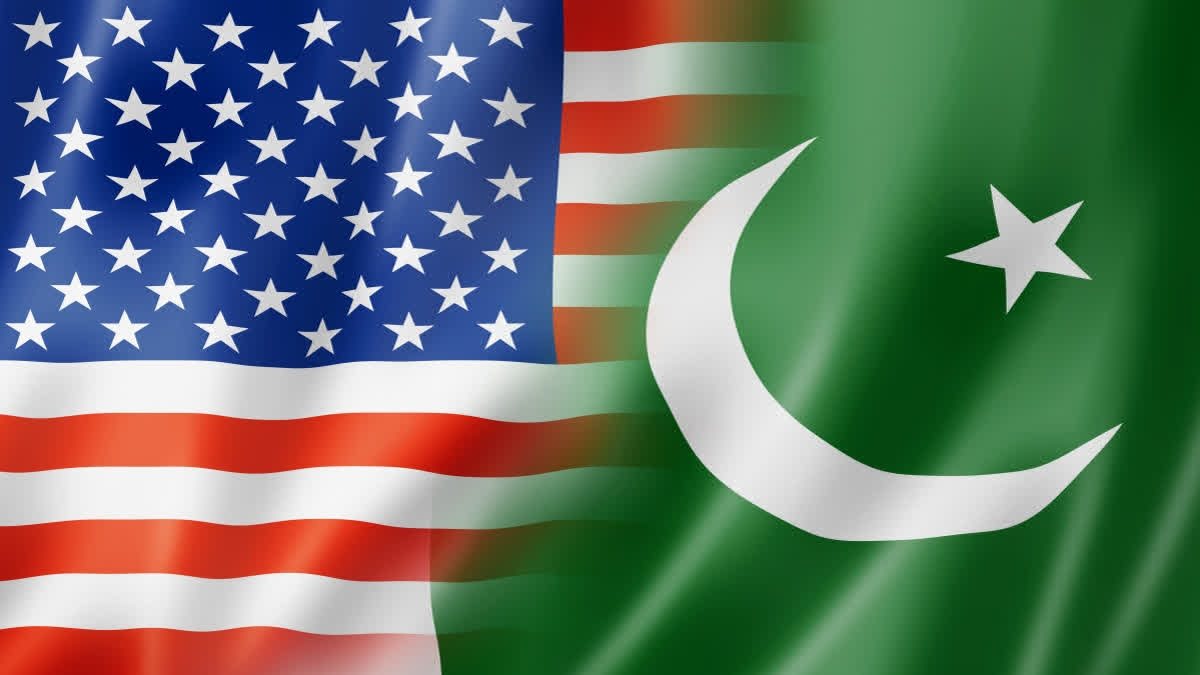
The changes in the H-1B selection system reflect broader U.S. priorities in immigration — balancing economic needs with protection of domestic wages and fairness in hiring practices.
For countries like Pakistan, where many talented professionals seek opportunities abroad, these reforms may deepen engagement with international labor markets. They could also lead to:
-
Increased mobility: More Pakistani professionals accessing U.S. jobs.
-
Enhanced bilateral ties: Through workforce and academic exchanges.
-
Stronger diaspora presence: Skilled workers contributing to both U.S. innovation and remittances back home.
These shifts underscore how immigration policy intersects with global labor trends and economic relations.
Practical Tips for Pakistani H-1B Applicants
If you’re preparing for an H-1B visa application under the new system, consider the following:
📌 1. Research Market Wages
Understand typical salary ranges in the U.S. for your occupation and years of experience. Employers who offer competitive compensation increase selection odds.
📌 2. Strengthen Your Resume
Highlight specialized skills, advanced degrees, professional certifications, and project experience relevant to your field.
📌 3. Partner With Strategic Employers
Target U.S. employers who value high performance and offer roles aligned with your expertise.
📌 4. Prepare Supporting Documentation
Ensure academic transcripts, recommendation letters, and professional certifications are ready — especially those that demonstrate specialization.
📌 5. Consult Immigration Experts
Because immigration policies can be complex and nuanced, consider guidance from lawyers and accredited agents familiar with H-1B trends and requirements.
Way Forward
The H-1B work visa remains a crucial pathway for global talent — and the U.S. government’s recent changes signal a shift toward prioritizing skill, specialization, and competitive compensation over random selection.
For Pakistani professionals, these reforms bring hope for a fairer and more outcome-oriented system. Individuals with advanced expertise, marketable skills, and the ability to secure competitive job offers stand to benefit significantly. The future H-1B landscape isn’t just about luck anymore — it’s about merit.
Start preparing early, plan strategically, and align your career goals with the new selection criteria. This landmark shift could redefine opportunities for skilled Pakistani workers seeking to contribute to the global economy from the United States.