The 35th National Games have brought competitive energy, color, and excitement back to Karachi after nearly 18 years. Pakistan’s largest multi-sport event, originally scheduled for May this year, finally kicked off in December under the management of the Sindh Olympic Association—after surviving delays, controversies, and bureaucratic hurdles. Despite these challenges, the 35th National Games have now entered a stable rhythm, showcasing the country’s best athletes and the true spirit of sportsmanship.
A Grand Opening in Karachi
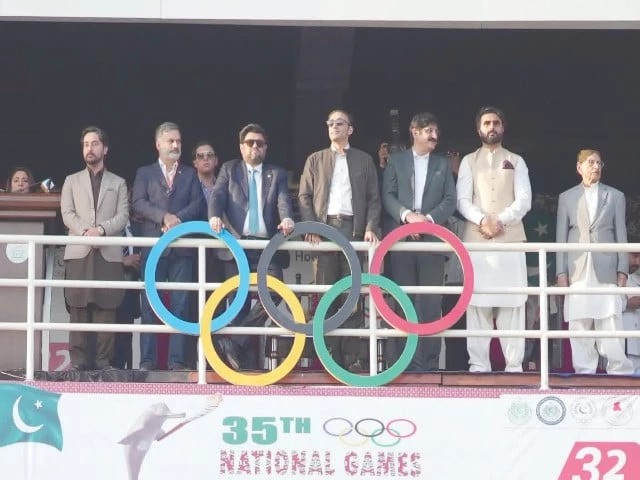
The National Bank Stadium witnessed a vibrant and well-organized opening ceremony of the 35th National Games. While President Asif Ali Zardari was initially scheduled to inaugurate the Games, last-minute changes led to PPP Chairman Bilawal Bhutto Zardari gracing the event as chief guest. His presence ensured a powerful and energetic inauguration without diminishing the importance of the occasion.
The enthusiasm in Karachi is undeniable. Athletes, officials, and spectators have brought a refreshing sporting atmosphere to the city, highlighting why the 35th National Games remain Pakistan’s most prestigious domestic sporting event.
Pakistan Army Leads the Medal Table
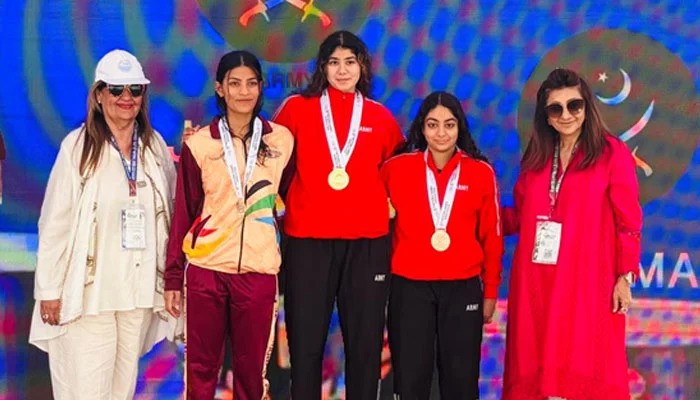
As of the publication of this column, Pakistan Army continues to dominate the medal table—an expected outcome given their historical strength and discipline in multi-sport competitions. Pakistan Navy holds a solid second place, continuing their tradition of producing well-trained athletes across several disciplines.
Host Sindh has also secured its first gold medal, a morale-boosting achievement for the provincial contingent. Punjab, which entered the Games with one of the heaviest and most resource-rich squads, has so far managed to pick up a handful of silver and bronze medals. However, expectations remain higher for Punjab, considering the size of their contingent and the province’s sports infrastructure.
Punjab’s Leadership Missing in Action
In a surprising and somewhat disappointing development, Punjab’s provincial Minister for Sports—typically vocal about his passion for promoting athletics—did not accompany the team to the National Games. Citing “political commitments,” he sent off the contingent but has yet to arrive in Karachi to encourage the athletes. Such absences speak volumes about the gap between rhetoric and commitment when it comes to practical support for sports.
A Costly Event with Lessons for the Future
The 35th National Games have been among the most expensive editions in recent memory. In May, when the Games were first scheduled, funds had already been released, preparations made, and participating provinces and departments had all incurred significant costs. Yet, citing “extreme weather conditions”—a claim many found questionable—the event was abruptly postponed, allegedly resulting in a loss of over 1.5 to 2 billion rupees.
Fortunately, with the new December dates, the event has finally taken place, restoring credibility to an extent. However, these financial lapses highlight the urgent need for accountability, transparency, and responsible planning in national sports administration.
Sindh’s Hosting: Impressive but Not Perfect
Sindh Olympic Association deserves appreciation for its hospitality and overall arrangements. Accommodation, venues, logistics, and security have been commendable. Yet, some shortcomings were noticeable.
One such example is the outdated manual system used for preparing accreditation cards. Despite the massive budgets allegedly spent, organizers failed to arrange even a basic digital printer. Instead, accreditation cards for players, officials, and media personnel were handwritten—an approach that feels out of place in today’s digital and security-conscious sporting environment.
This criticism is meant as constructive feedback. Future Games must adopt fully computerized accreditation systems, as they are standard worldwide and enhance both security and professionalism.
Pakistan Sports Board’s Disruptive Attempts
One of the most troubling episodes of 35th National Games unfolded just days before the Games began. The Pakistan Sports Board (PSB) suddenly objected to the inclusion of several sports whose national associations it had “self-imposed suspensions” upon. This last-minute intervention was seen as an unnecessary attempt to disrupt the 35th National Games. This has resulted in frequent clashes with sports federations, bringing embarrassment rather than progress.
The Board has sent countless notices to the Pakistan Hockey Federation (PHF), none of which have reportedly produced substantial results. Even the appointment of a non-sports person as Director General of PSB has raised eyebrows. Known more for personal travel columns than sports development initiatives, the DG has been criticized for prioritizing foreign trips over national responsibilities.
During the Islamic Solidarity Games in Riyadh, he allegedly visited not for athlete support but for personal religious obligations. More recently, he traveled to China while the National Games were underway—again a disappointing signal about where priorities lie.
This pattern raises serious questions: Are these foreign visits contributing to sports development, or are they simply taxpayer-funded tours? The answer lies with those who appointed him.
Pakistan Olympic Association: Favoritism and Power Games
On the other side, the Pakistan Olympic Association (POA)—responsible for organizing the National Games—has also been criticized. Several important sports bodies, including the Pakistan Athletics Federation, were reportedly sidelined or ignored entirely.
The POA Secretary, known for backing parallel federations, is often accused of using major events like the National Games to weaken his rivals and reinforce his own influence. Such internal politics not only damage the credibility of the Games but also harm athletes who deserve better representation and support.
Despite Challenges, the 35th National Games March On
Amid all controversies, bureaucratic hurdles, and administrative shortcomings, one fact remains undeniable: the 35th National Games are progressing successfully. Athletes are giving their best, crowds are engaged, and Karachi is finally enjoying the spirit of national sports unity. Karachi has proven once again that it can successfully host large-scale sporting spectacles, while the athletes have reminded the nation that dedication and discipline remain at the heart of Pakistan’s sporting spirit.
It is a reminder that Pakistan’s sports ecosystem holds tremendous potential—if only institutions prioritize athletes over personal egos and politics. If nurtured with sincerity and vision, the 35th National Games can continue to inspire future generations and serve as a powerful symbol of pride, resilience, and progress for the entire country.
Mr. Iqbal Harper serves as President of the Pakistan Sports Journalists Federation.